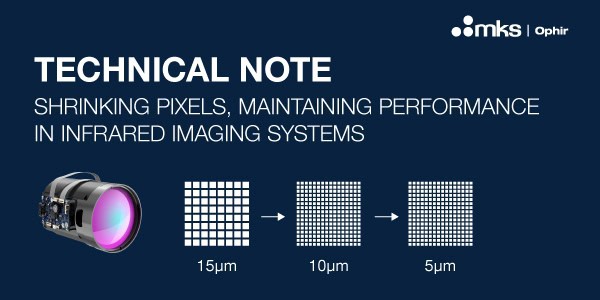
As unmanned platforms demand lighter, more efficient payloads, MKS Ophir is advancing infrared optics for next-generation MWIR and LWIR detectors with smaller pixel pitch. Read more >>
These detectors, now reaching 5 µm, enable compact imaging systems with reduced power requirements, but they also require carefully engineered optics to preserve resolution and image fidelity under strict SWaP-C conditions.
Smaller focal plane arrays (FPAs) provide tangible benefits for unmanned systems. Reduced cooling power and shorter optical paths contribute to payloads that are easier to integrate, extending flight endurance for UAVs and improving portability for handheld devices. For long-range ISR and border surveillance applications, higher pixel counts deliver improved detection capability even in compact form factors. However, smaller detectors also introduce limitations, including reduced photon capture, lower signal-to-noise ratio, and greater susceptibility to alignment and environmental variation.
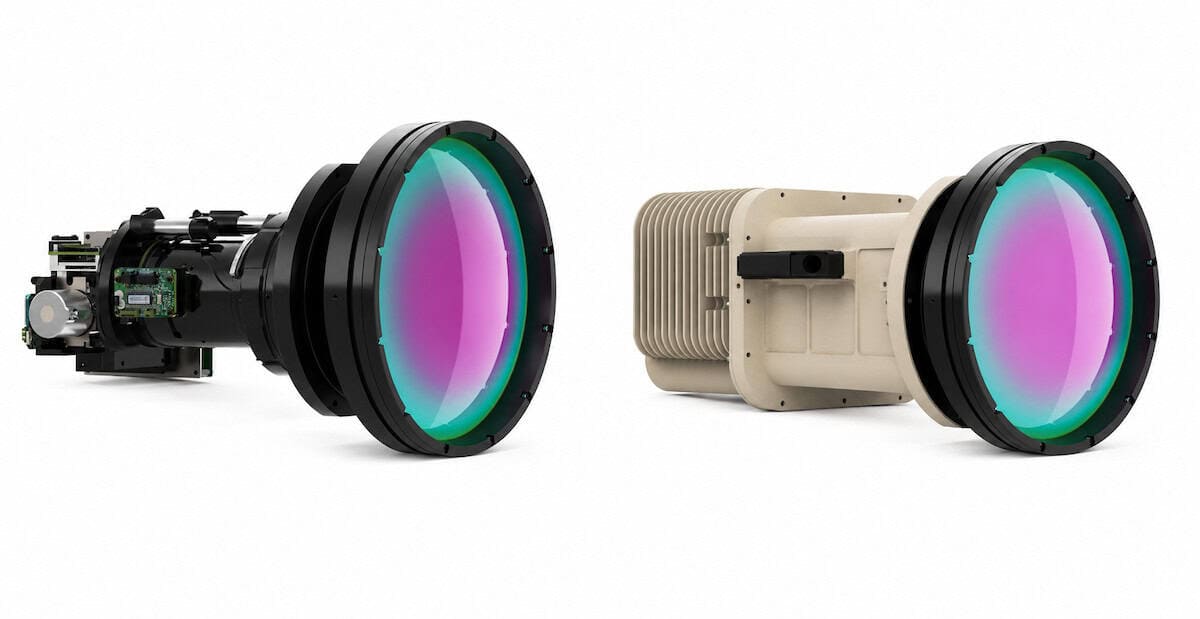
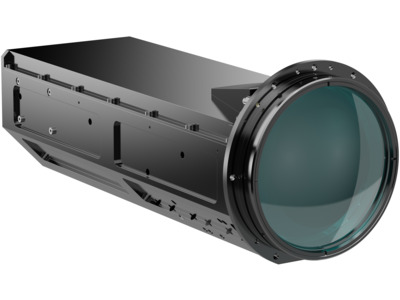
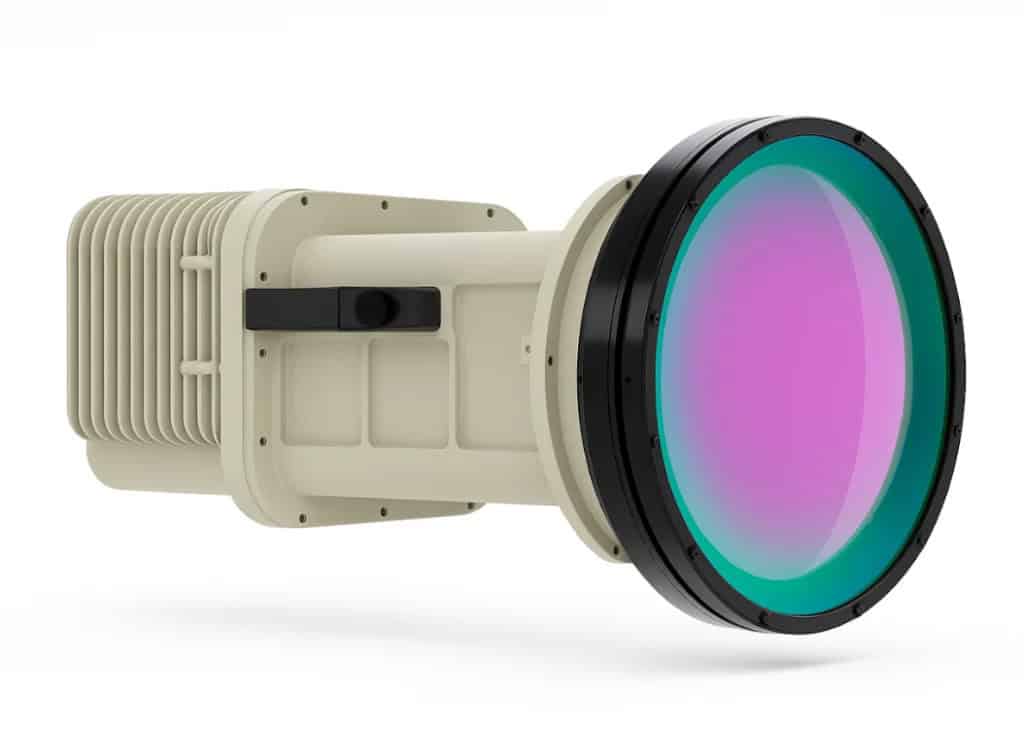
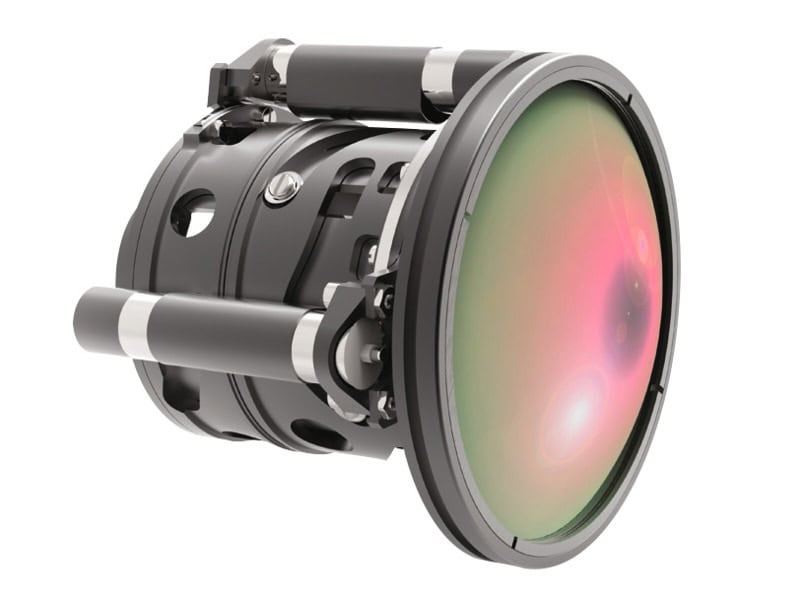
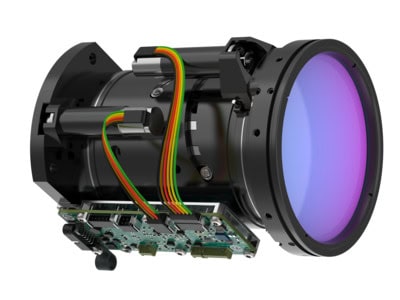
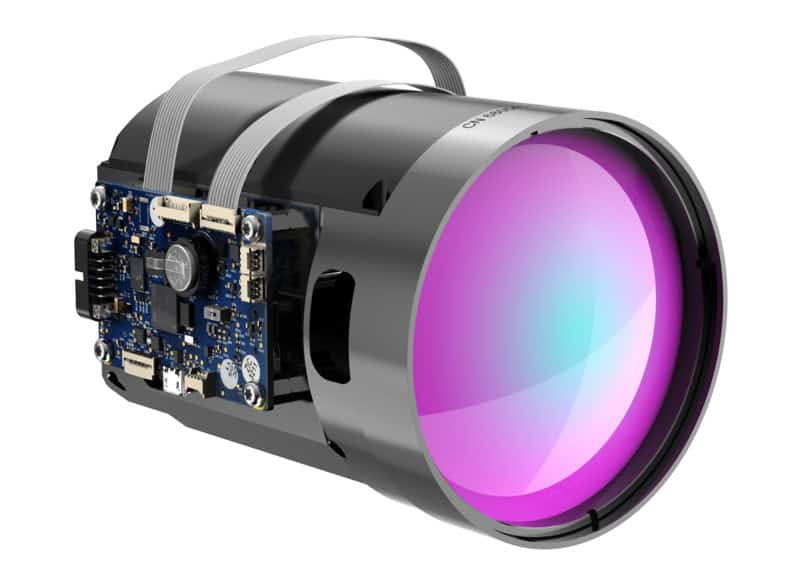
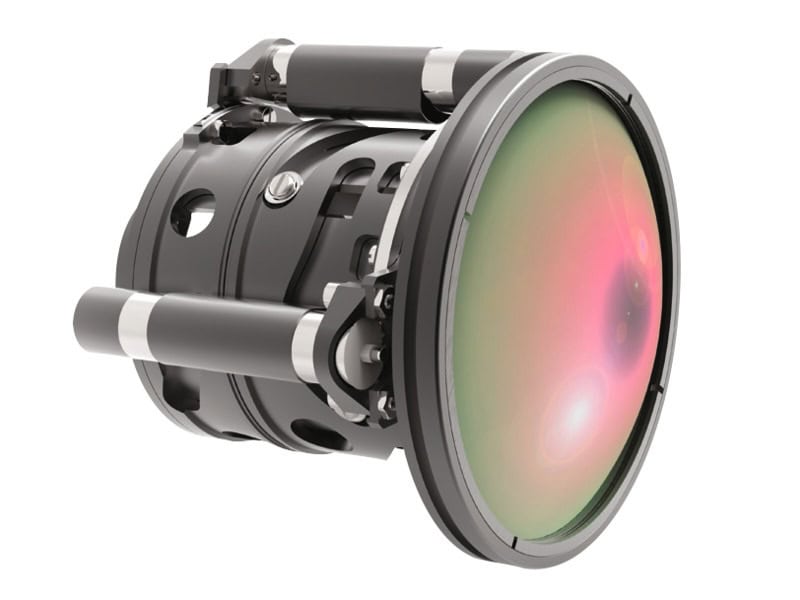
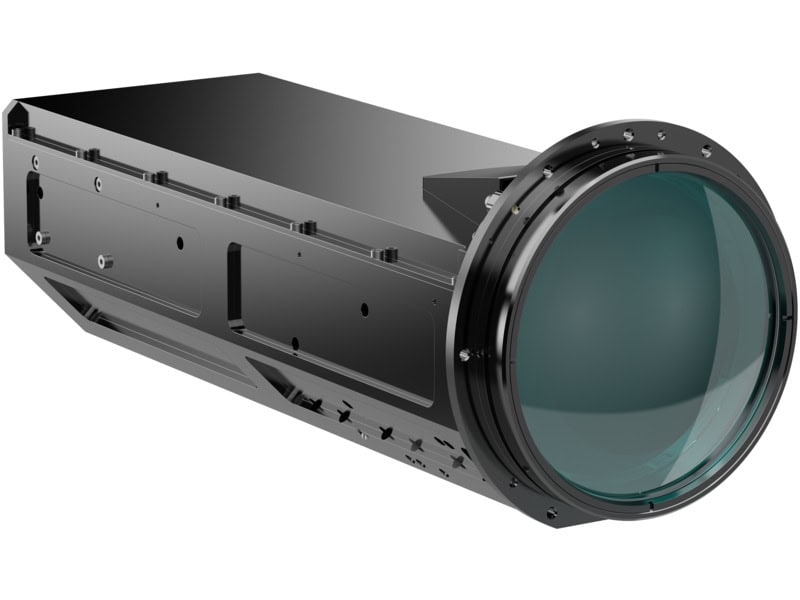
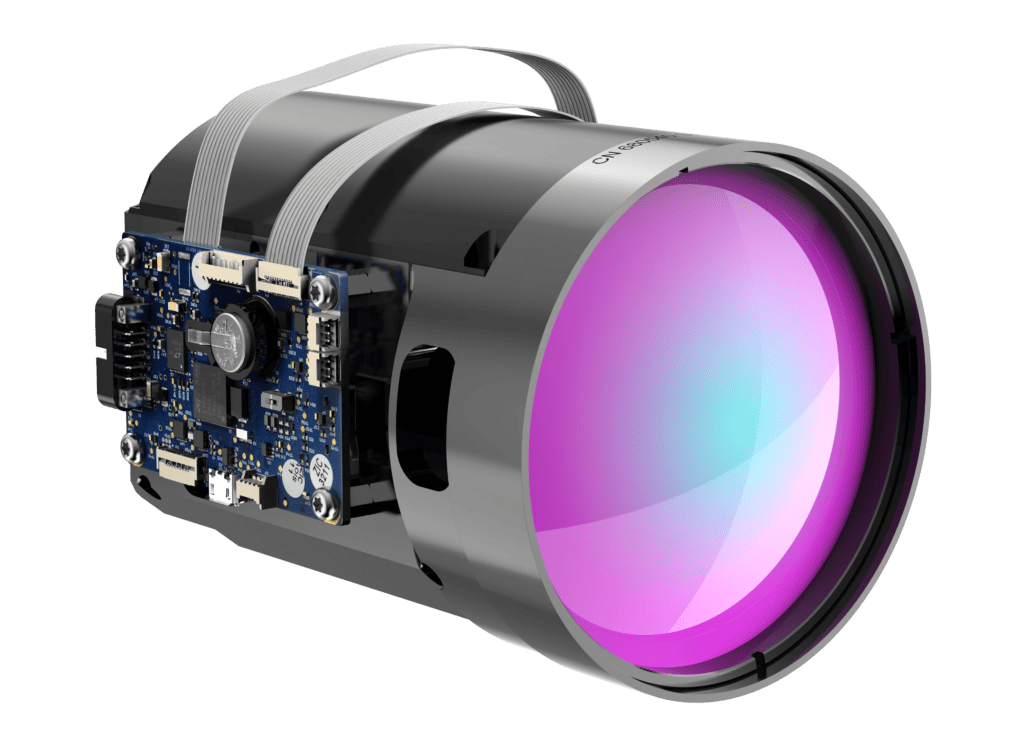
Through its Ophir Infrared Optics line, MKS delivers designs that address these technical requirements. The SupIR 10–135mm f/1.8 continuous zoom MWIR lens was developed specifically for cooled SXGA detectors with a 5 µm pixel pitch. With a 14x zoom ratio and high modulation transfer function (MTF) across its focal range, the lens provides long-range detection capability while maintaining a compact profile suitable for SWaP-C constrained platforms.
The adoption of smaller pixel infrared detectors is reshaping payload design for unmanned and mobile systems. To explore the technical considerations in detail and learn how MKS Ophir is enabling next-generation ISR performance, read the full article on MKS Ophir’s website.