Discover World-Leading Unmanned and Autonomous Technologies
Discover cutting-edge solutions from leading global suppliersAs the U.S. Department of Defense continues to advance its Modular Open Systems Approach (MOSA), companies like LCR Embedded Systems are aligning their technologies to support these evolving requirements.
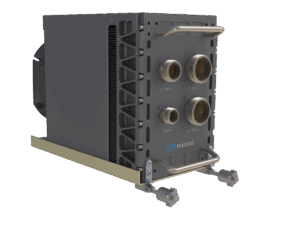 Through its work on modular chassis design, LCR is helping integrators implement open standards-based computing systems that are flexible, upgradeable, and easier to deploy, particularly in alignment with architectures like VPX and SOSA.
While the emphasis in MOSA often falls on electronic and software-level interoperability, the physical infrastructure that houses these systems must also keep pace. LCR’s modular approach reuses proven chassis elements, such as common sidewalls and configurable front panel components, across designs typically supporting between 5 and 10 plug-in cards. This design methodology reduces development time and non-recurring engineering costs while supporting thermal and mechanical requirements for rugged deployments.
The full article explores how LCR’s chassis design strategy supports the practical implementation of open standards, covering mechanical considerations, customization options, and compatibility with both OpenVPX and SOSA. Readers will gain insight into how modularity at the hardware level contributes to faster system realization and long-term adaptability in defense applications.