



Ground Control, a developer of Satellite Communications (SATCOM) and cellular-based IoT solutions, explores how Unmanned Aerial Vehicle (UAV) SATCOM architectures can benefit from combining IP and message-based transport. Read more >>
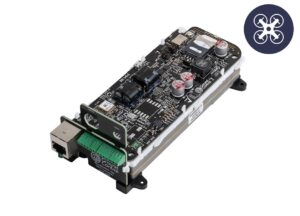
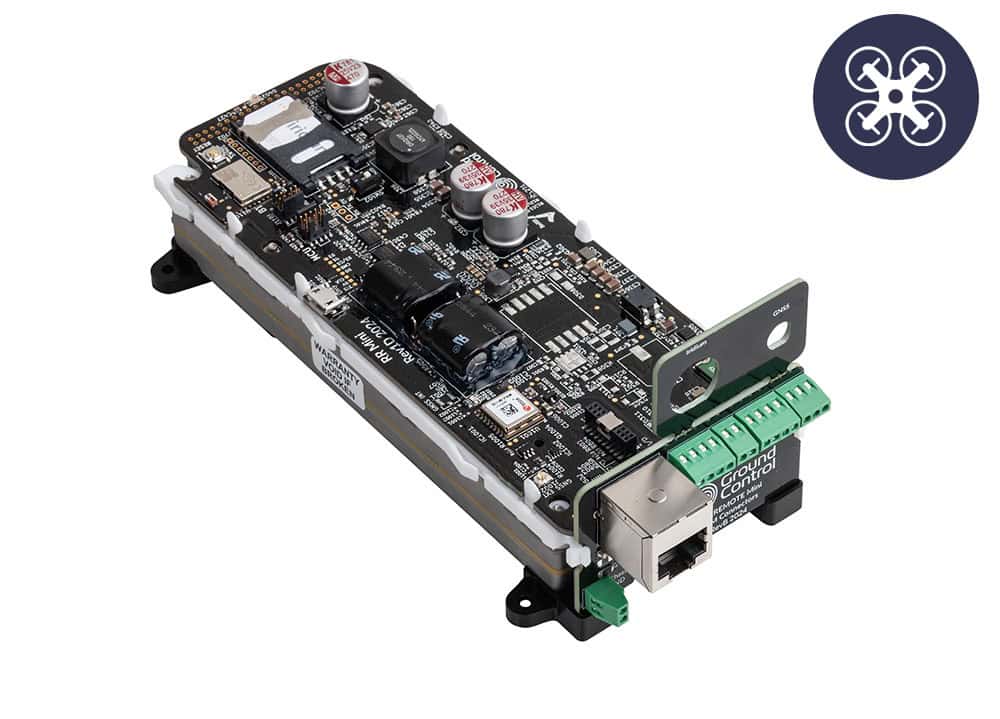
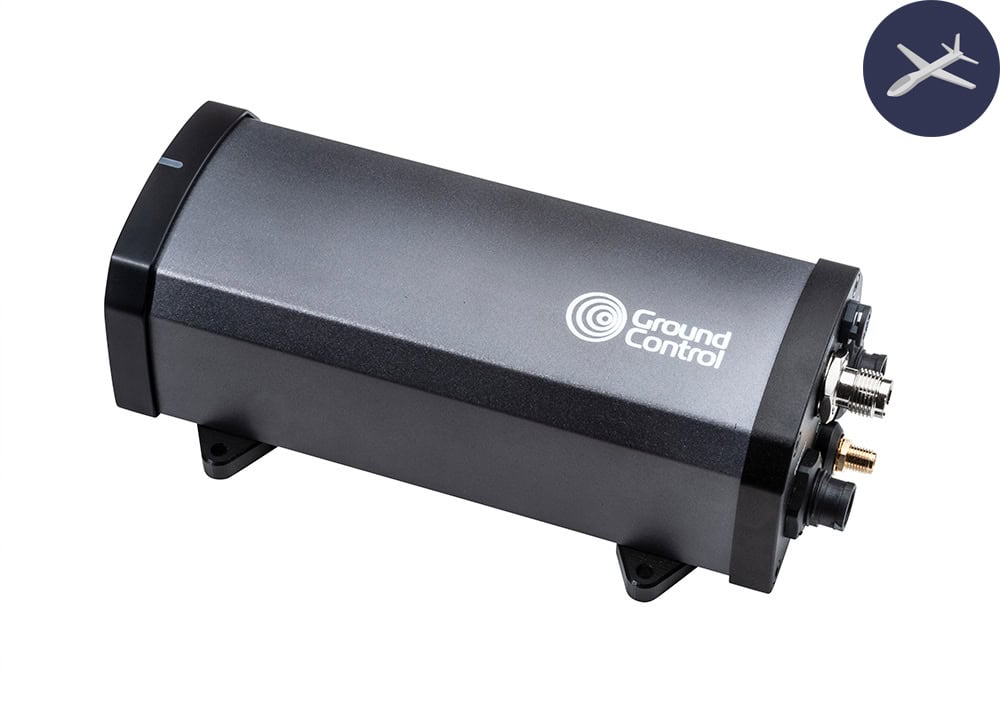
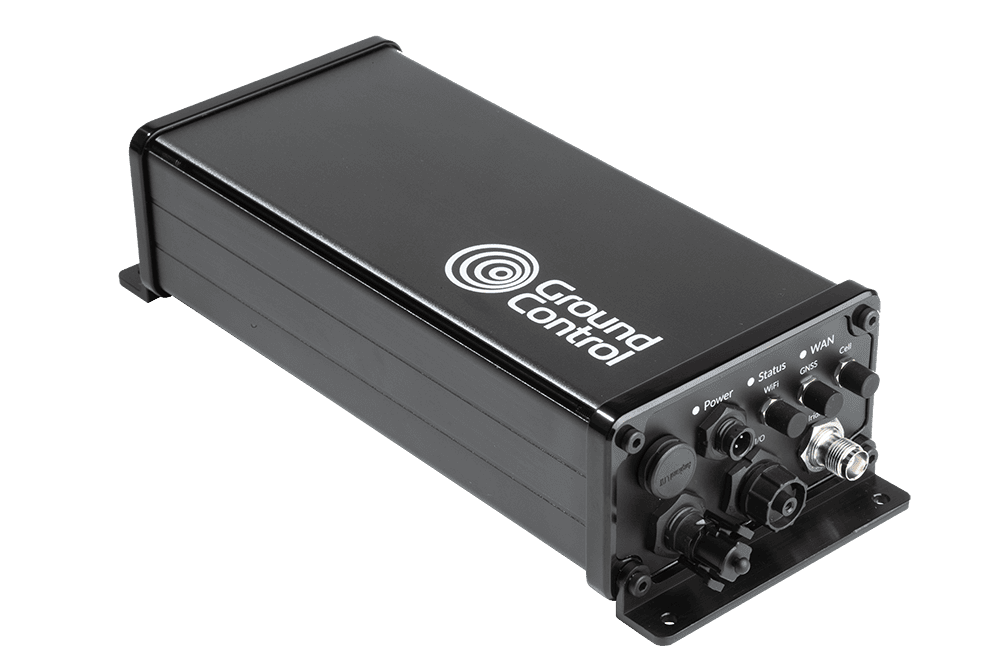
RockREMOTE UAV OEM.
UAV satellite communications are often approached from an IP-centric perspective because IP enables familiar, interactive workflows and integrates easily with cellular-based systems. However, many UAV architectures underuse an alternative pattern: message-based transport.
In real operations, satellite links regularly experience brief fades and dropouts caused by antenna orientation, airframe shadowing, maneuvering, and terrain. Designing for this reality is less about maintaining a perfect connection and more about selecting link behaviors that match the nature of the data being transmitted.
IP connections are well suited to interactive sessions such as operator-driven control and applications that depend on continuous back-and-forth communication. These sessions typically maintain state and may require reconnection when the link becomes intermittent.
Because brief signal fades are a normal part of UAV satcom, interactive IP workflows are often best supported by an additional delivery-oriented path for data that must still be delivered reliably.
Message-based transport takes a delivery-oriented approach for critical data. Instead of sustaining a live session, discrete messages are queued and transmitted when conditions allow, with retry behavior defined by the service and application logic.
This model aligns well with data types that must get through but can tolerate short delays, including command intents, telemetry snapshots, mission state updates, compliance events, and alerts. Messaging also fits naturally with existing onboard buffering and batching practices used in many UAV systems.
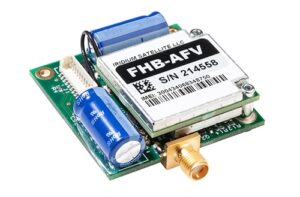
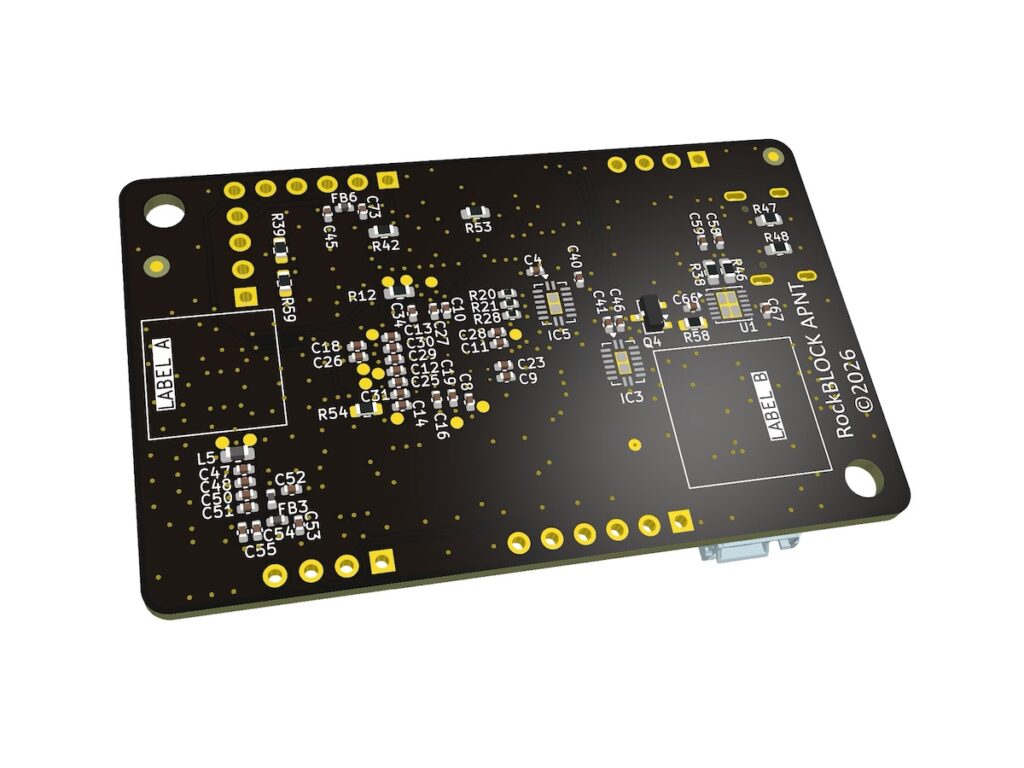
RockBLOCK 9603.
A practical architectural model is to treat connectivity as multiple lanes rather than a single pipe.
- Small decisive commands: Very small messages carrying control intents such as start, stop, or return-to-base, delivered via Iridium Short Burst Data (SBD) using RockBLOCK 9603 modules.
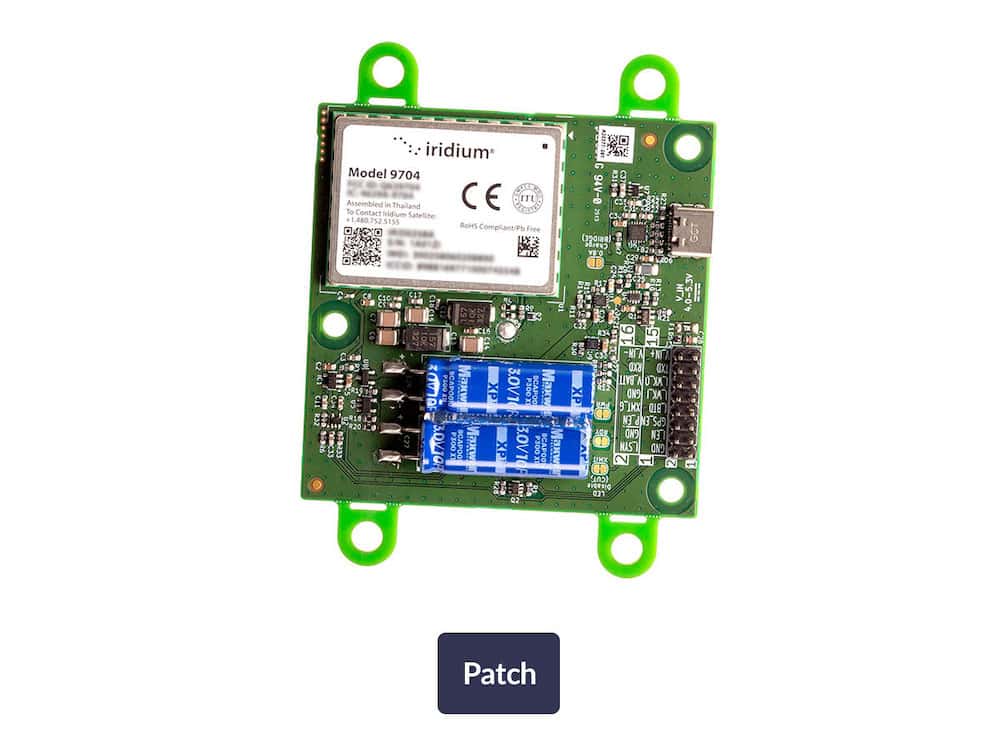
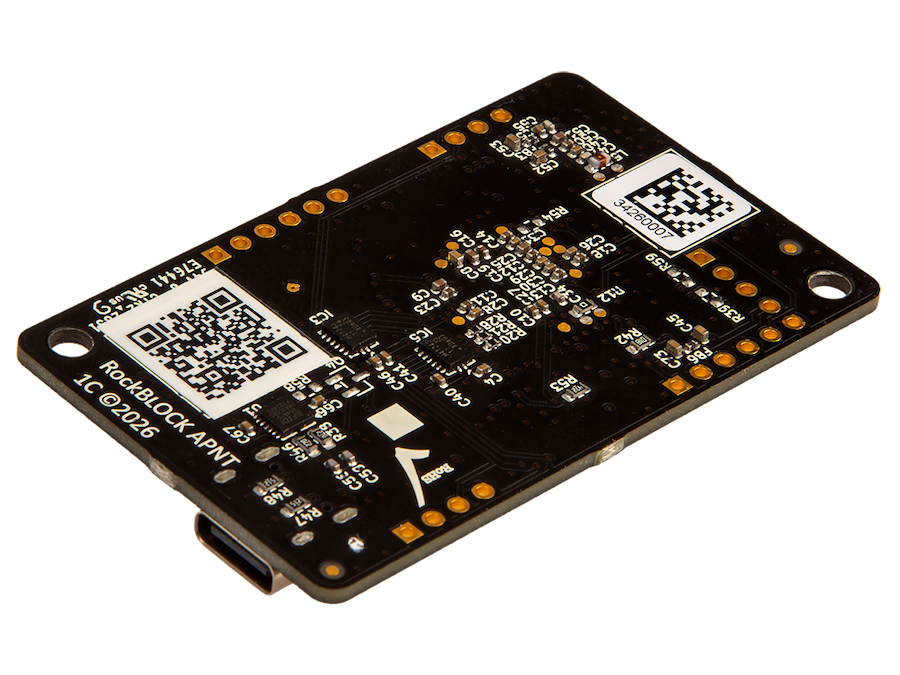
- Larger discrete packets: Structured telemetry snapshots, compressed logs, payload summaries, and similar data sent as queued messages using Iridium Messaging Transport (IMT) via RockBLOCK 9704.
- Interactive workflows: IP-based links used when real-time interaction is required, delivered using Iridium Certus 100 via RockREMOTE UAV OEM terminals.
These lanes often map to different terminal classes, with messaging modules typically offering lower Size, Weight, and Power (SWaP) compared to IP terminals designed for sustained sessions.
A useful design test is to consider what should happen during a short fade. For interactive data, temporary interruption may be acceptable. For delivery-oriented data, the system should queue, retry, and deliver once conditions improve.
The key architectural takeaway is to choose communication methods by data type: IP for interactivity, messaging for delivery-oriented updates, and hybrid designs when both behaviors are needed. This approach supports more robust UAV operations under real-world conditions.