
Ground Control is tackling one of the biggest challenges in drone operations, how to fly Beyond Visual Line of Sight (BVLOS) safely and reliably, even in areas without cellular coverage. Learn more > >
Their work focuses on ensuring uninterrupted connectivity for drones performing critical missions, from offshore wind farm inspections to delivering medical supplies to remote communities.
Drones are already saving lives, improving efficiency, and reducing emissions across industries, but their potential is limited without reliable long-range communication. Terrestrial networks such as LTE and 5G can be interrupted by coverage gaps, interference, or network failures, making them unreliable for extended BVLOS missions.
Satellite connectivity provides a global solution. Low Earth Orbit (LEO) satellites, including Iridium, Starlink, and OneWeb, offer low-latency links for real-time command and control, while Geostationary (GEO) satellites deliver stable, wide-area coverage. The choice depends on mission needs, hardware, and operating environment. LEO terminals are lightweight and power-efficient, while GEO systems suit long-duration, continuous operations.
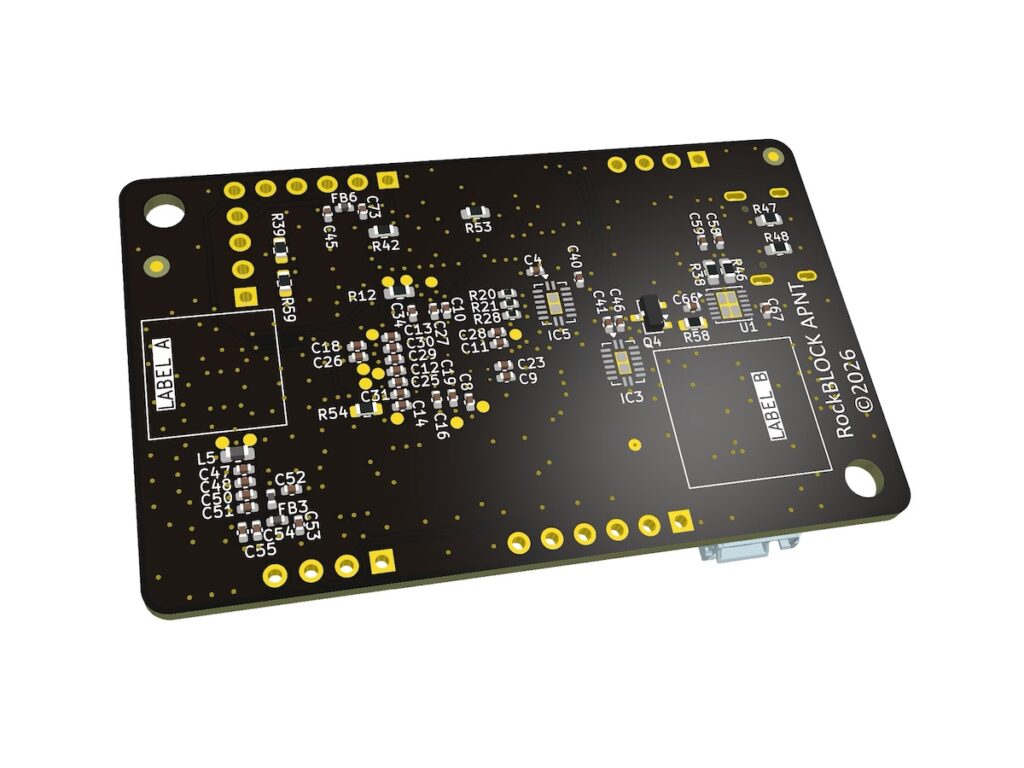
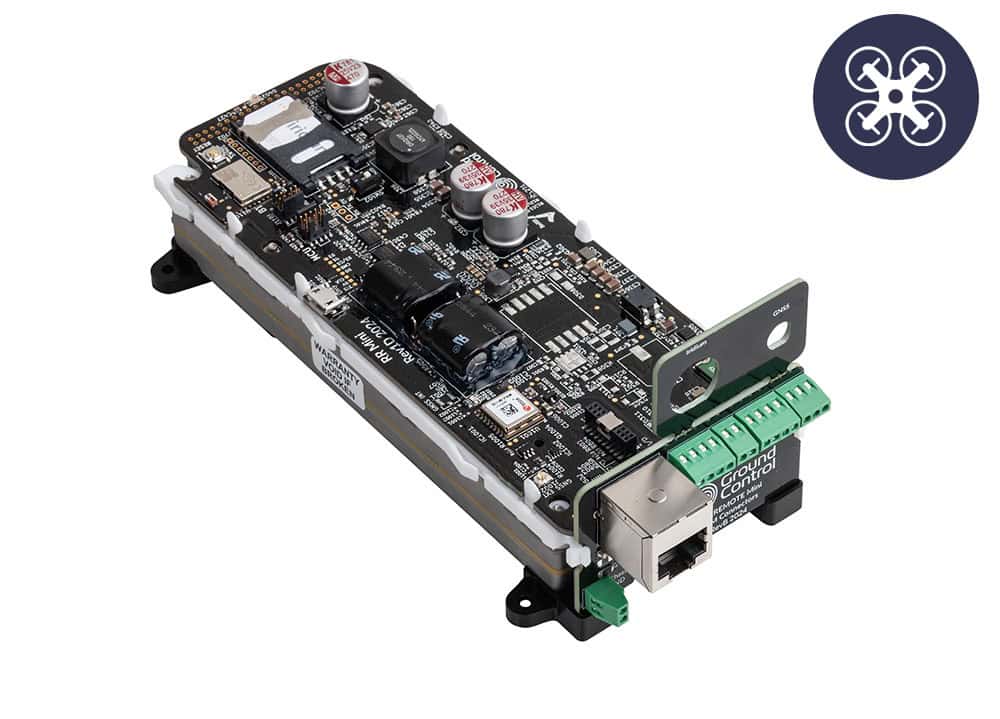
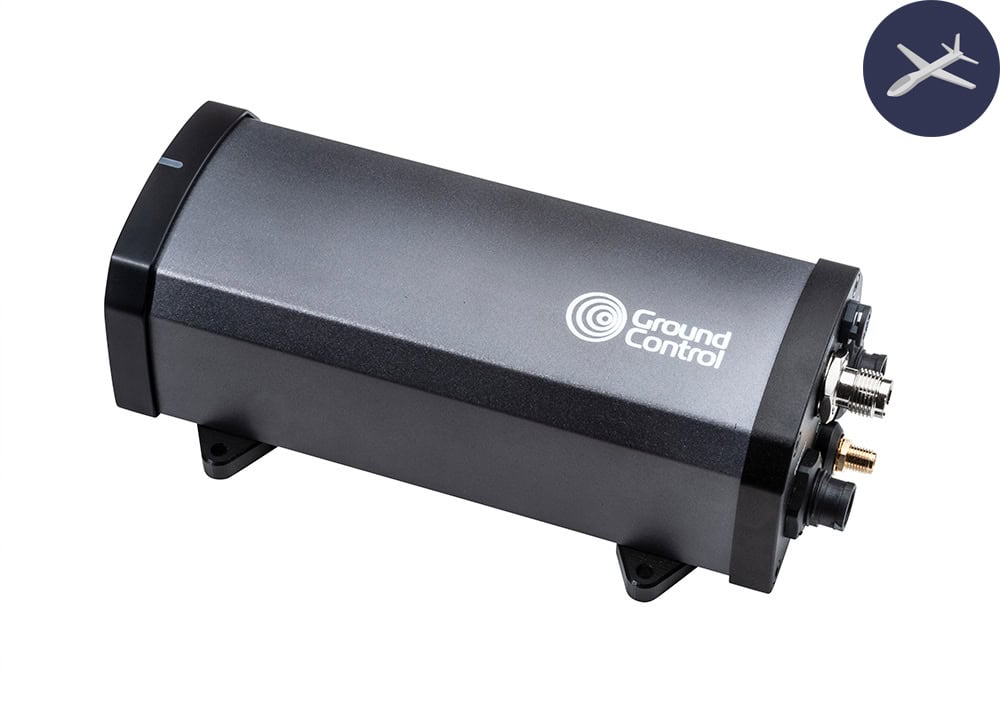
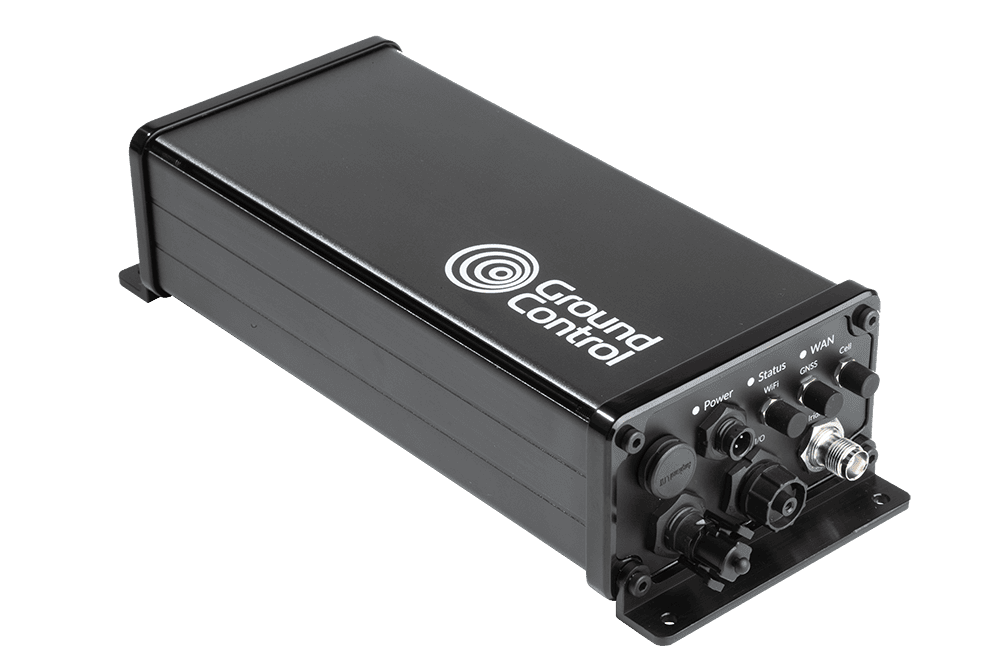
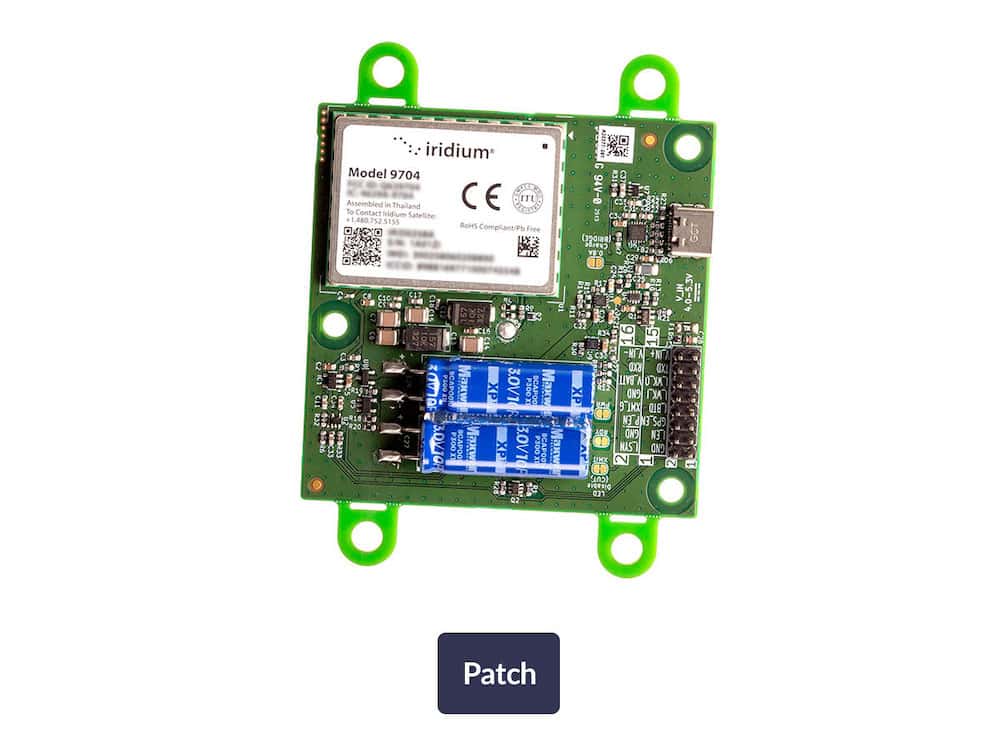
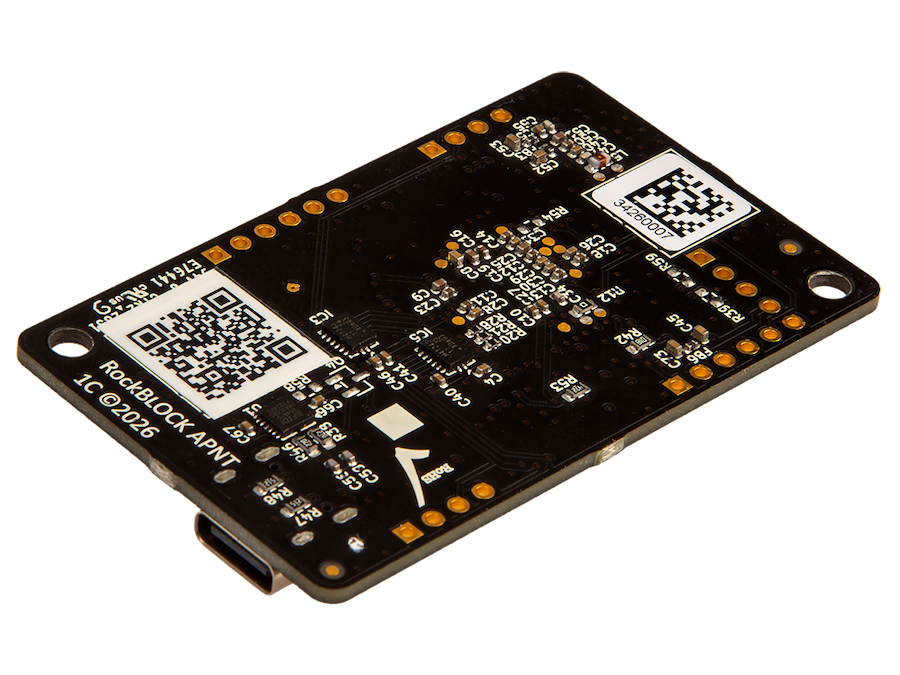
The most effective BVLOS operations combine satellite and terrestrial links. Satellites handle critical command and control, while LTE or RF supports high-bandwidth data like video streaming. Ground Control’s RockBLOCK and Iridium Certus devices follow this approach, enabling safe, scalable, and efficient operations anywhere, whether inspecting remote pipelines, supporting offshore energy, or transporting urgent medical supplies.