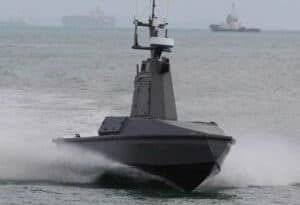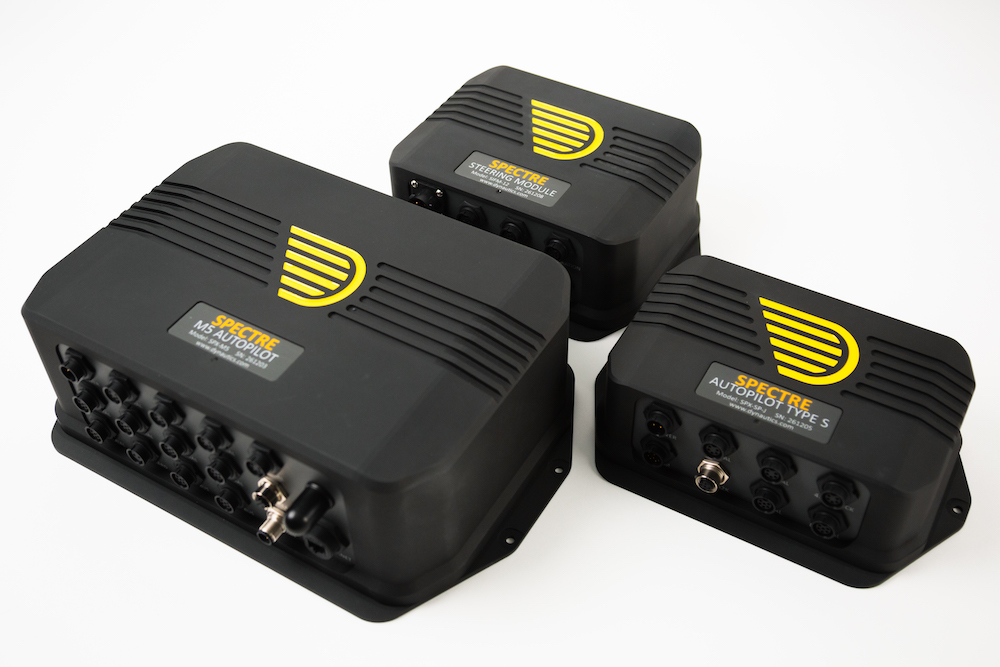

Dynautics develops intelligent technologies, specializing in marine autopilots, remote control, navigation, power management modules and unmanned surface vehicle communication solutions to support uncrewed marine missions worldwide, as well as research, assessment and security.
In this exclusive Q&A, UST sat down with Henry Robinson, CEO of Dynautics, to discuss marine simulation, covering its role in vessel design, testing, training and mission planning, and emerging trends such as AI-driven modeling and adaptive control.
1. Why and when do you recommend using vessel simulation?
Vessel simulation is a very useful tool, supporting every stage of control system design, development, applications engineering, testing, and training. The cost and risk of deploying a simulator is negligible compared to real sea trials, and the simulated environment enables safe and controlled testing of scenarios and systems too large and complex for real-world conditions. These trials can be methodically repeated to compare different strategies or algorithms.
2. What is Dynautics goal in undertaking marine simulation?
Marine simulation has many advantages. It can help to test propulsion location and type, buoyancy, hull design and actuator design, as well as supporting the tuning of a vessel’s control system.
The location and performance of propulsors and actuators, such as control surface response time, benefit from simulation testing, allowing control algorithms to be tuned and optimized. Buoyancy and hull characteristics can also be modelled for underwater vehicles.
3. When you develop a new control algorithm to achieve a specific route or maneuver in the simulator, what level of accuracy do you experience when you use it in the real world?
Accuracy levels can vary, but the key objective is to explore the vessel’s performance envelope. Some vessels are naturally less directionally stable due to their hull form or weight distribution. Using a simulator, we can safely push these limits to understand what happens when the vessel approaches or exceeds controllable limits. It is not essential to model every detail of a specific vessel. It is important though to confirm it is not operating on the edge of instability. Simulation allows us to investigate these factors and build greater robustness into the control system.
4. At which stage of the vessel design process do you get the most benefit from simulation?
Most of our simulation effort tends to be applied after the vessel has been built. However, it is helpful if we can use it to influence design modifications.
One type of vessel we controlled a few years ago was limited in its ability to operate in any significant wind, and its turning ability was very poor. We were able to propose and simulate some design modifications which were relatively easy to implement, greatly improving maneuverability. In this specific case, we raised the operating envelope of the vessel from wind Force 4 up to greater than Force 6.
5. Can you explain what elements of the environment you can simulate?
Most of the requirements are for simulating the effects of tidal currents, but we can also simulate wind, and waves, and variability in current, wind direction and speed.
6. How accurate does the initial vessel model need to be to ensure your control system is being tuned correctly?
Absolute accuracy is not critically important, rather the focus is on being able to simulate vessels with a range of characteristics and test adaptive tuning algorithms. The adaptive nature of these control algorithms is essential, as it compensates for differences between the simulated and real vessels, as well as variations across different vessel types and loading conditions.
7. How are Dynautics’ AUV and Ship simulators being used in training, mission planning, and system testing?
We use simulators to rehearse trials, train clients and new operators in operational procedures, and for mission planning. Simulators also extensively play a role in system validation, with systems routinely put onto simulators for pre-shipment testing.
8. What recent updates or improvements have been made to your marine simulation tools to support dynamic ocean conditions and diverse vessel types?
Our marine simulation tools have been developed over 25 years of operational experience, and we have a large core of infrastructure. That said, we do occasionally add features, including support for different sensors or propulsors.
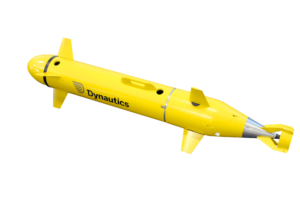
Phantom AUV.
9. Can you share examples of your marine simulation technologies being used to reduce time to launch?
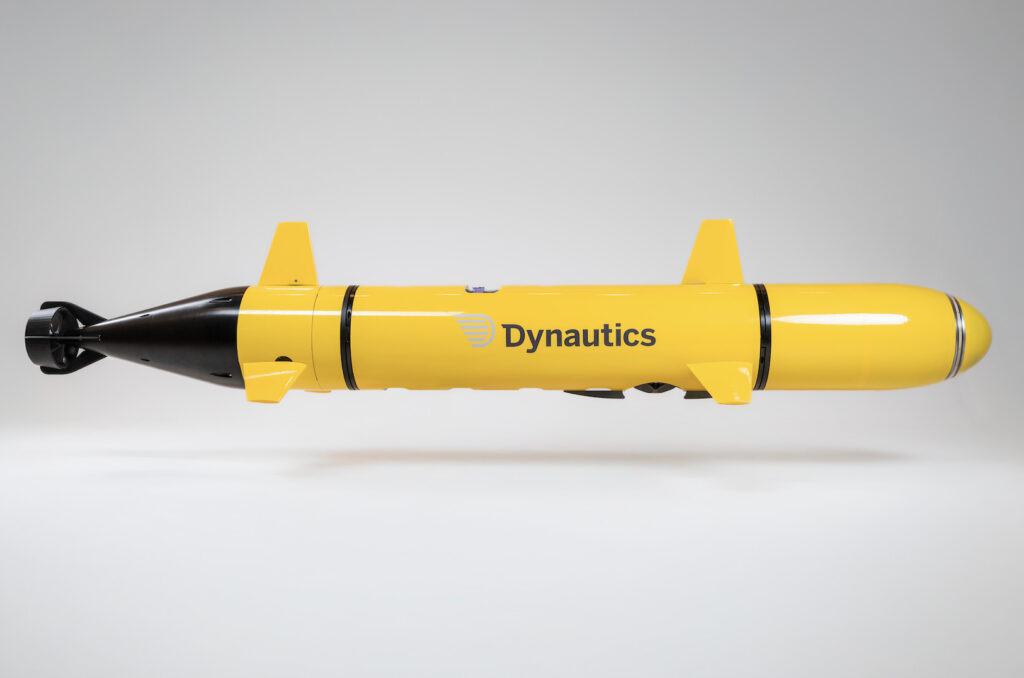
Our Phantom AUV was trialled in a test tank and brought under full control on the second day. When it then went to sea, the AUV was successfully following waypoint missions during its first two days.
Successful trials mean vessels are operational sooner, with simulators saving time, costs and de-risking the whole process.
10. What are the different types of marine simulation tools that Dynautics offers?
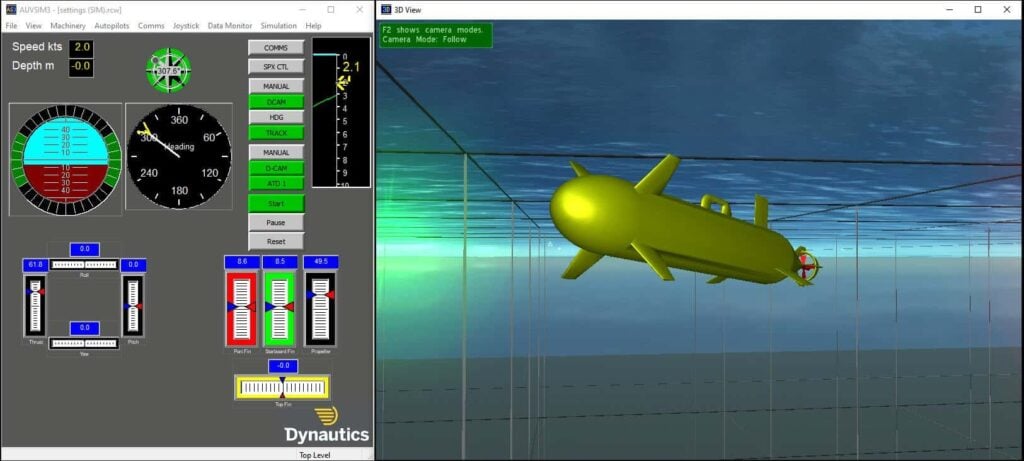
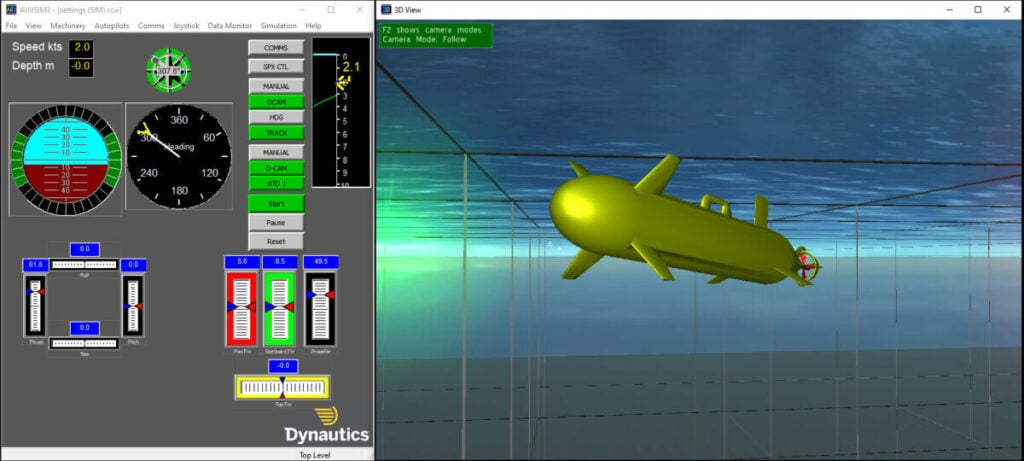
We simulate surface craft (ShipSim) and underwater craft (AUVSim). Each of these simulators allows the user to build up the craft from a menu of components, making them very versatile. The surface ship simulator also supports IEC and ISO standards for testing heading and track control systems.
Beyond this, we utilize other simulation tools to study sub-modules, such as buoyancy control devices or waterjets. The results from these studies are then incorporated into our AUV and ship simulators.
11. What trends or emerging requirements in the unmanned marine sector do you see shaping the development of marine simulation in the next 3 to 5 years?
Situational awareness is crucial for safe navigation. This makes it increasingly important to simulate complex multi-platform scenarios across varied environmental conditions, including wind, sea state, night, and fog, while providing coordinated views of radar, video, and other onboard instruments.
These situations are particularly challenging because each vessel must operate interactively with others, following COLREGS while accounting for the natural variability in human behavior. Addressing this will require a greater role for AI.
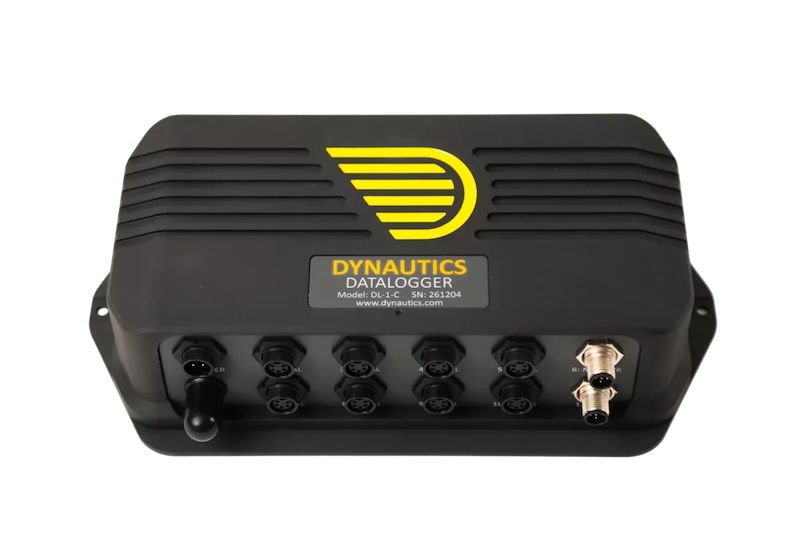
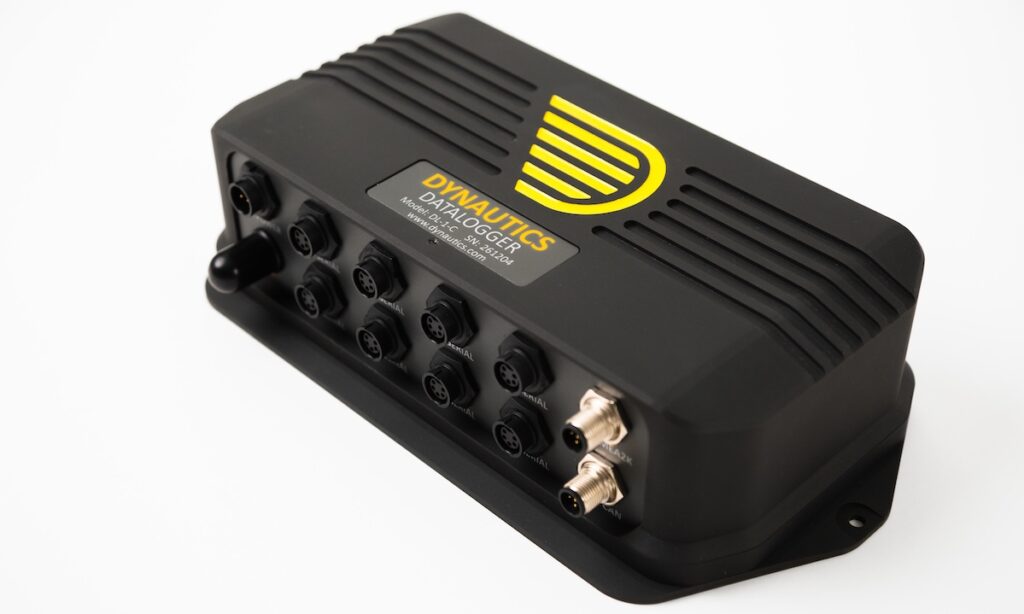
AI-based vehicle models are being developed, using high-density mission data collected from onboard dataloggers.
Dynautics is currently working on this, with a datalogger capable of recording voyage data in high resolution including navigation sensors and machinery data. This can be used to train AI models to replicate the behaviour of individual vessels and to explore advanced methods of adaptive control. Though it is still at a relatively early stage of development, it will be interesting to see how it progresses.
At Dynautics, we also attach great importance to nurturing the next generation of marine technologist talent to shape the future of marine simulation and autonomy. Dynautics is a long-time sponsor and supporter of the Society of Maritime Industries’ MAChallenge competition, to encourage young technologists and help develop careers contributing to the future of the UK’s MAS industry. We also offer significant discounts on marine simulator technologies for academic and higher education establishments worldwide.
Thank you for your time. It has been a pleasure speaking with Dynautics, and we look forward to following the continued advancements and adoption of marine simulation in the unmanned systems industry.