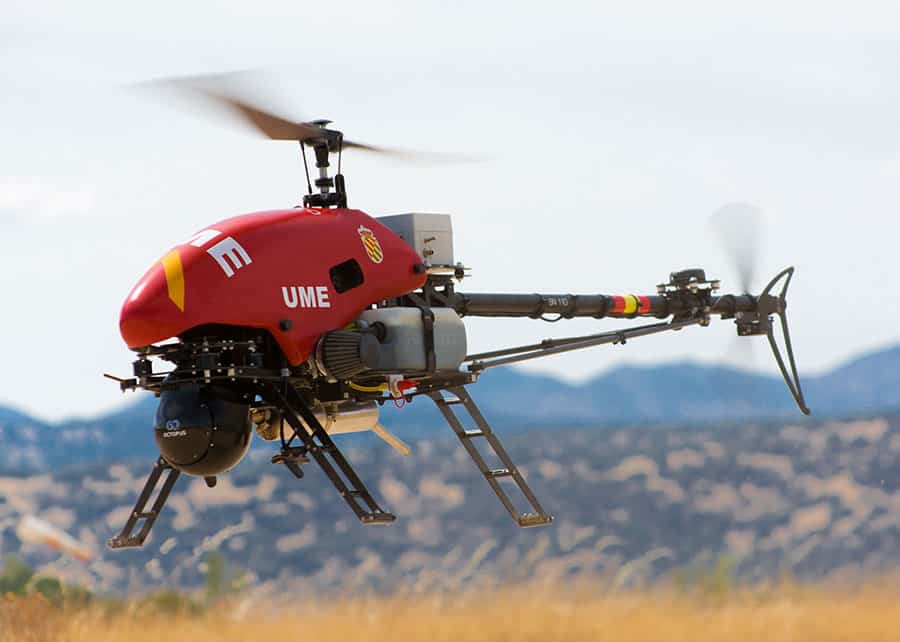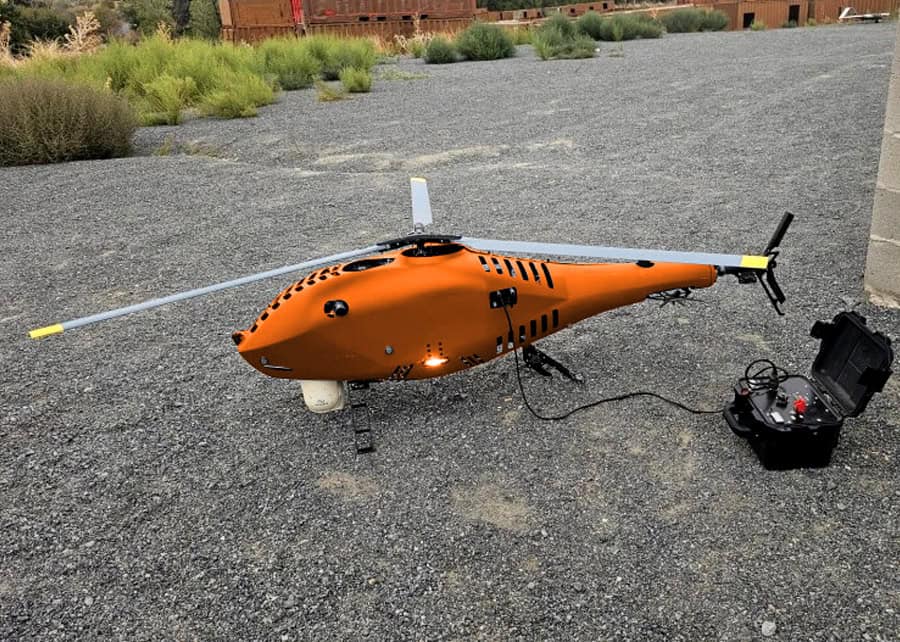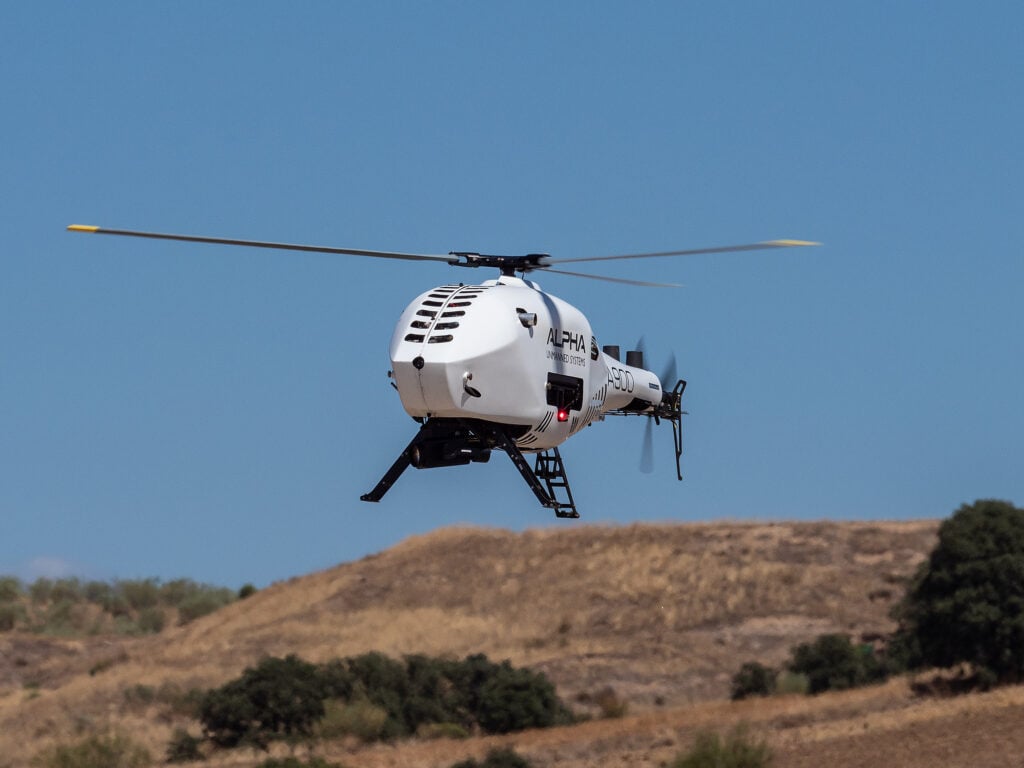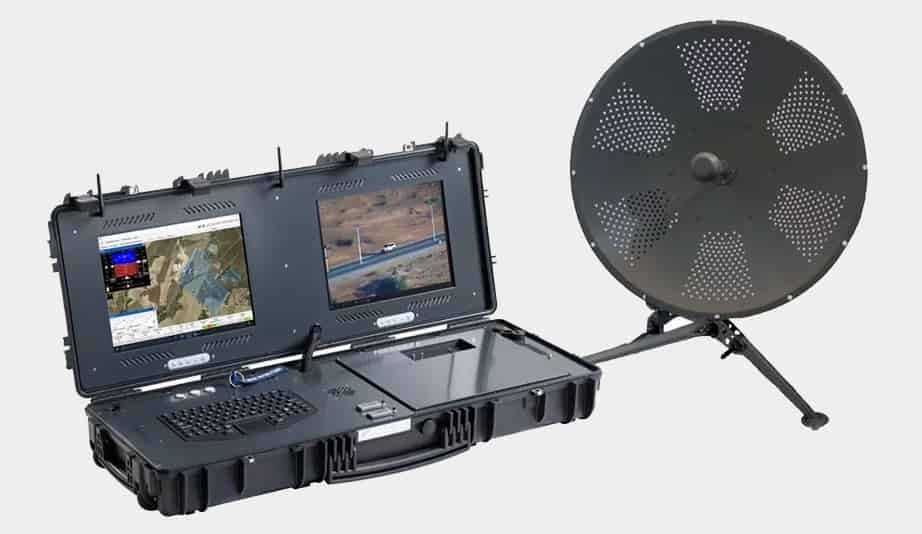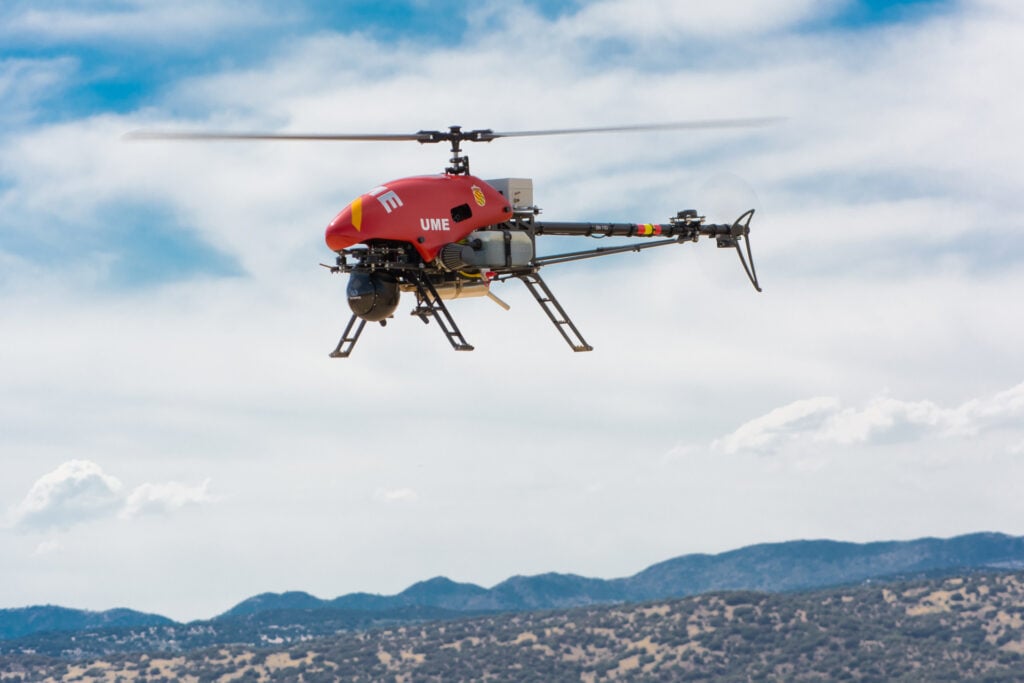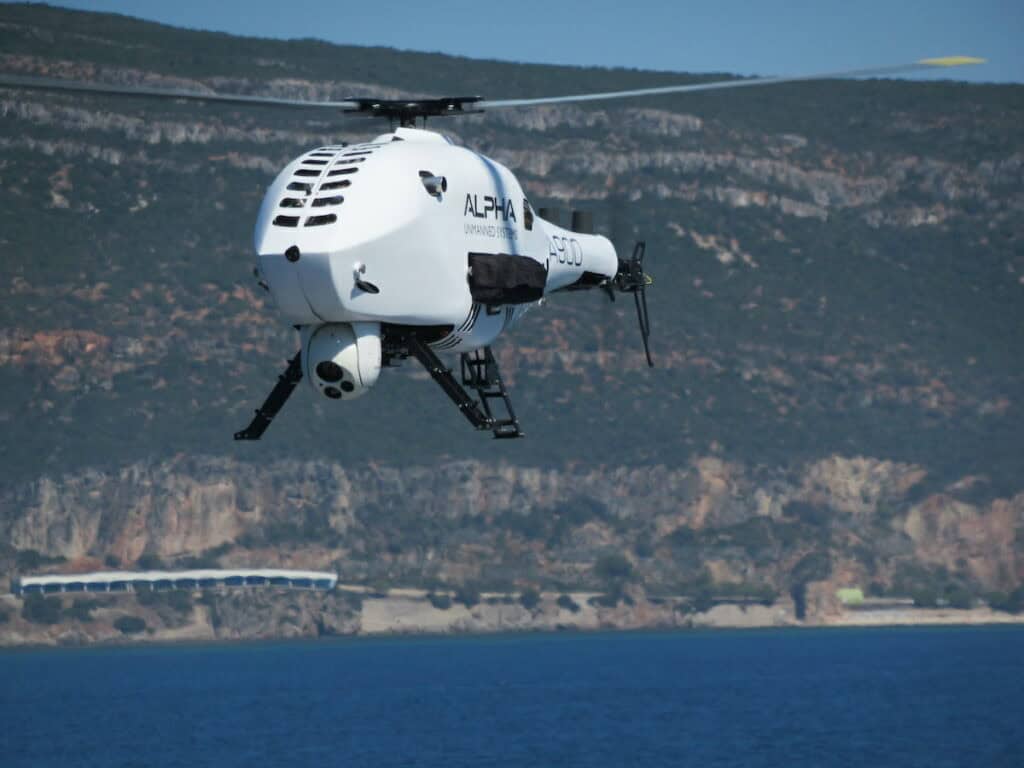

Alpha Unmanned Systems, developer of tactical UAV helicopter systems, underscores the growing importance of Small and Medium-Sized Enterprises (SMEs) in global defense innovation.
 As defense spending rises amid geopolitical instability, firms like Alpha Unmanned Systems are helping strengthen industrial capacity, technological advancement, and national resilience.
SMEs provide the adaptability, innovation, and resilience essential to defense. In Europe, over 2,500 support specialized supply chains, though national divisions limit collaboration. Globally, they face restricted procurement access, complex regulations, slow export approvals, and funding barriers. The UK’s March 2025 SME hub and Germany’s SME–prime partnerships show how targeted policy and collaboration can boost innovation, jobs, and industrial capacity across defense supply chains.

Six Priorities for Unlocking SME Potential
To strengthen defense innovation, SMEs must be central to industrial ecosystems. Addressing long-standing barriers requires focused policy action and closer collaboration among governments, major contractors, and smaller firms.
1. Prioritize Domestic Innovation
Favoring locally developed technologies enhances strategic autonomy and ensures faster, more resilient responses to crises. Supporting domestic R&D reinforces national industrial bases and sustains employment.
2. Reserve 20% of Public Defense Contracts for SMEs
Setting clear SME participation targets broadens supply chains, increases competition, and allows smaller firms to contribute as lead innovators, not only subcontractors.
3. Streamline Export Licensing
Export approvals often take months, limiting market access. Assigning dedicated personnel and prioritizing SMEs with confirmed contracts can accelerate approvals and strengthen competitiveness.
4. Reduce Administrative Complexity
Simplifying and digitizing procurement, certification, and audit processes would make national and multinational programs, such as the European Defence Fund (EDF) and NATO initiatives, more accessible to SMEs.
5. Improve Access to Finance
Public guarantee schemes can help SMEs secure credit to expand production, invest in facilities, and strengthen supply chains, enhancing both national and allied industrial resilience.
6. Foster Long-Term Public–Private Collaboration
Building trust between governments, major primes, and SMEs is essential. Early involvement in R&D and procurement ensures that innovation is shared and that smaller firms are treated as equal contributors to national defense capability.
Building a More Resilient Industrial Base
These priorities do not require large-scale reform, only consistent implementation and strategic commitment. By aligning such measures across allied nations, SMEs can evolve from peripheral suppliers to central partners in defense innovation.
Empowering SMEs is more than an economic objective; it is a strategic investment in technology, agility, and resilience. Alpha Unmanned Systems exemplifies how smaller, innovative enterprises can strengthen global defense by advancing high-performance UAV systems and supporting the industrial capacity that underpins national security.