Command Control and Communications Software
Discover cutting-edge solutions from 4 leading global suppliers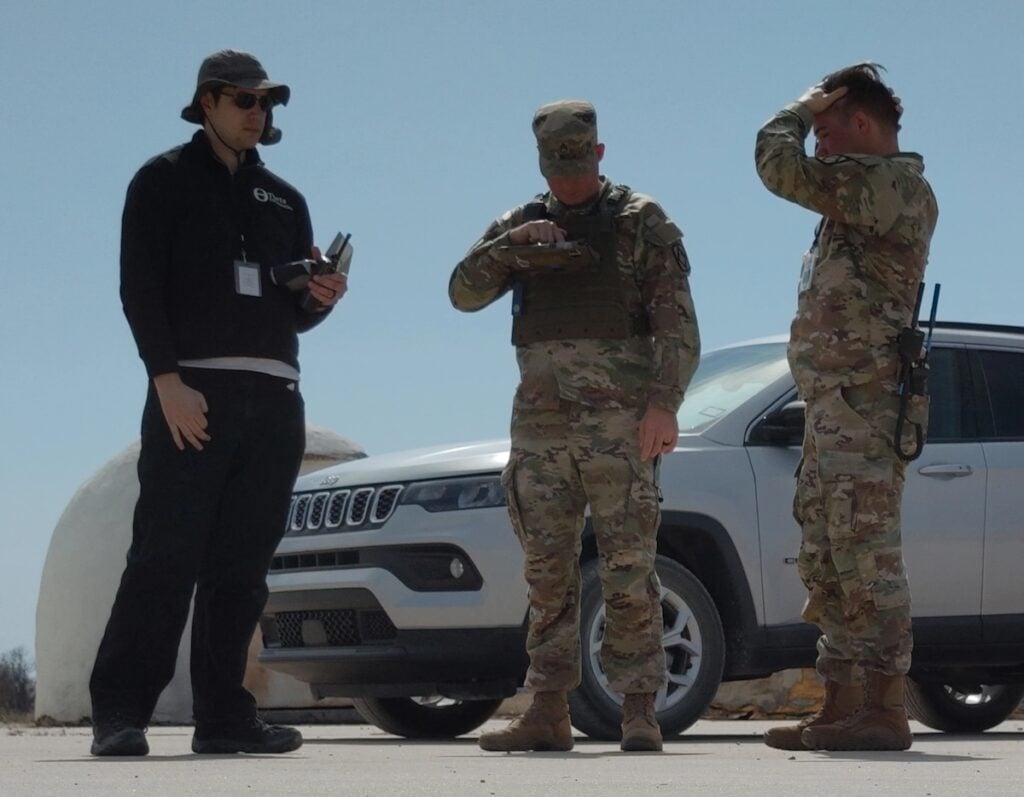
Theta Informatics LLC has completed a series of warfighting experiments at Fort Sill, Oklahoma, demonstrating the integration of its OpenAthena software with U.S. Army field artillery workflows.
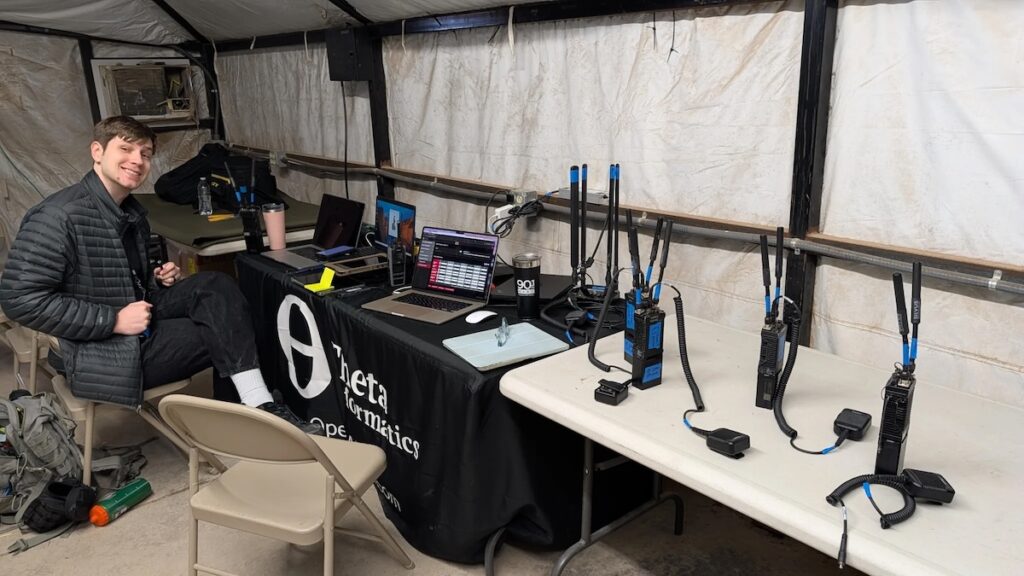
During the Concept Focused Warfighting Experiment, Cross Domain Fires (CFWE – CDF), soldiers with 13A and 13F military occupational specialties operated Skydio X10D small unmanned aerial systems (sUAS) alongside OpenAthena for Android and Desktop software. The trials, conducted throughout February and March 2026, utilized Silvus Technologies’ Streamcaster radios to maintain voice communications and network connectivity throughout the exercise.
The technical demonstration focused on the ability of drone operators to remotely detect, geolocate, and label ground objects within a range complex. This data facilitated simulated call for fire workflows using indirect fire assets, proving that OpenAthena can interoperate with existing Army mission command and Advanced Field Artillery Tactical Data System (AFATDS) software. By using drones equipped only with passive optical cameras, the system established a viable sensor-to-shooter chain using terrain-raycast technology.
Army operators used the experiment to develop new tactics, techniques, and procedures for the employment of the software and provided critical feedback for refining the technology for active use cases. This demonstration paves the way for increased human-machine integration and teaming, using inexpensive drone platforms to increase the effectiveness of forward observers in large-scale combat operations against near-peer adversaries.
Field artillery has historically accounted for upwards of 70% of combat casualties in high-intensity conflict. While forward observers serve as the critical eyes and ears of the gun line, the role remains highly dangerous as it typically requires operating close to the front line. The use of drones and terrain-raycast techniques allows these specialists to operate at an increased standoff range from frontline conditions, significantly improving personnel safety.
Observations from contemporary conflicts, such as the invasion of Ukraine, have shown that drone-based observation can result in massive tactical advantages. In some scenarios, the use of sUAS for artillery observation and drone teaming has accounted for roughly 90% of casualties. Theta Informatics aims for its successful performance at Fort Sill to support the Army Transformation and Training Command’s modernization objectives and broader national efforts toward drone dominance.
Following the execution of a Collaborative Research and Development Agreement (CRADA) with the DEVCOM Army Research Laboratory, Theta Informatics plans to transition its terrain-raycast technology into fieldable capabilities. These efforts seek to provide U.S. and allied warfighters with tools that enhance effectiveness while adapting to the changing character of modern warfare.