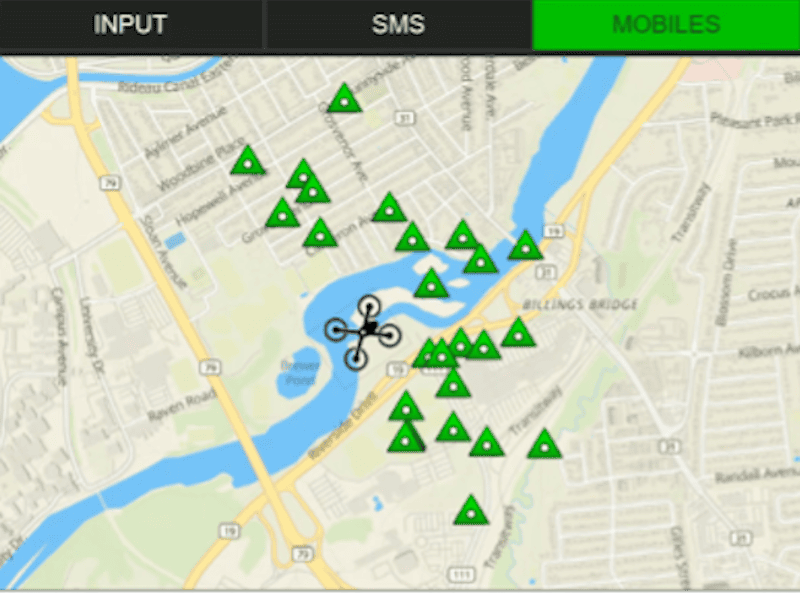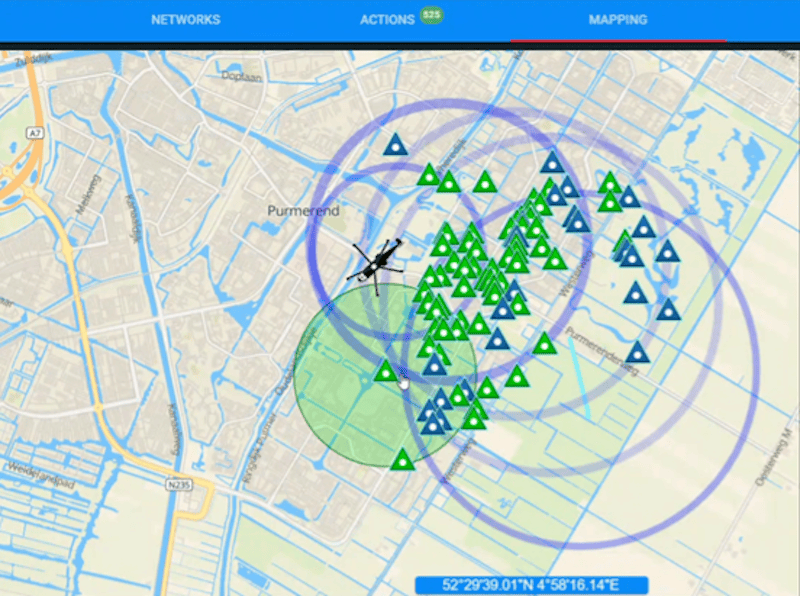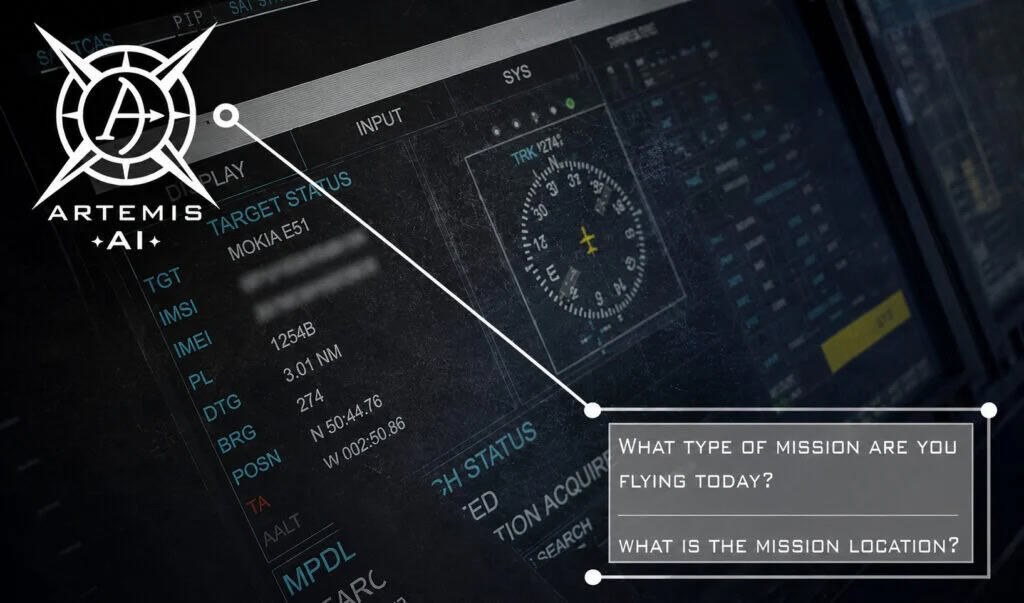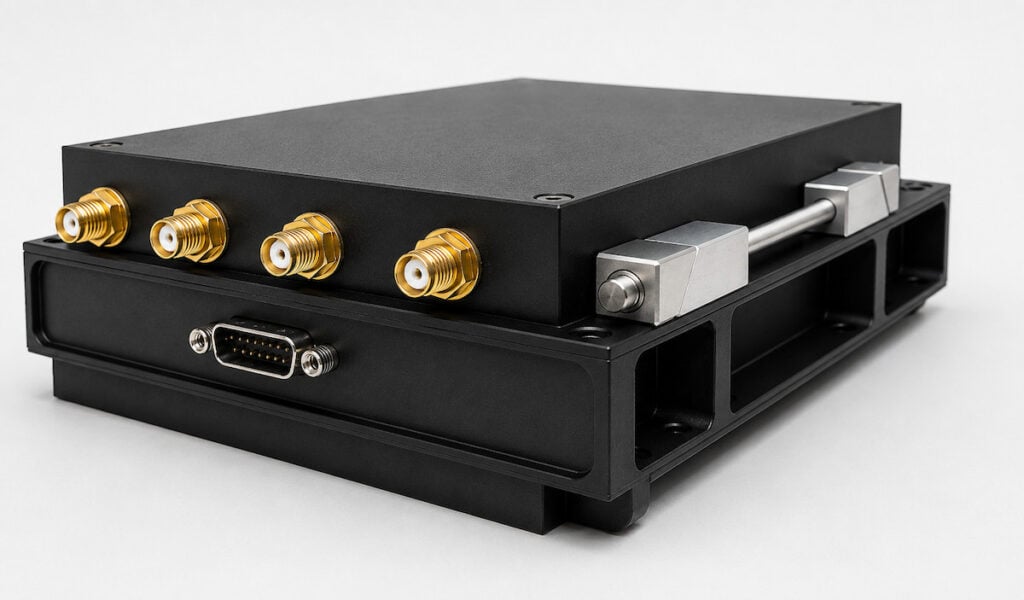

Smith Myers has expanded the capabilities of its ARTEMIS Mobile Phone Detection and Location Systems by adding passive Wi-Fi and Bluetooth geolocation alongside ATAK Cursor-on-Target integration.
The addition of passive Wi-Fi detection allows the ARTEMIS systems to identify and locate devices associated with local wireless networks, a feature designed to accelerate decision-making and improve operator safety during time-critical airborne operations. This is complemented by a new passive Bluetooth detection capability that enables the system to detect and geolocate devices in certain circumstances even after a handset’s main battery has been depleted.
To further streamline mission workflows, the introduction of ATAK Cursor-on-Target (CoT) command capability allows ARTEMIS to output precise geolocation data directly into networked mission systems. This integration enables the automatic cueing of onboard EO/IR cameras and other networked sensors, reducing manual operator workload and accelerating the visual confirmation of targets. Both detection modes operate entirely passively, maintaining a low electronic footprint.
“By combining cellular, AIS, COSPAS-SARSAT, Wi-Fi, Bluetooth detection and CoT integration in a single system, ARTEMIS delivers multi-layered device awareness and seamless sensor integration across complex operational environments,” said Andrew Munro, Managing Director at Smith Myers. “These new integrations reinforce our commitment to delivering innovative, life-saving technology to operators worldwide.”
As a global provider of airborne-qualified mobile detection technology, Smith Myers has previously integrated features such as Maritime AIS and COSPAS-SARSAT capability directly into its platforms. These latest advancements build upon a suite of operational tools including mass mapping, geofencing, and SARLOC consent-based location sharing to provide a comprehensive toolset for search and rescue and emergency warning missions.