
Agilica BV, a spin off from the Royal Military Academy of Belgium, is playing a key role in the Safe Autonomous Integrated Landing system for Ships (SAILS) project.
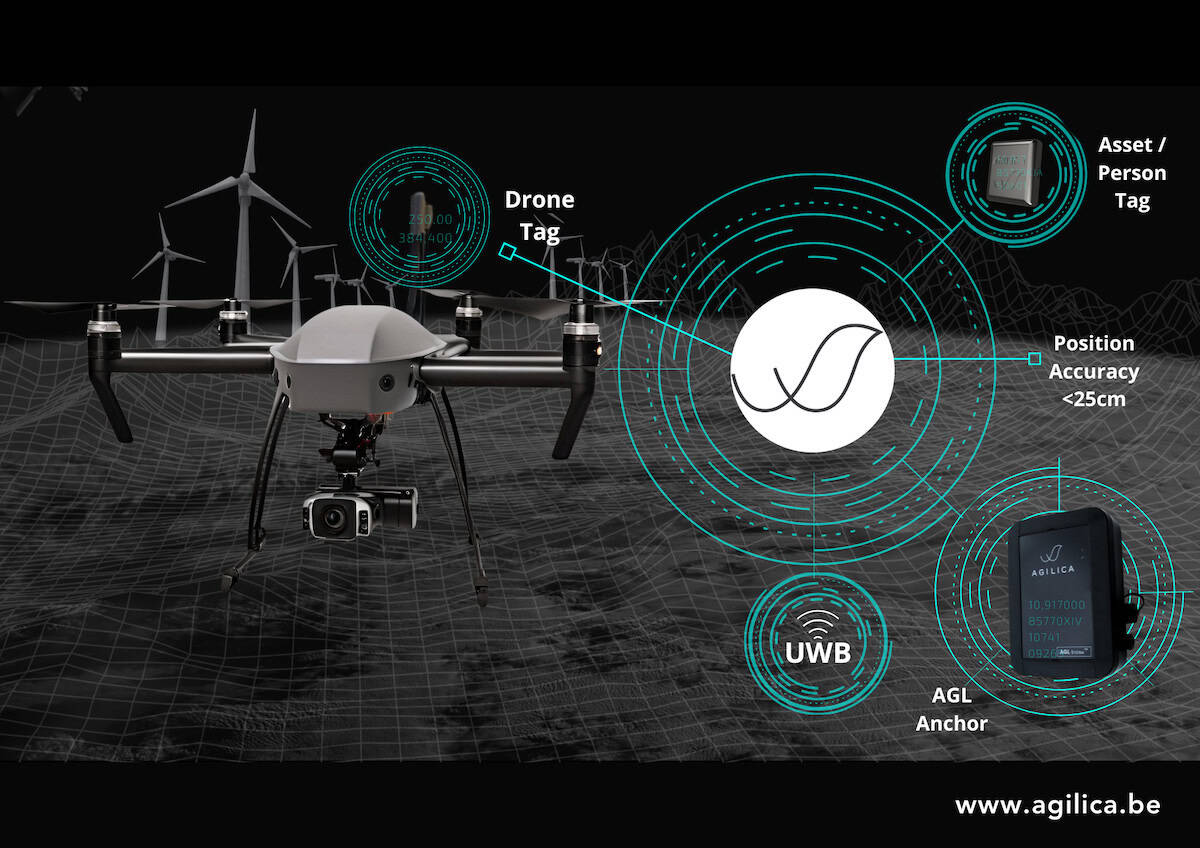
The Brussels-based deep tech company specialises in resilient positioning systems for autonomous drones and robotics in GNSS-denied or degraded environments.
SAILS is a Belgian Defence-commissioned project under the DEFRA programme, running from March 2025 to March 2028 with a budget of €1.6 million. The project is led by Sabena Engineering in partnership with the Royal Military Academy, Agilica BV, and the Belgian Navy.
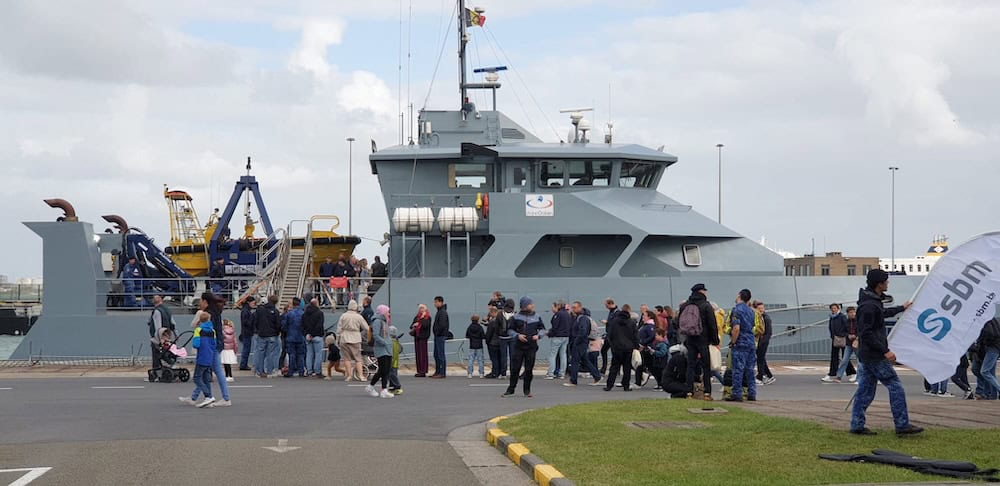
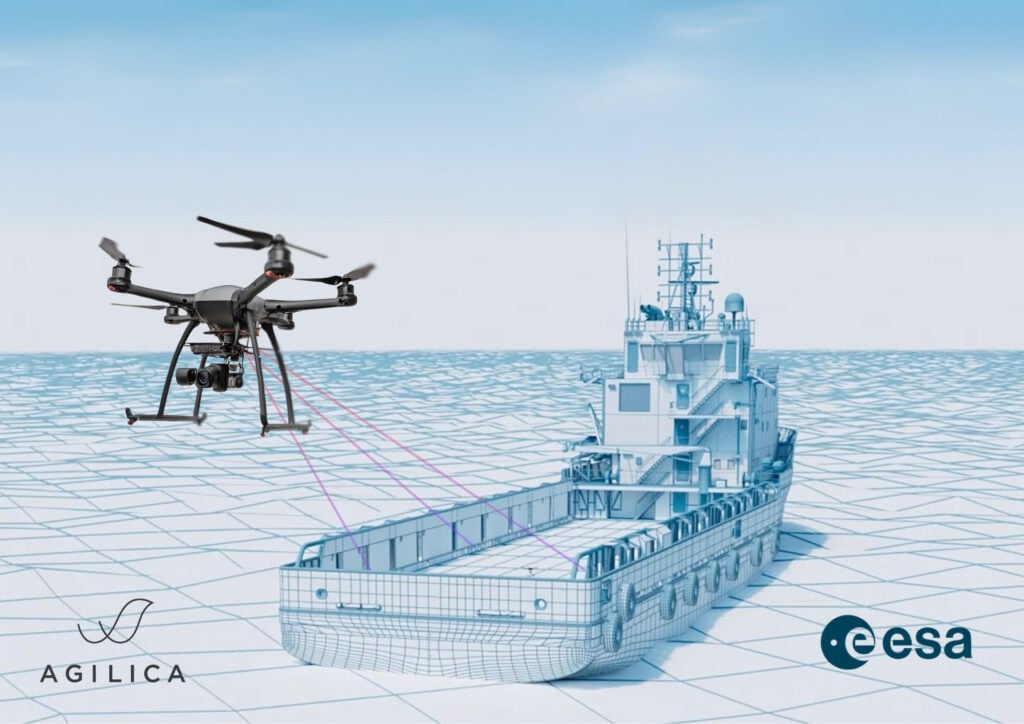
The project unites academia, industry, and operational end users to develop a robust multi-sensor architecture enabling autonomous approach and landing of Unmanned Aircraft Systems (UAS) on moving vessels in challenging maritime conditions. Its objectives include achieving safe and reliable autonomous landings in contested sea states, expanding UAV mission envelopes, and fostering dual-use applications in offshore energy, search and rescue, and defence domains.
Bart Sheers, COO, commented, “Landing a drone on a moving ship is among the toughest navigation challenges in maritime autonomy. With SAILS, we’re moving from concept to operational demonstration, bridging maritime robotics and safe flight operations.”
Hafeez Chaudhary, CEO, added, “By fusing UWB, inertial sensing, radar, IR and visual data, our goal is a system so reliable it gives ship captains confidence to launch and recover autonomously.”
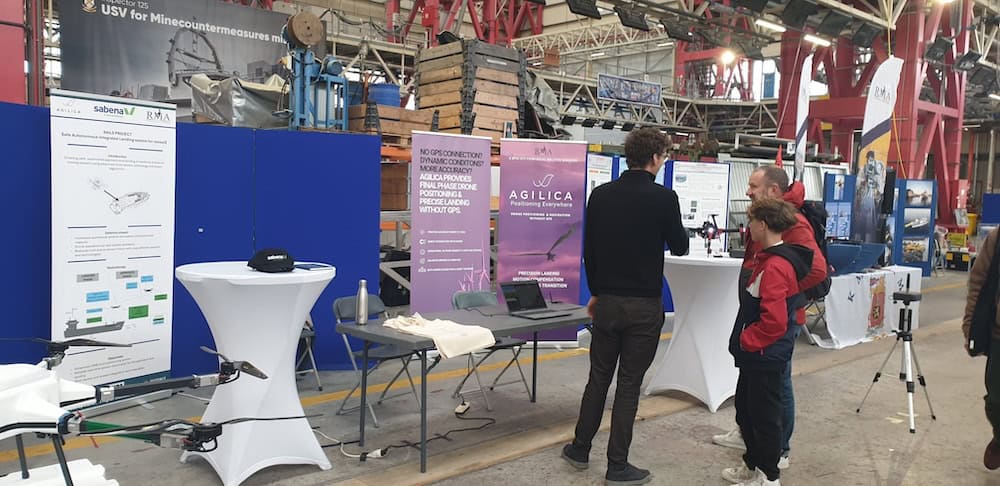
As part of this collaboration, the SAILS consortium gathered at NAVY TECHNO Fest 2025 in Belgium on October 4–5 to present integrated system demonstrations and host Q&A sessions with naval stakeholders and industry delegates.