

ISR Drones
Discover cutting-edge solutions from 23 leading global suppliersAktyvus Photonics is a pioneering developer of laser technology and the creator of innovative laser target designators that are designed to save lives and minimize casualties on the battlefield.
UST has been showcasing Aktyvus Photonics’ technologies, highlighting the company’s unique solutions and capabilities on their supplier profile which has been written and built in collaboration with the company.
The profile showcases their product portfolio of laser technologies, which can be fitted onto a wide range of small unmanned aerial vehicles (UAV) and unmanned systems platforms, offering a size-to-pulse energy ratio that is unparalleled within the market.
Read on to find out more:
Aktyvus Photonics’ OEM DPSS (diode-pumped solid-state) laser target designators are ideal for UAV and UGV (unmanned ground vehicle) payloads. With a smaller footprint and greater cost-effectiveness than anything else on the market, they unlock new capabilities that were previously impossible for small-sized unmanned systems.
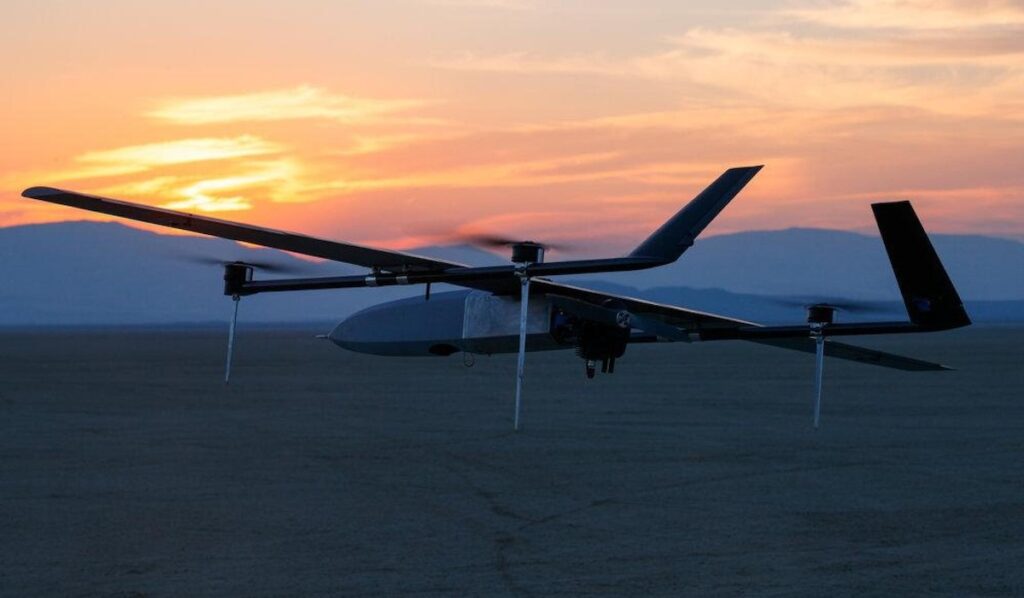
With these low-SWaP solutions, laser target designation is no longer the exclusive domain of larger and more expensive aircraft. The compact lasers can be integrated into lightweight gimbals that can be carried by cost-effective sUAS and micro-UAV platforms, unlocking new and disruptive concepts of operations:

1. Close-Range ISR: Small UAVs can get close to enemy forces and areas of interest, and gather critical aerial intelligence without attracting attention. Detailed surveillance and reconnaissance is achieved without putting personnel at risk.

2. Laser Target Designation: The UAV designates chosen targets with the laser according to STANAG 3733 NATO standards, providing precision guidance for a range of munitions.

3. Strike Delivery: The strike is co-ordinated and delivered by platforms such as aircraft and rocket multilaunchers from outside the enemy line of sight, ensuring safety for allied forces.
Thanks to their small size and low weight, the laser target designator designs free up resources for other sensors to be carried in tandem, such as EO cameras for target identification and tracking. They have also been engineered to withstand the harsh conditions of the modern battlefield, and are ruggedized against extremes of shock, temperature and humidity.
Aktyvus has developed a range of products that suit a wide variety of operational distances and vehicle SWaP budgets, all of which are free of ITAR and BAFA export restrictions.

To find out more about Aktyvus Photonics and their laser target designators for UAVs and unmanned systems, please visit their profile page.