

General Atomics Aeronautical Systems, Inc

AESA Maritime Radar to be Integrated on MQ-9B SeaGuardian UAS

By Mike Ball / 22 Jan 2021
Follow UST

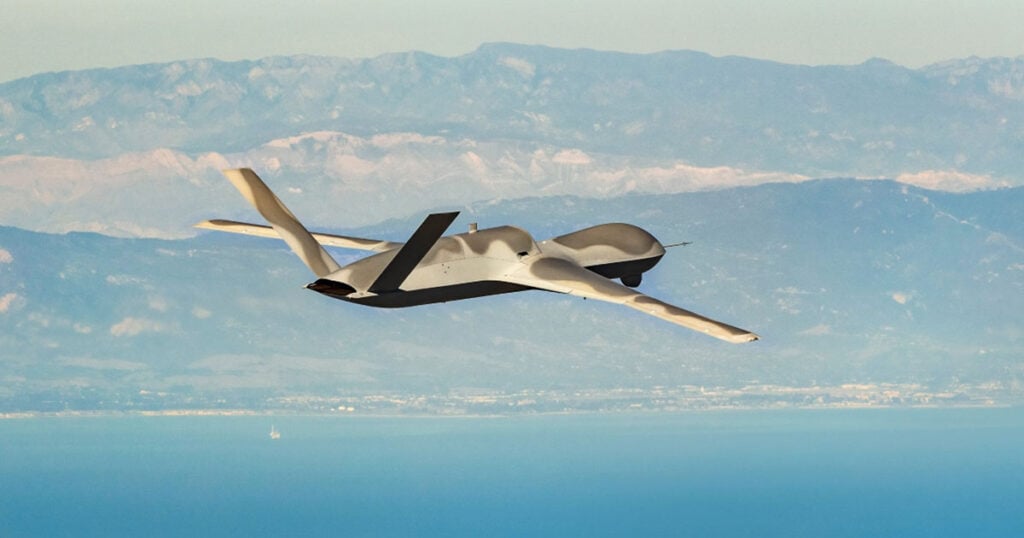
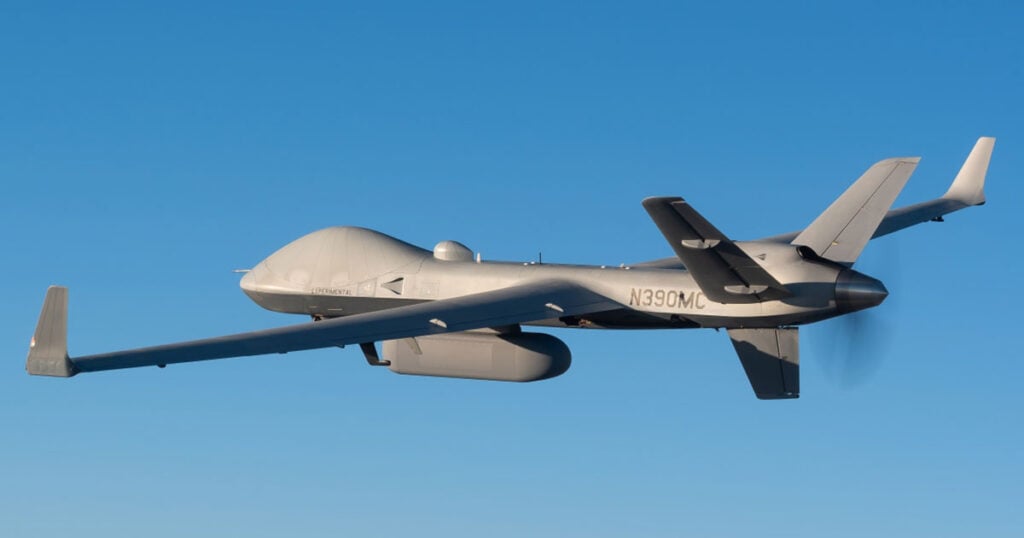
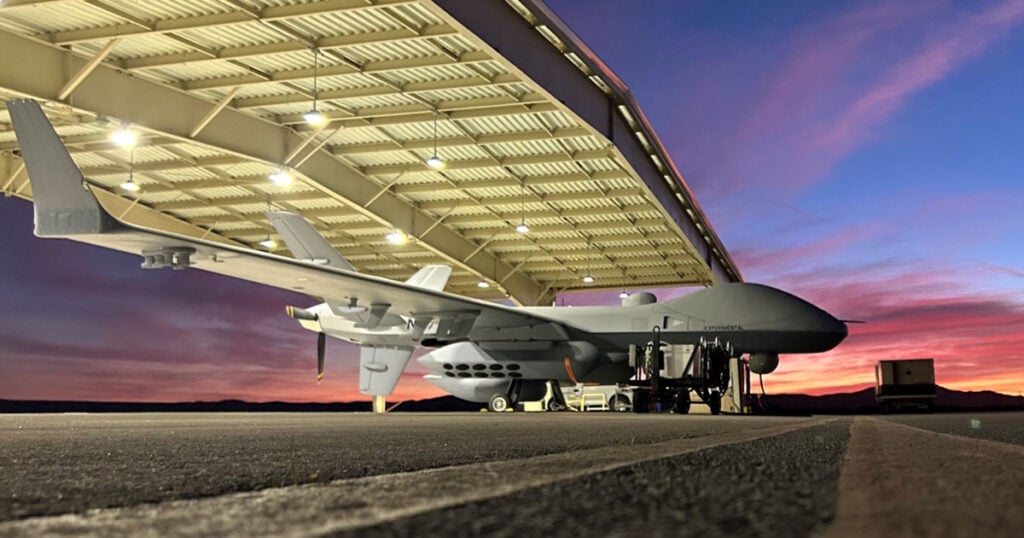
MQ-9B SeaGuardian UAS with Leonardo AESA radar

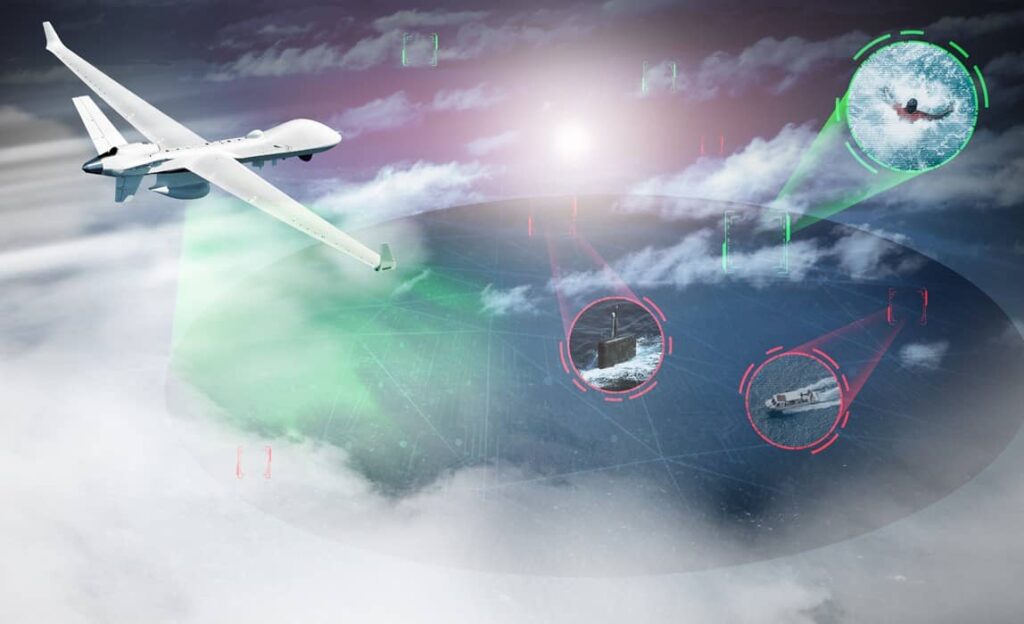
General Atomics Aeronautical Systems, Inc. (GA-ASI) is integrating Leonardo’s Seaspray 7500E V2 Active Electronically Scanned Array (AESA) radar into the centerline radar pod of its MQ-9B SeaGuardian UAS (unmanned aerial system). The radar will provide the aircraft with persistent maritime ISR capabilities, allowing it to detect, track and classify hundreds of maritime targets.

Leonardo Seaspray radar capabilities include a patented small target detection capability that allow the systems to spot extremely difficult targets such as submarine periscopes and shipwrecked individuals at long range, even in extremely rough seas. The radars also feature high reliability and fault tolerance that allows continued effective operation even if a number of individual radar modules fail.

The SeaGuardian variant of the long-endurance, STANAG-4671 compliant MQ-9B also carries a multi-mode maritime surface-search radar with Inverse Synthetic Aperture Radar (ISAR) imaging mode, an Automatic Identification System (AIS) receiver, and a High-Definition – Full-Motion Video sensor equipped with optical and infrared cameras. This sensor suite, augmented by automatic track correlation and anomaly-detection algorithms, enables real-time detection and identification of surface vessels over thousands of square nautical miles.

The integration will also include an Open Mission Systems (OMS) approach, which enables the SeaGuardian and its sensor suite to provide operational and sustainment flexibility to customers. GA-ASI has also recently completed initial integration work of Leonardo’s SAGE electronic surveillance unit onto the SeaGuardian, equipping the aircraft with the ability to gather intelligence information on maritime and land-based radar emitters over a wide area.


To learn more, visit the General Atomics Aeronautical Systems, Inc Partner Hub: Innovation Partner Hub
Posted by Mike Ball Mike Ball is our resident technical editor here at Unmanned Systems Technology. Combining his passion for teaching, advanced engineering and all things unmanned, Mike keeps a watchful eye over everything related to the unmanned technical sector. With over 10 years’ experience in the unmanned field and a degree in engineering, Mike’s been heading up our technical team here for the last 8 years. Connect

More from General Atomics Aeronautical Systems, Inc

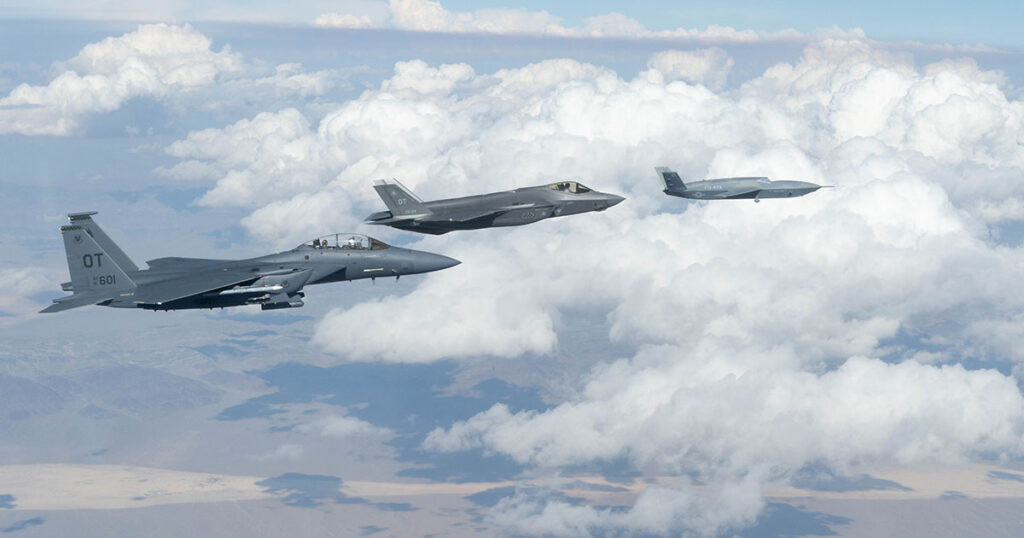
GA-ASI Demonstrates Manned-Unmanned Teaming in Autonomy Exercise

General Atomics Aeronautical Systems has demonstrated manned-unmanned teaming capabilities during a joint autonomy exercise involving an MQ-20 Avenger® surrogate Collaborative Combat Aircraft and an F-35 fighter jet using beyond line of sight communications

May 29, 2026
GA-ASI & US Air Force Return YFQ-42A CCA to Flight Testing Following Software Updates

Following a brief strategic pause and successful software remediation, General Atomics Aeronautical Systems' YFQ-42A has resumed flight operations to continue its next-generation technology maturation and risk reduction mission

May 26, 2026
GA-ASI & Saab Complete Initial Flight of RPA Equipped With Early Warning Radar

GA-ASI and Saab have successfully conducted the first flight of the MQ-9B aircraft with LoyalEye pods, advancing next-generation airborne early warning capabilities

May 22, 2026
GA-ASI & USAF Successfully Test Laser-Guided Rockets for MQ-9A Reaper®

GA-ASI and the U.S. Air Force demonstrate new low-cost aerial intercept capabilities using laser-guided rockets on the MQ-9A Reaper®

May 13, 2026
GA-ASI Commends VMU-3 & Capt. Goar for Prestigious Marine Corps Aviation Awards

Marine Unmanned Aerial Vehicle Squadron 3 has been named the USMC’s UAV Squadron of the Year for exceptional operational effectiveness using the MQ-9A platform within the Marine Air-Ground Task Force program

Apr 28, 2026
GA-ASI Selected for U.S. Navy Collaborative Autonomy Project

General Atomics Aeronautical Systems (GA-ASI) has been selected to support the U.S. Navy’s Collaborative Autonomy Mission Planning and Debrief (CAMP) initiative, advancing mission planning, debrief capabilities, AI model management, and autonomy workflows

Apr 22, 2026
Advancing Unmanned Systems Through Strategic Collaboration UST works with major OEMs to foster collaboration and increase engagement with SMEs, to accelerate innovation and drive unmanned systems capabilities forward.