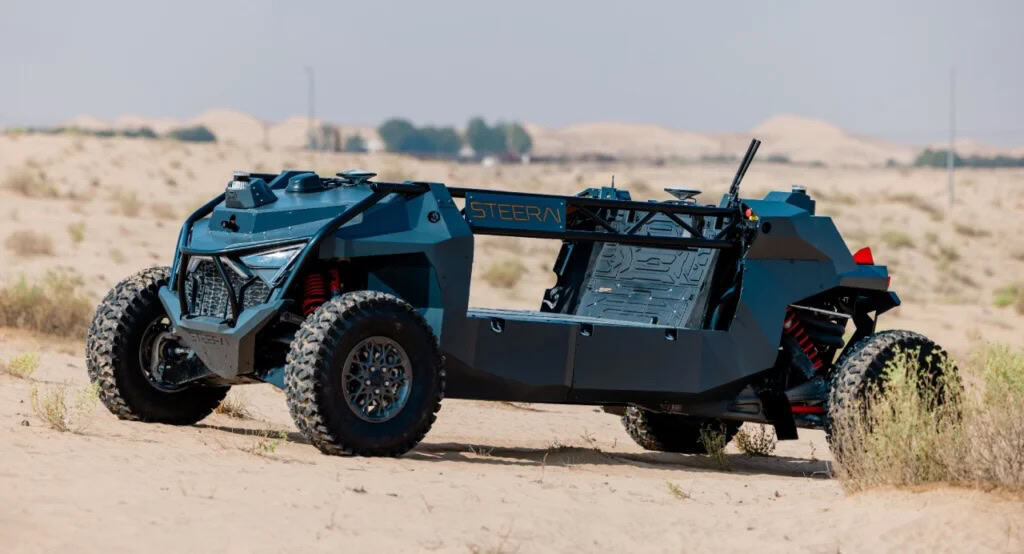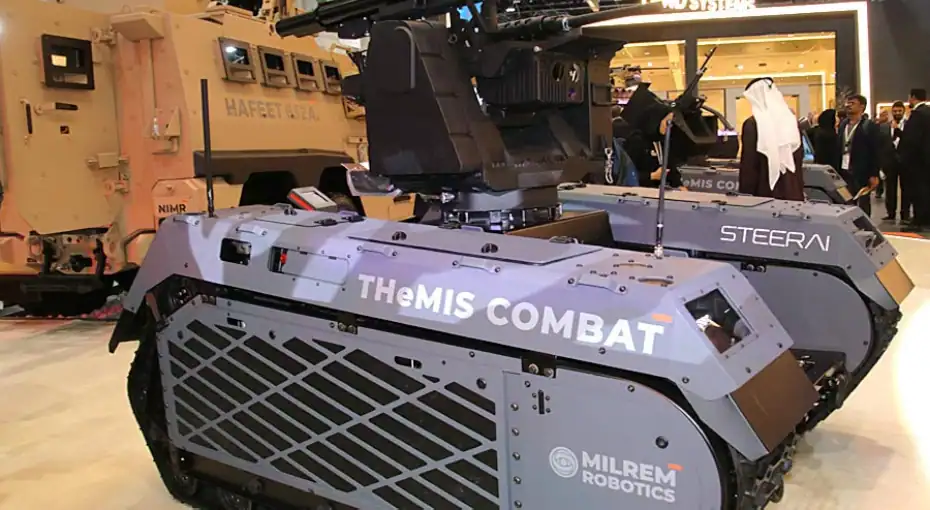
SteerAI outlines a practical framework for implementing autonomous vehicle operations, providing clear steps for organizations across logistics and defense.
Autonomy is widely discussed, yet many organizations are unsure where to begin. While the pathway may seem unclear, the opportunity is well defined. Autonomous operations can help address driver shortages, reduce costs, increase safety, and improve productivity by enabling vehicles to run nearly 24/7. Without a clear roadmap, the transition can feel overwhelming. A phased approach enables progress with a focus on measurable value.
Defining the Operational Design Domain
The starting point is the Operational Design Domain, which defines the conditions in which autonomous systems operate safely and predictably. Operational teams should be involved early to provide insight into real-world workflows.
Organizations should identify repetitive, high-volume flows, such as internal yard logistics at a manufacturing plant, where conditions are stable and predictable. These environments offer a controlled setting and faster return on investment. Scope should then be narrowed to flows that are easiest to automate, while assessing whether existing equipment can support them with upgrades if needed.
Initial deployments should focus on real flows that solve operational problems. One or two testbed flows are sufficient before scaling.
Assessing Readiness
Before deployment, organizations must assess readiness across operations, technology, and infrastructure.
Workflows should be reviewed to determine whether they remain manual or partially digitized, including loading and unloading and the level of human involvement. Mapping these flows helps identify automation opportunities and where human input remains necessary. Longer operating hours may also require updates to scheduling and logistics systems to avoid bottlenecks.
Technically, organizations must evaluate whether fleets can support autonomy, including drive-by-wire capability, retrofit potential, and required updates. Decisions may involve retrofitting, replacing, or phasing in autonomy. A technical assessment typically takes around three months.
Infrastructure must support real-time operations, including connectivity through private or public networks. Organizations should also assess satellite coverage, edge computing and latency, and readiness for electrification, including charging infrastructure and grid capacity. Systems and teams must be prepared to interface with autonomous workflows.
Building the Business Case
Organizations must develop a business case that supports long-term deployment rather than isolated pilots, which rarely deliver sustained value.
Decision-making often sits with chief operating officers, supply chain leaders, or site managers, so the case must align with operational goals. Benefits should be clearly quantified. A single autonomous vehicle is unlikely to deliver meaningful return, but deployment at scale can create significant impact.
In logistics, autonomy can reduce labor requirements, improve safety, increase productivity, and support scalability. In defense, it reduces risk to human life, acts as a force multiplier, and enhances operational resilience. Across sectors, it also reduces repetitive tasks, lowers emissions, and improves energy efficiency.
From Assessment to Implementation
Once defined, implementation typically takes six to eighteen months, depending on scope and scale.
Organizations should establish an internal autonomy team across operations, IT, infrastructure, and leadership. Early deployments should generate insights to inform broader rollout.
Autonomy requires rethinking workflows, infrastructure, teams, and business models. Success depends on clearly defined conditions, a structured readiness assessment, and a focus on measurable business value.
Rickard Mårtensson, Head of Growth at SteerAI, commented,“Going autonomous is a transformation project where organizations must completely rethink how their entire operation works.”