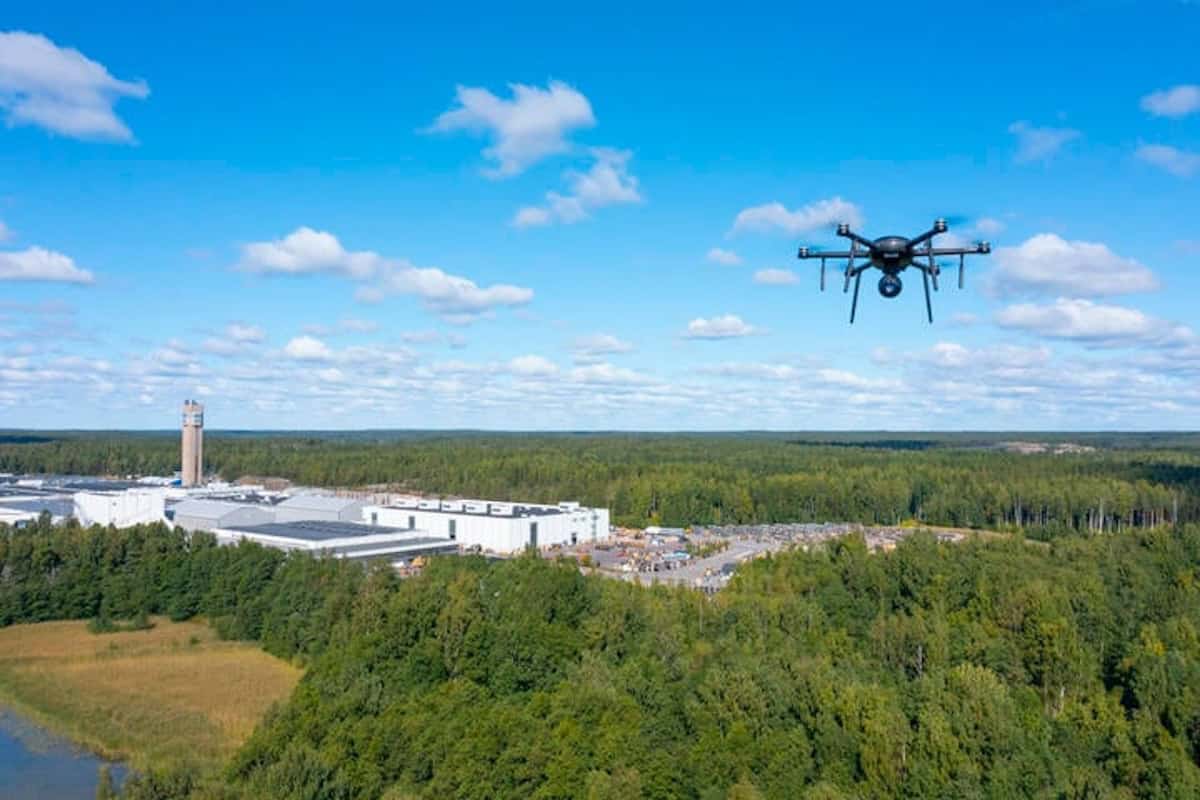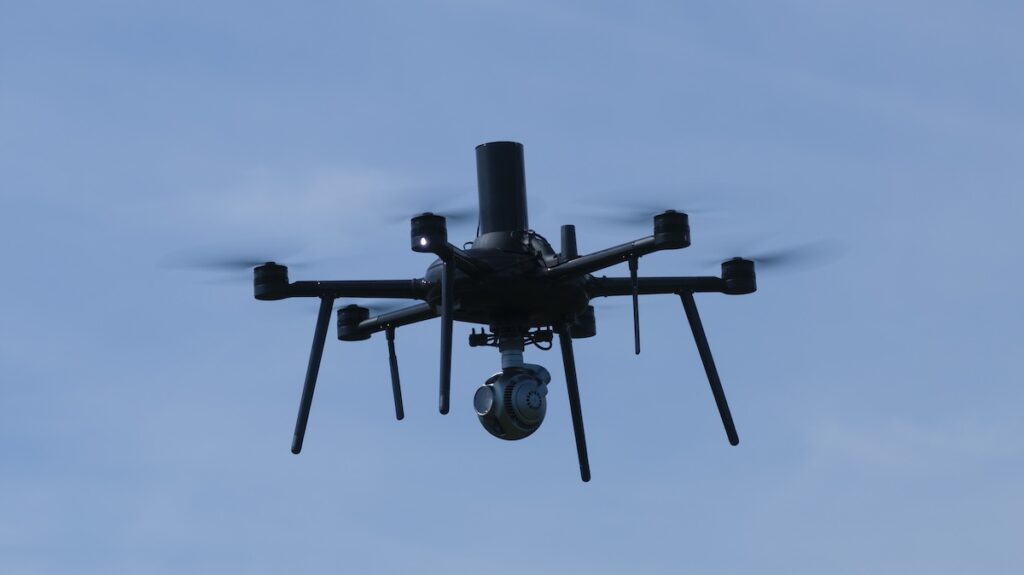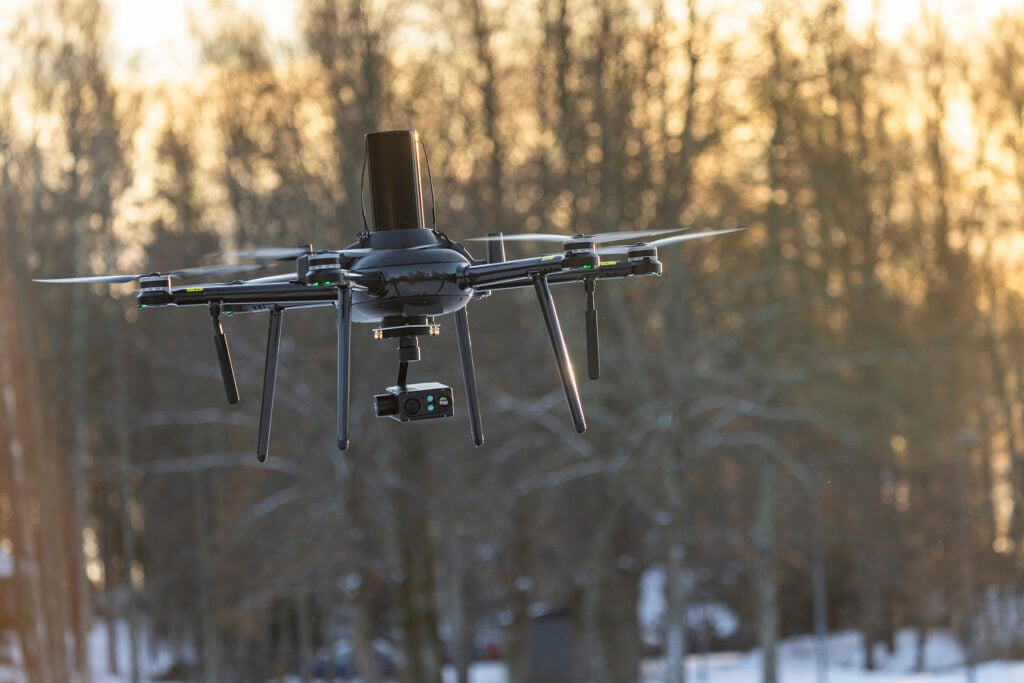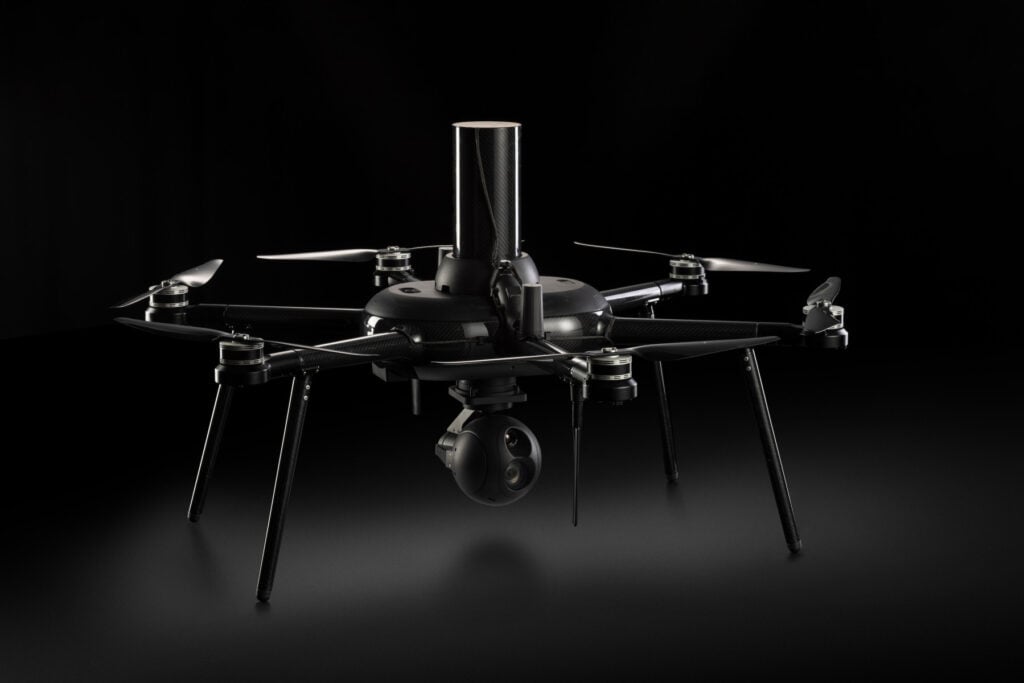

Nokia Drone Networks outlines how its drone-in-a-box technology supported the launch of South Carolina’s first Drone as First Responder (DFR) program in Summerville, where its hardware serves as the core aerial component within an integrated system alongside Motorola Solutions’ CAPE software.
The Summerville Police Department’s program, developed over a three-year period, represents the first DFR deployment in South Carolina. It utilizes Nokia Drone Networks hardware to enable automated drone deployment within emergency response operations.
Notably, the deployment does not rely on platforms from commonly used drone manufacturers such as DJI, reflecting a shift toward alternative architectures built around telecom infrastructure and integrated software ecosystems.
Supporting DFR Deployment
Nokia’s Drone Networks hardware, integrated with Motorola Solutions’ CAPE drone software, is used as part of a turnkey drone-in-a-box platform that enables automated launch from a docking station, allowing drones to be deployed on demand. The system connects over 4G LTE or 5G networks, supporting beyond visual line of sight operations and enabling remote dispatch and control from one or multiple locations.
Instead of relying solely on traditional radio links, the platform uses cellular infrastructure to maintain connectivity. This allows live video and AI-assisted analytics to be transmitted to operators in real time.
The platform also includes automated flight capabilities that allow the drone to adjust its path to avoid obstacles, remain within geofenced areas, and adapt to terrain changes during flight.
Enabling Rapid Aerial Response
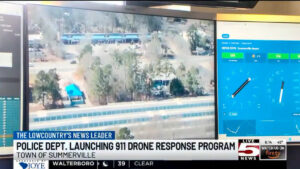
Photo credit: LIVE 5 WCSC
Within the Summerville deployment, drones are dispatched following an assessment by emergency call handlers. With a single command, the aircraft launches from its docking station and heads directly to the scene, where a remote pilot can take control from a range of locations.
The system enables the drone to reach most locations within the town in under three minutes, bypassing ground-level delays. This provides aerial visibility ahead of arriving personnel, allowing responders to assess conditions, including positioning and resource requirements, before reaching the scene.
Integration into Public Safety Workflows
Nokia’s drone hardware is integrated with Motorola Solutions’ CAPE software, enabling drone operations to be incorporated into dispatch workflows. This allows deployment to be initiated within the same systems used to manage emergency calls.
Live video from the drone can be accessed within the command environment, supporting coordination between aerial and ground units.
The Summerville deployment demonstrates how Nokia’s Drone Networks hardware is used within a DFR system that combines automated deployment, cellular connectivity, and integration with dispatch software. By utilizing a solution built on telecom infrastructure and integrated public safety software, the program reflects an approach that differs from deployments centered on standalone drone platforms.
This implementation also highlights a broader shift in the DFR sector toward systems where connectivity, data flow, and integration with command environments play a central role alongside the aircraft itself.
For more information, visit the Nokia Drone Networks website.