As threats and operational demands evolve, maritime and border authorities face growing pressure to modernize outdated communication infrastructure, and LS Electronics is addressing this challenge with its Mimer SoftRadio platform.
 Legacy radio systems, often tied to fixed installations or limited protocols, struggle to support the mobility, scalability, and integration needed for today’s mixed fleets and remote operations.
LS Electronics’ Mimer SoftRadio platform delivers a practical, future-ready approach for transitioning legacy systems into agile, IP-based networks without replacing all existing hardware.
Interoperability Without Disruption
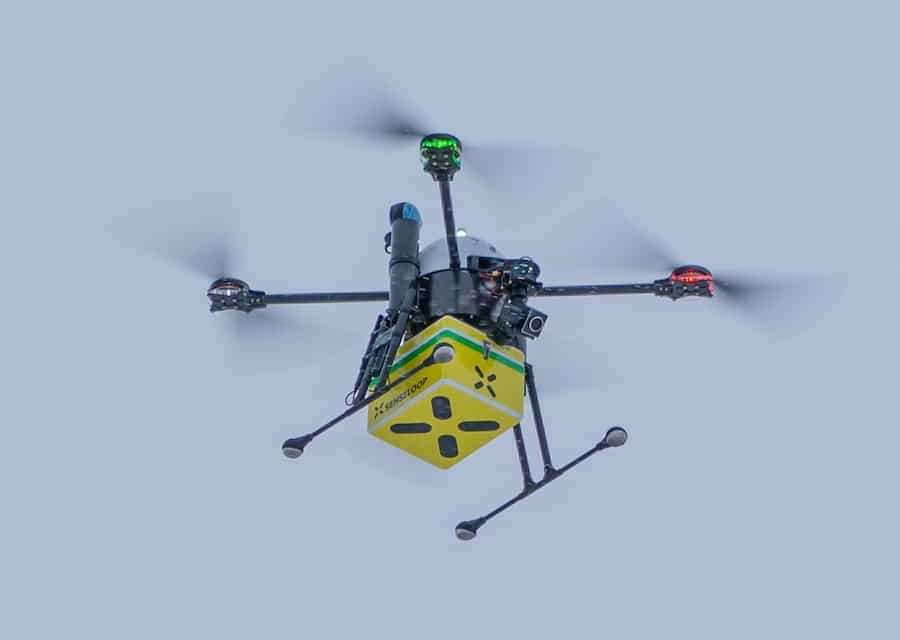
One of SoftRadio’s key strengths is its ability to unify analog, digital, and IP-based radios into a single virtual operator environment. For agencies operating both traditional patrol boats and modern surveillance drones, this eliminates communication silos and enables centralized command and control.
Key features for maritime and border operations include:
- Bridge alert and distress integration
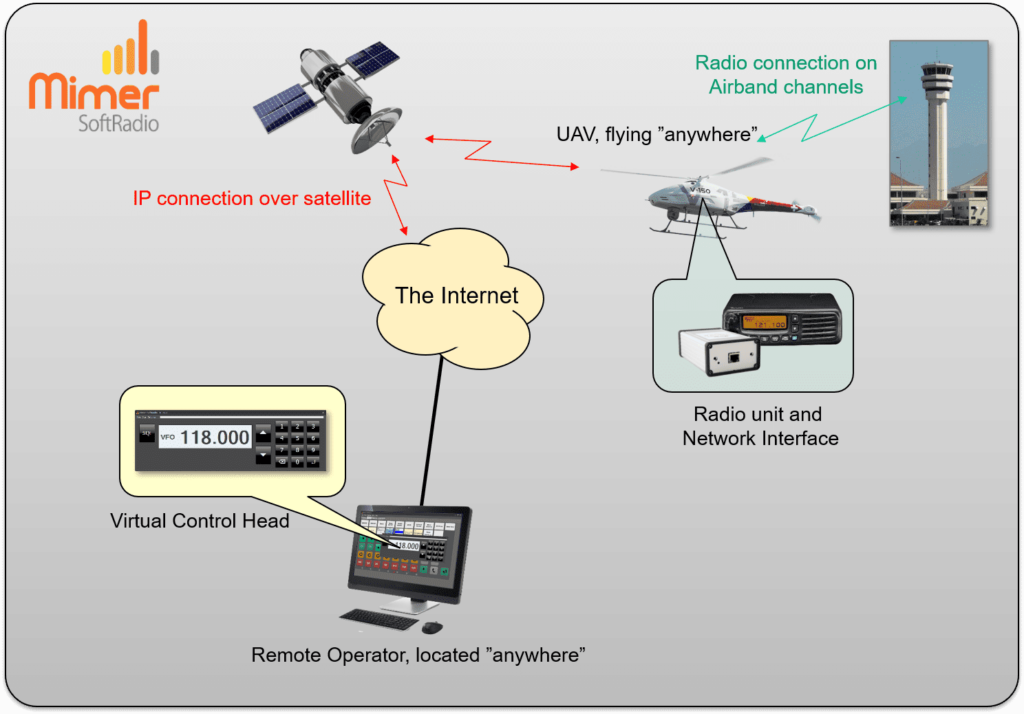
- Remote radio control over IP
- Support for new-generation radios like Sailor 7222
- MapView location tracking for units and assets
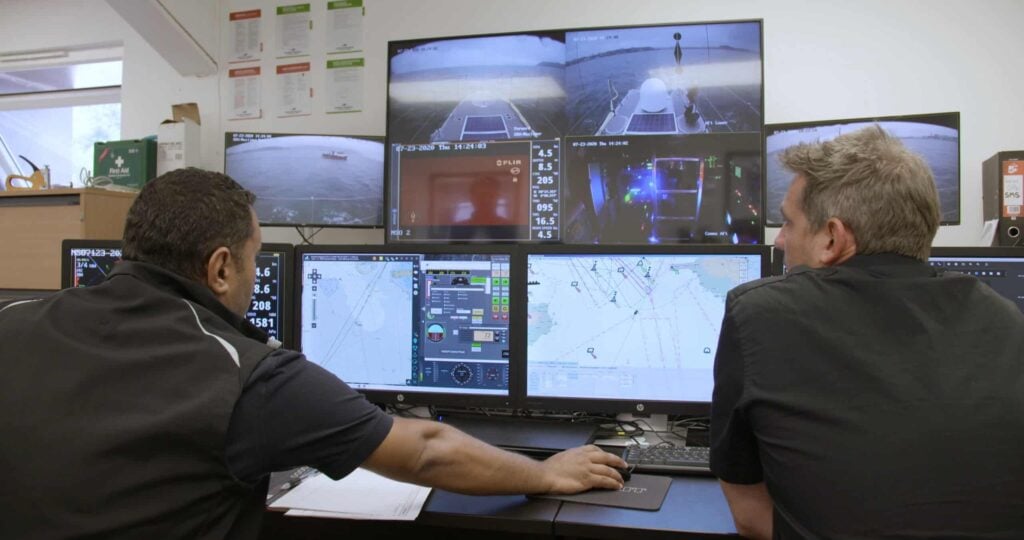
This allows command centers to maintain situational awareness and make quick decisions, regardless of the platform in use.
Reliable Communication, Wherever It’s Needed
Whether on coastal surveillance vessels, unmanned maritime platforms, or forward-operating border units, SoftRadio enables teams to maintain voice contact with high reliability and low latency. The system is designed to work with minimal bandwidth and is scalable from small patrol groups to nationwide networks.
Combined with tools like Mimer VoiceLog, agencies also gain full visibility and traceability of all communication, a must for audit trails, incident analysis, and regulatory reporting.
A Smarter Path to Digitalization
Instead of investing in a full system overhaul, SoftRadio empowers agencies to extend the lifespan of their existing radios, bridge technological gaps, and begin modernizing at their own pace. It’s a step-by-step strategy for aligning communication systems with current and future operational needs.