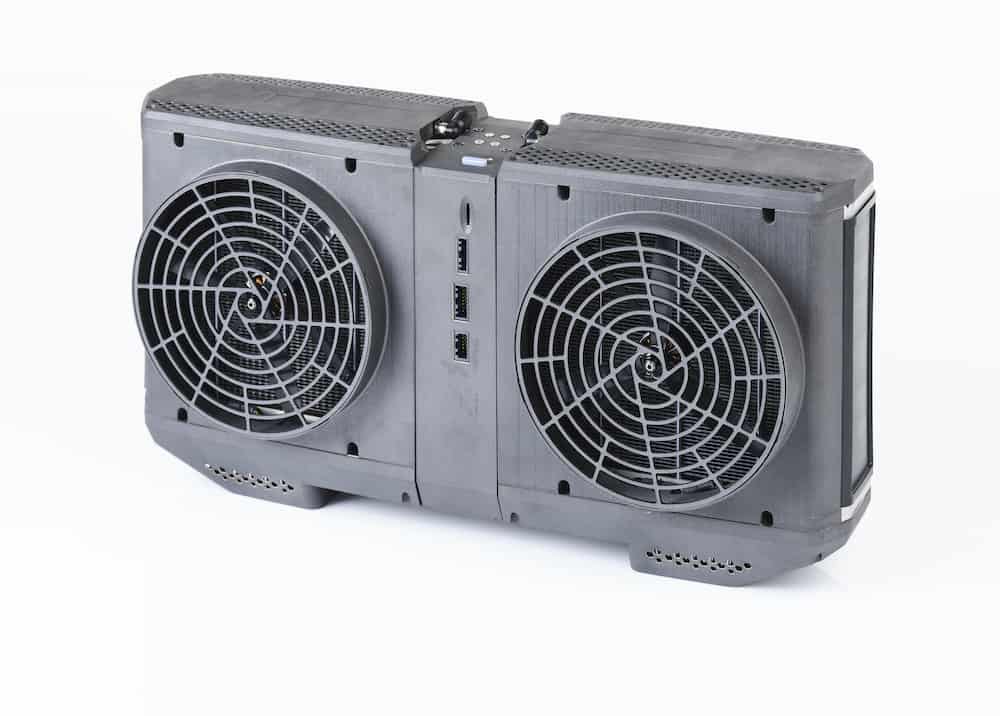
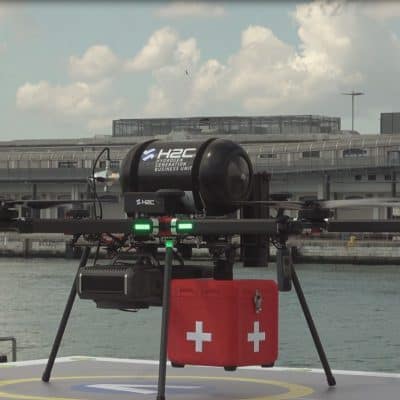
Intelligent Energy is a developer of Proton Exchange Membrane (PEM) fuel cell technology for drones and Unmanned Aerial Vehicles (UAVs).
 In this Q&A, Andy Kelly, Head of Product Line at Intelligent Energy, discusses how their IE-SOAR™ hydrogen fuel cells enhance UAV endurance, support hybrid power configurations, minimise operational downtime and reduce emissions and noise. He explains the advantages of fast refuelling, extended flight times and near-silent operation across commercial, urban and defense missions.
Why are hydrogen fuel cells becoming a preferred power solution for extending UAV endurance?
As UAV use grows across commercial and military sectors, endurance has become a crucial performance metric. Whether for Intelligence, Surveillance and Reconnaissance (ISR), mapping or cargo delivery, operators need drones that stay airborne longer and cover greater distances. Lithium-ion batteries limit this due to their restricted energy density and slow recharging cycles.
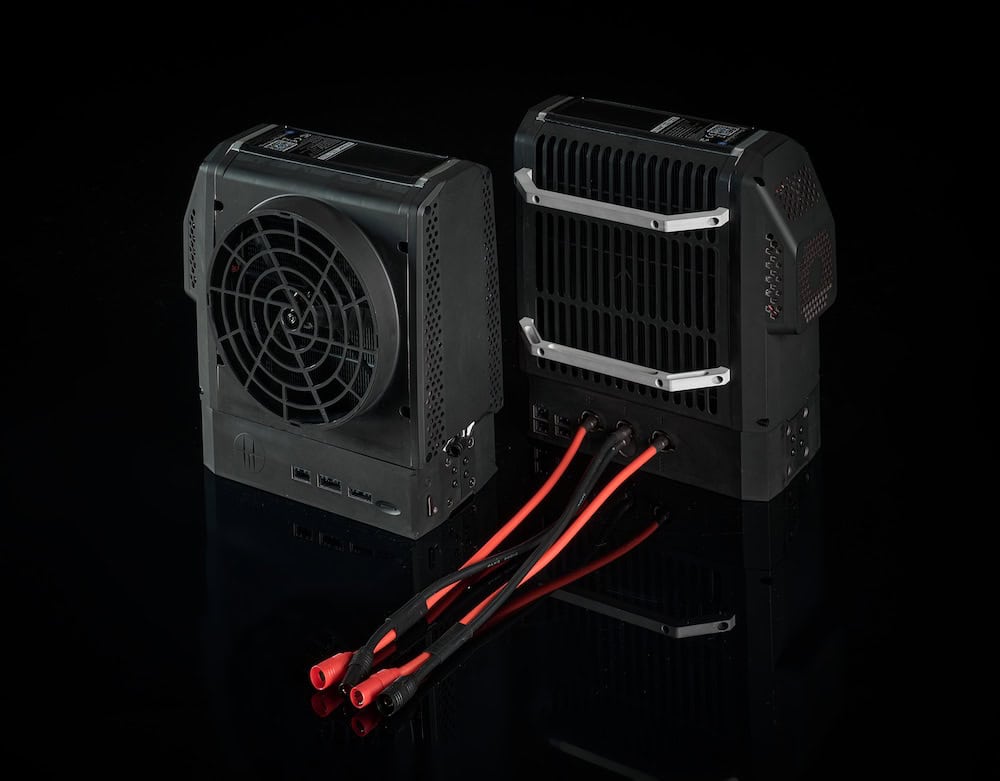
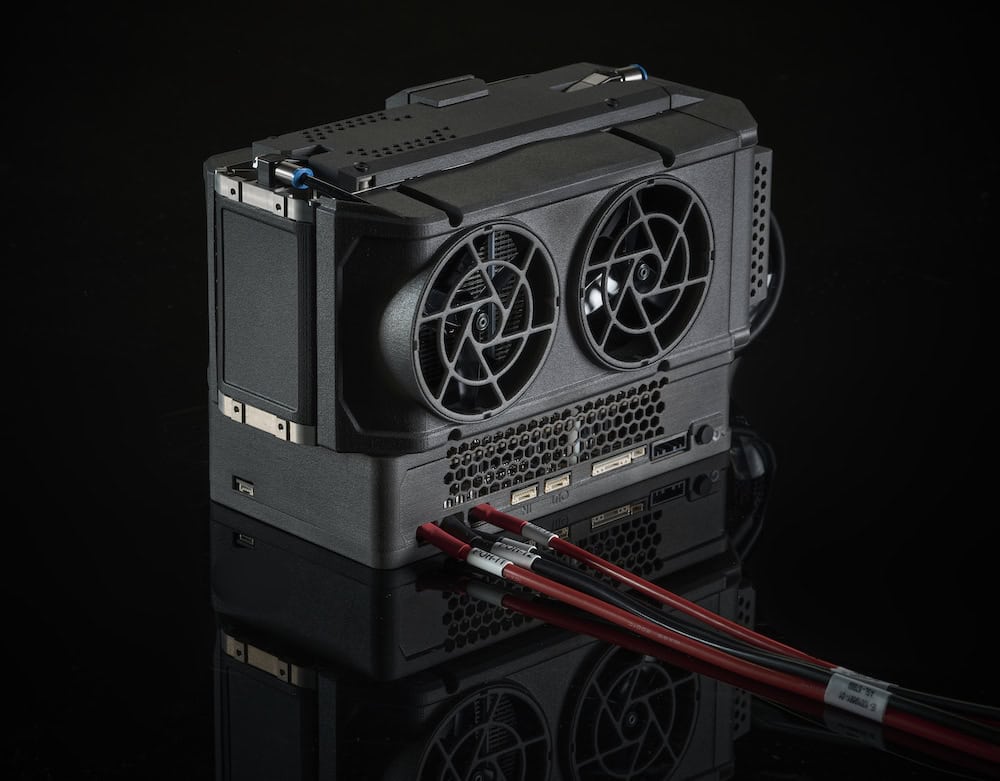
IE-SOAR™ 800W Fuel Cell Module
Hydrogen fuel cells offer a more efficient alternative. Intelligent Energy’s IE-SOAR™ modules, including 2.4 kW systems, provide three to five times longer flight durations than battery-powered platforms, enabling UAVs to fly further, gather more data and complete complex missions without interruption.
In practice, this means broader coverage in ISR operations, the ability to map large areas in a single flight, and greater range for cargo delivery, especially in remote locations where quick refuelling offers a major advantage over batteries.
Why do UAVs benefit from hybrid fuel cell–battery power systems?
As UAVs take on increasingly demanding missions, from precision mapping and parcel delivery to defense surveillance and emergency response, the need for robust, high-performance power solutions continues to grow.
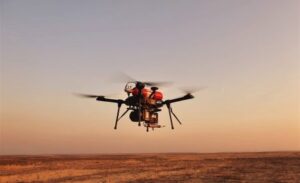 Hydrogen fuel cells already deliver exceptional endurance, but when paired with batteries in a hybrid configuration, they unlock greater capabilities: handling peak power demands, improving responsiveness and providing the operational flexibility modern missions require. Fuel cells deliver steady, continuous power ideal for cruising and data collection, while batteries manage sudden power surges during take-off, landing or rapid manoeuvring. This dual-source architecture also adds redundancy, ensuring flight integrity if one system falters.
How are Intelligent Energy’s IE-SOAR™ fuel cell modules designed for hybrid UAV integration?
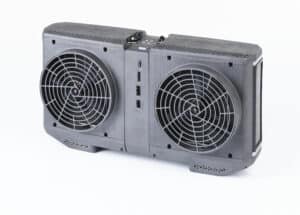
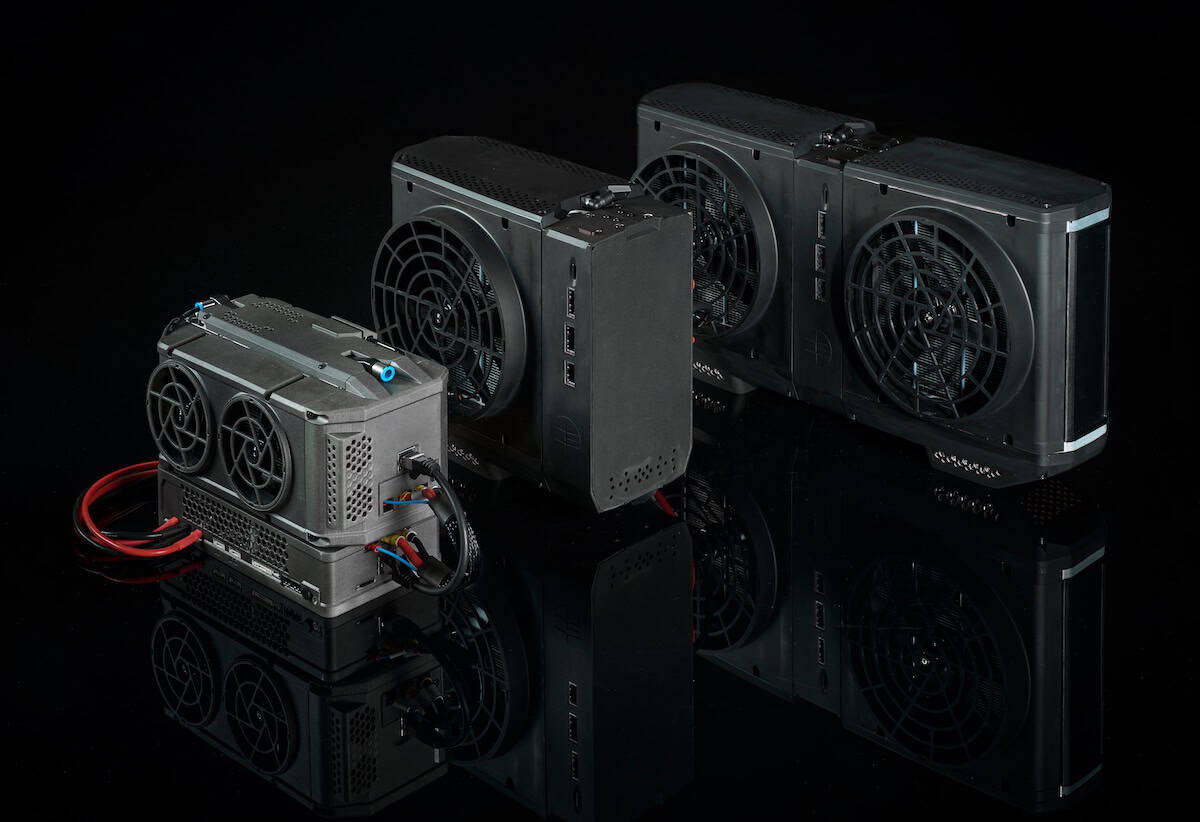
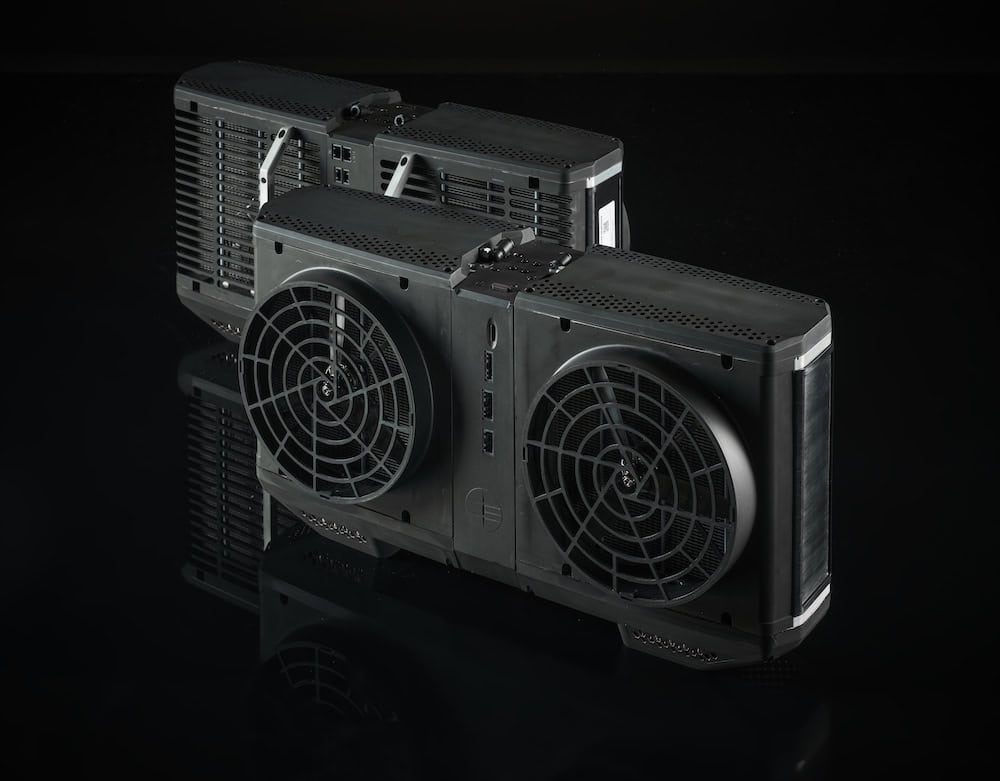
IE-SOAR 2.4kW
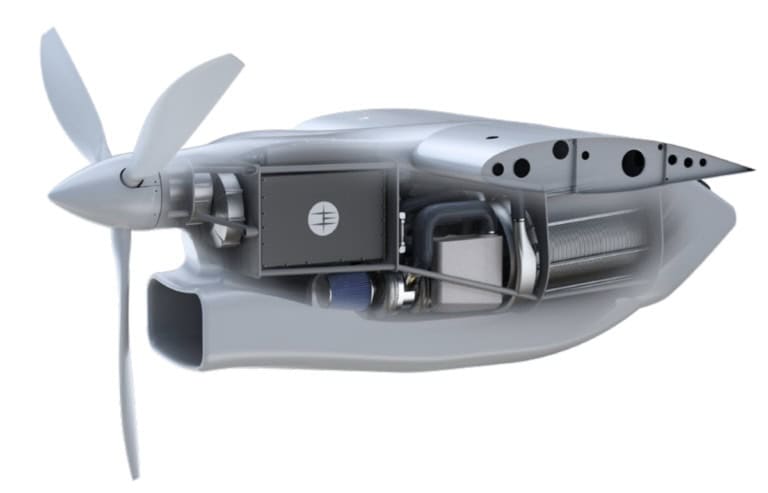
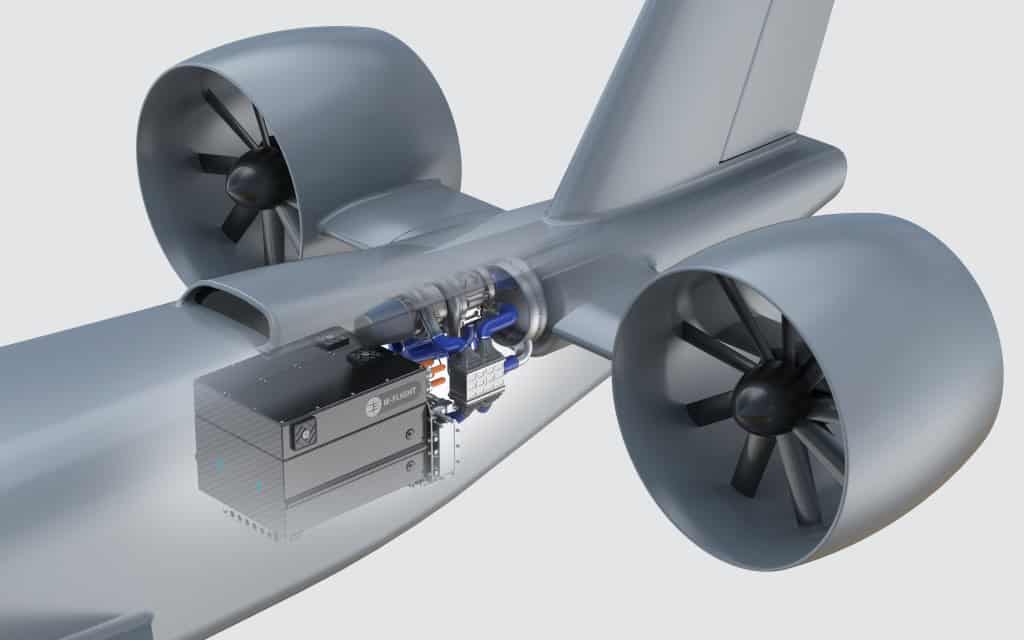
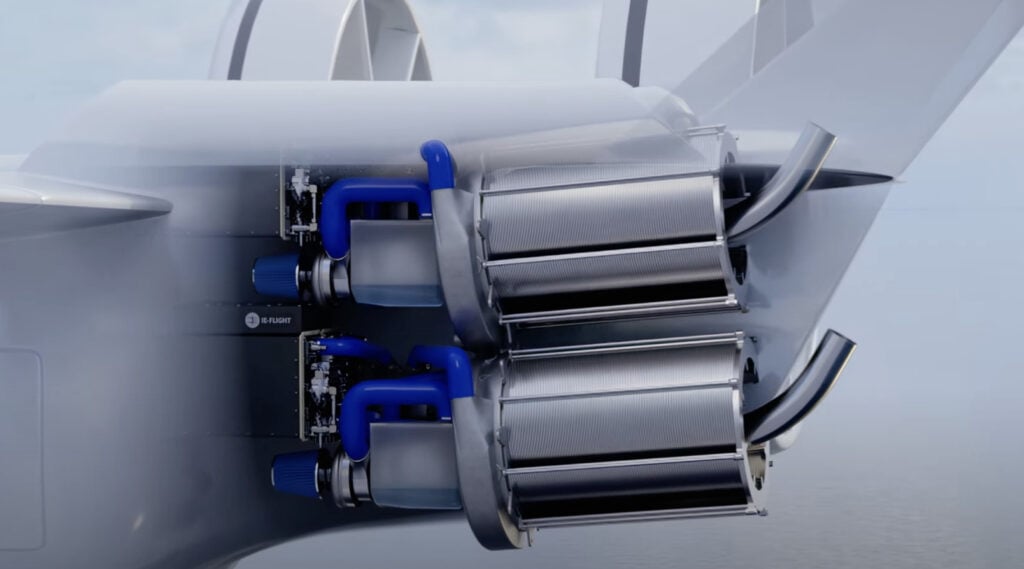
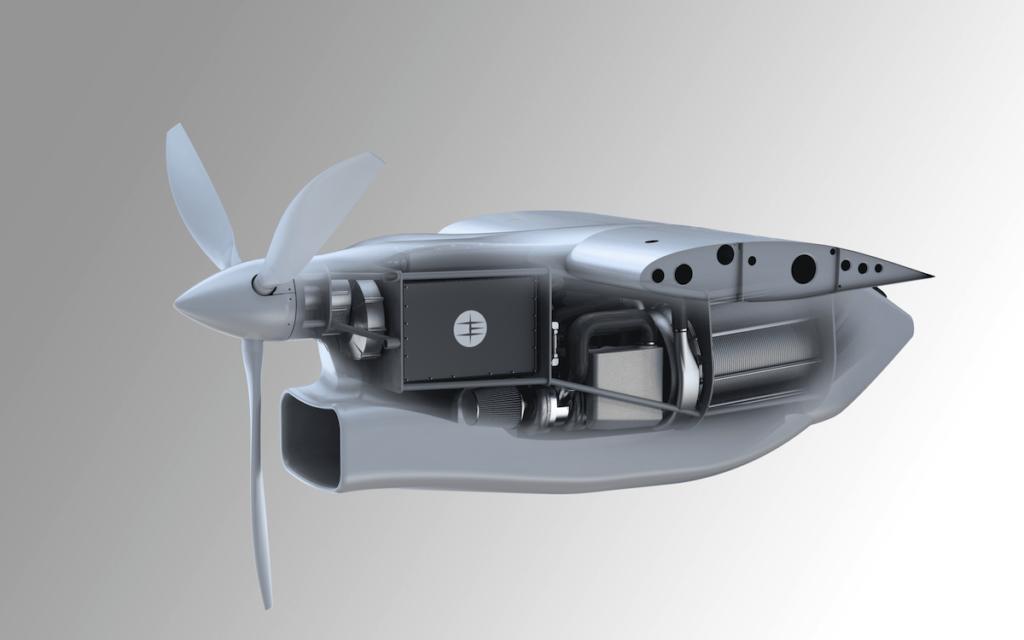
Intelligent Energy’s IE-SOAR™ fuel cell modules are engineered to work seamlessly in parallel with onboard batteries, offering clean, quiet and scalable power from 800 W to 2.4 kW for fixed-wing, rotary-wing and Vertical Take Off and Landing (VTOL) platforms.
The company’s hybridisation system manages the combined setup automatically, is highly customisable and includes built-in battery charging. By integrating fuel cells with batteries, operators can meet fluctuating power demands without compromising flight time or payload, particularly valuable for VTOL drones, which rely on short, high-power bursts during vertical lift and descent.
What operational advantages do hydrogen fuel cells offer through fast refueling compared to the long recharging times of lithium-ion batteries?
Whether responding to emergencies, inspecting pipelines, conducting surveillance or executing Beyond Visual Line of Sight (BVLOS) missions, UAV operators rely on power systems that minimise downtime and maximise readiness. This is where hydrogen fuel cells offer a clear edge over traditional battery technology. Lithium-ion batteries, although widely used, suffer from long recharging cycles that can leave UAVs grounded for hours between missions. In time-sensitive operations, this delay can significantly impact mission effectiveness.
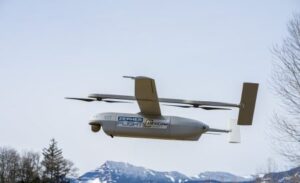 By contrast, Intelligent Energy’s hydrogen fuel cell systems can be refueled in just a few minutes, with hydrogen cylinders swapped directly on the airframe. This fast turnaround allows UAVs to return to the air almost immediately after landing, providing higher operational efficiency and reducing total cost of ownership for operators running repeated or lengthy missions.
Hydrogen fuel cells are especially well-suited to mission-critical applications where endurance and responsiveness are essential. In defense and surveillance roles, UAVs benefit from the low acoustic and thermal signature of fuel cells, along with longer airtime and rapid refueling for continuous coverage. For BVLOS operations, such as long-range inspection, environmental monitoring or border patrol, fuel cells deliver the extended flight times and minimal downtime needed to cover vast areas effectively.
How do hydrogen fuel cells help reduce UAV emissions and noise in environmentally sensitive, urban, and defense applications?
As UAV use grows across environmental, urban and defense missions, demand is rising for cleaner, quieter and more sustainable power systems, as battery-powered drones often face limits in flight duration, payload and noise. Intelligent Energy’s IE-SOAR™ hydrogen fuel cell modules, designed for fixed-wing, rotary-wing and VTOL platforms, deliver zero-emission operation and near-silent performance, ideal for missions where environmental impact or discretion is critical.
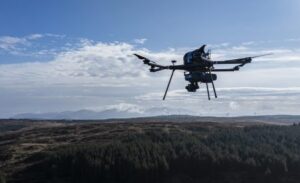 In environmental monitoring, fuel cell-powered UAVs can fly longer and cover wider areas without contributing to local pollution, a key advantage when studying ecosystems or air quality. In urban settings, such as parcel delivery or infrastructure inspection, their quiet operation reduces noise pollution and improves acceptance in densely populated areas. For defense and stealth applications, the low acoustic signature and extended endurance of hydrogen-powered drones offer tactical benefits that battery systems cannot match.
Beyond individual use cases, IE-SOAR supports the industry’s wider transition toward sustainable aviation technologies. As regulators and operators push for lower carbon footprints and smarter energy solutions, hydrogen fuel cells are emerging as a key enabler of next-generation UAV capabilities. With refueling times measured in minutes, far shorter than battery recharging cycles, operators also gain reduced downtime and greater mission readiness.
Thank you for your time. It has been a pleasure speaking Andy, and we look forward to following the continued development of your hydrogen fuel cell technology and its growing adoption across commercial, defense, and emerging UAV applications.