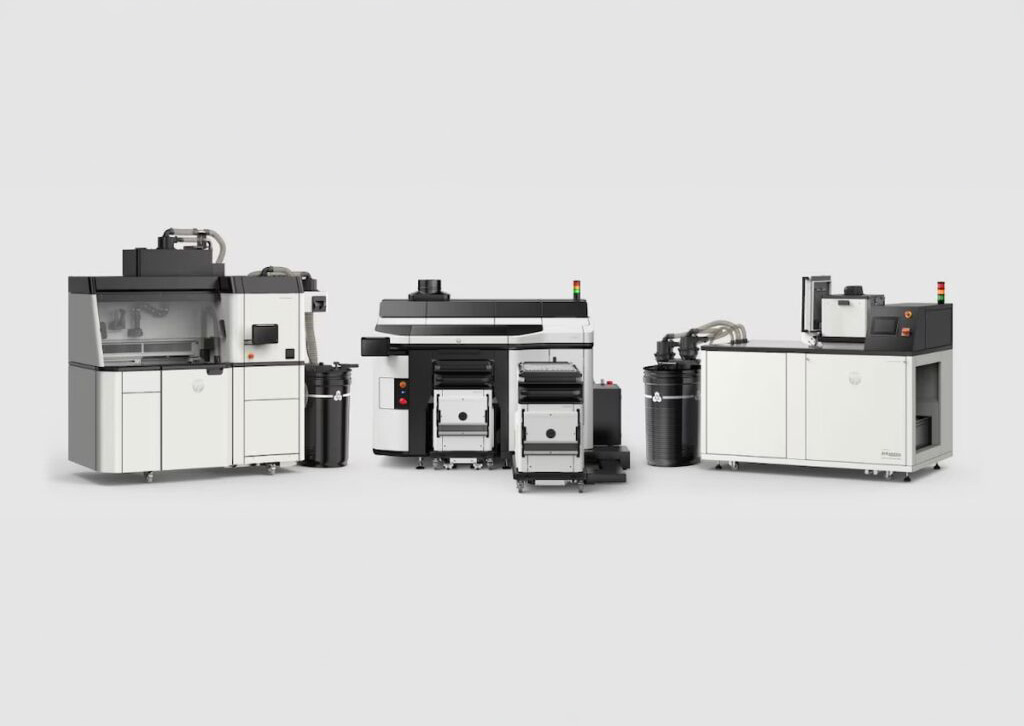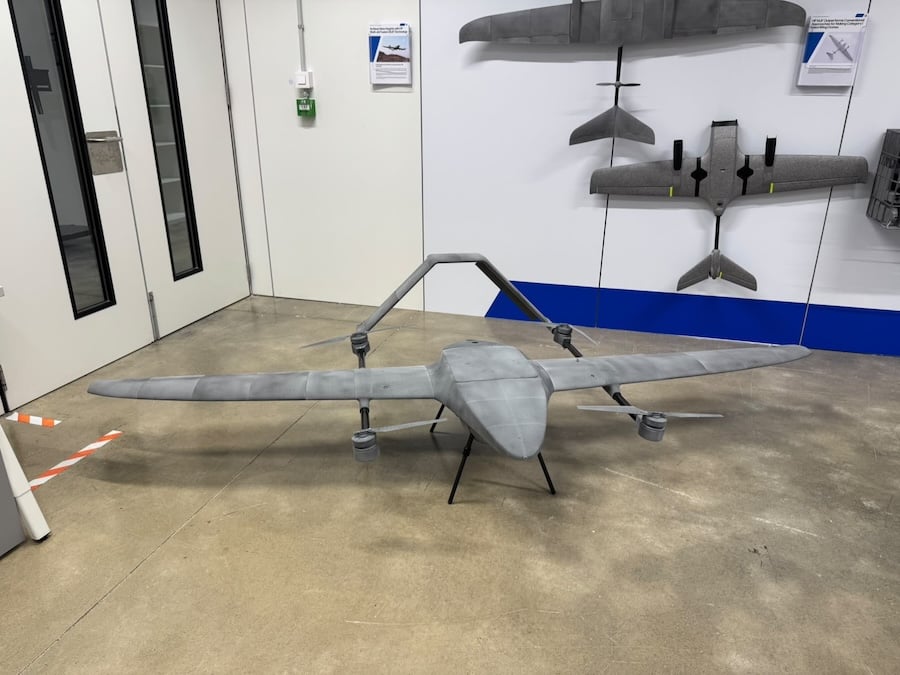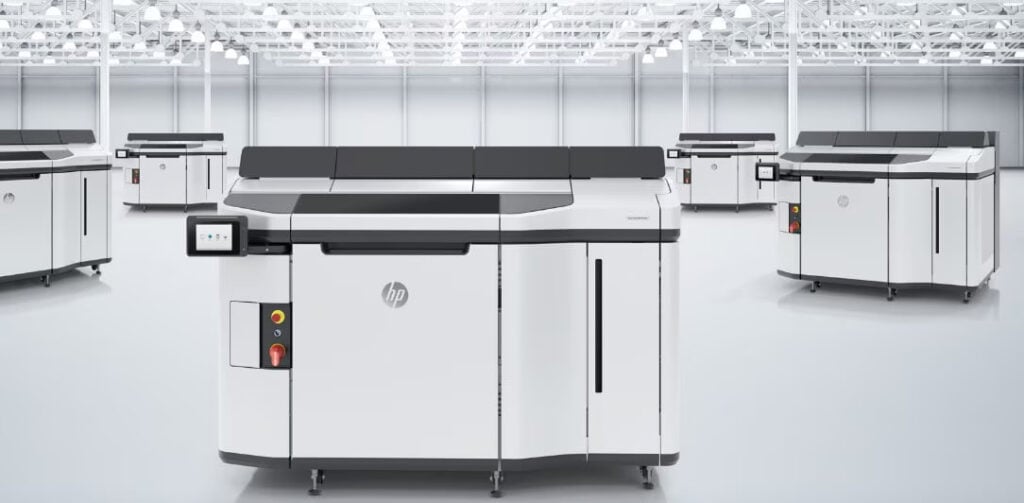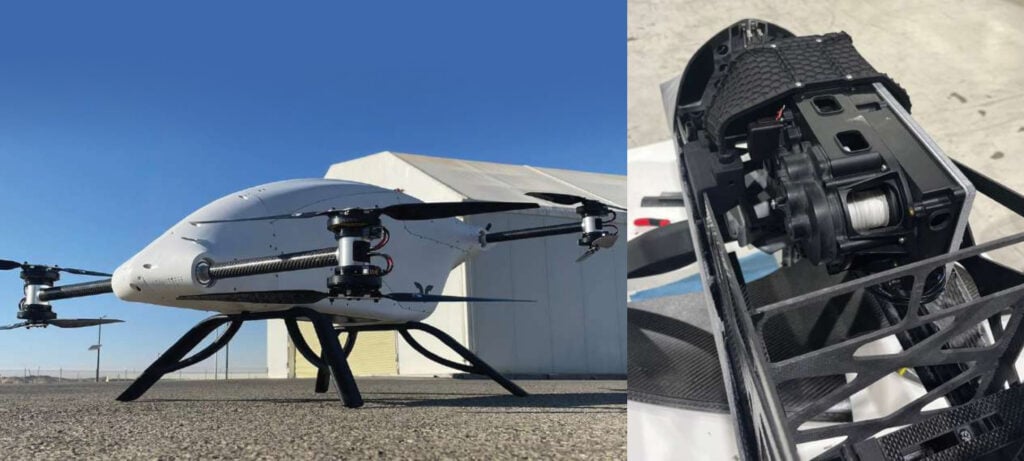

HP Additive’s Multi Jet Fusion (MJF) 3D printing technology, combined with Autodesk Fusion’s CAD/CAM and 3D build preparation capabilities, have transformed NECO’s manufacturing of complex parts for UAVs, aiding quality and consistency.
NECO, a Texas-based, veteran owed, OEM additive manufacturer, develops high-quality 3D printed parts for industries with exacting standards, having achieved AS9100 certification for its UAV design and production initiatives.
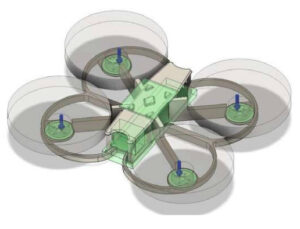
However, traditional injection molding posed challenges for the company. The high tooling costs limited innovation and rapid iteration, with design constraints also restricting complex geometries and optimized part performance.
The adoption of HP MJF technology removed the need for expensive tooling, enabled on-demand production, reduced costs, and enabled the manufacturing of intricate designs previously unattainable with injection molding.
Using HP’s technology, NECO has produced over a million 3D printed parts, with a high level quality and consistency meeting high-performance standards, including the ability to pass critical aerospace burn tests.
NECO’s collaboration with Autodesk has also allowed for integration and personalization of the Fusion 360 CAD software, ensuring a seamless transition, and maximizing workflow benefits.
Autodesk Fusion has enabled an enhanced assembly workflow, since NECO can work on entire assemblies within a single drawing, modifying components concurrently. This has streamlined the design process, saving time and reducing complexity.
NECO’s integrated customer service approach includes reproducing parts from drawings and designing parts based on customer specifications. Fusion enables customers to send assembly files giving a clear view of how parts fit together.
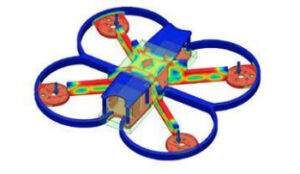
This improves manufacturing efficiency, showing how the final assembly should look and enabling optimal part positioning for 3D printing.
The combination of HP MJF and Autodesk Fusion has created an integrated workflow, allowing NECO to consistently and precisely manufacture end-use parts and isotropic, durable components ready for immediate use.
This moves beyond prototyping associated with traditional 3D printing technologies, like FDM.
These printing capabilities have also enabled design innovation, allowing NECO to produce lightweight, high-performance UAV components with integrated lattice structures for optimized heat dissipation and structural integrity.