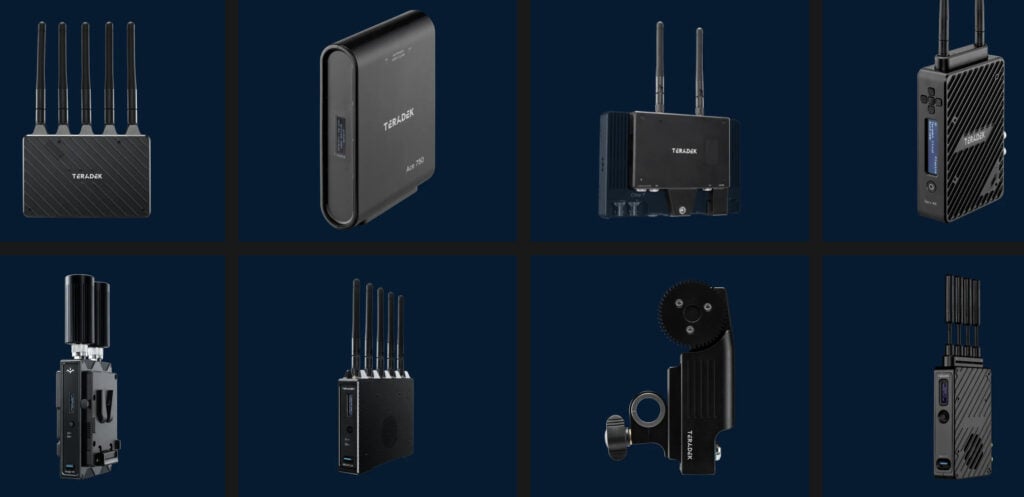
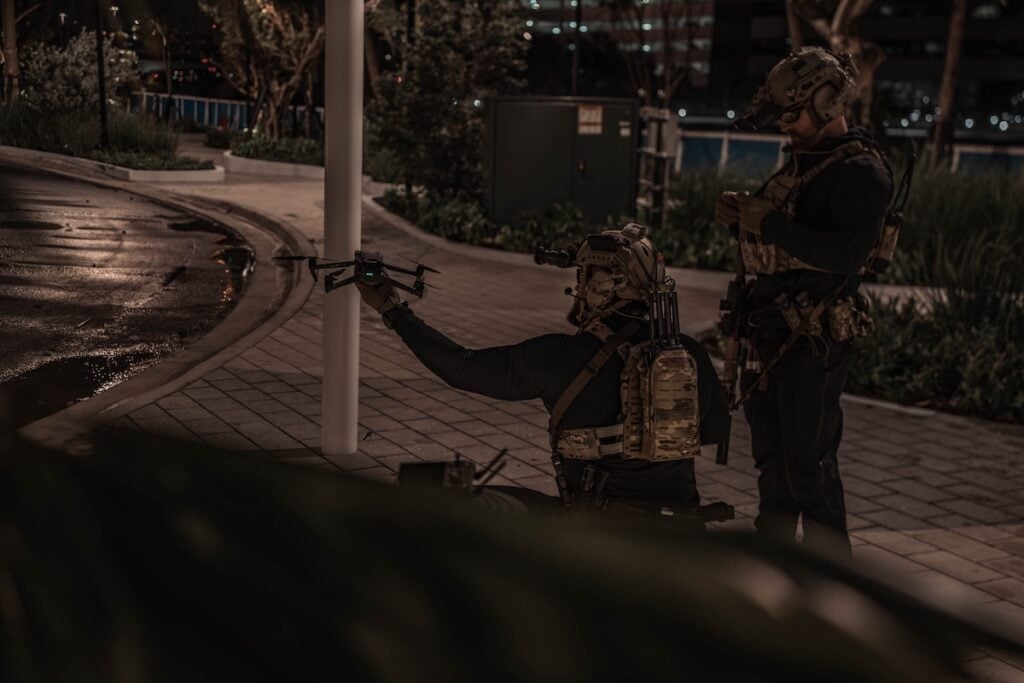
Greg Dubar, Global Director of Sales – Public Safety & Defense at Teradek discusses how the company’s wireless video and network bonding technologies are evolving to support unmanned and autonomous systems.
The Q&A explores the role of ultra low latency video transmission, 5G and LEO satellite aggregation, and resilient communications for ISR, public safety, and BVLOS operations. The discussion also examines lessons from real world deployments, emerging connectivity requirements, and how Teradek is adapting its portfolio to meet the demands of next generation unmanned missions.
Teradek has long been associated with professional wireless video transmission. How has the company’s technology evolved to meet the unique requirements of unmanned and autonomous systems?
Greg Dubar, Global Director of Sales – Public Safety & Defense at Teradek.
With the launch of the Bolt and Ranger products, Teradek has dominated wireless video transmission in the entertainment industry. This was the result of the products’ ultra low to no latency performance. This capability built upon Teradek’s core IP in the video encoding and decoding segment where Teradek supports more video protocols than any other competitor.
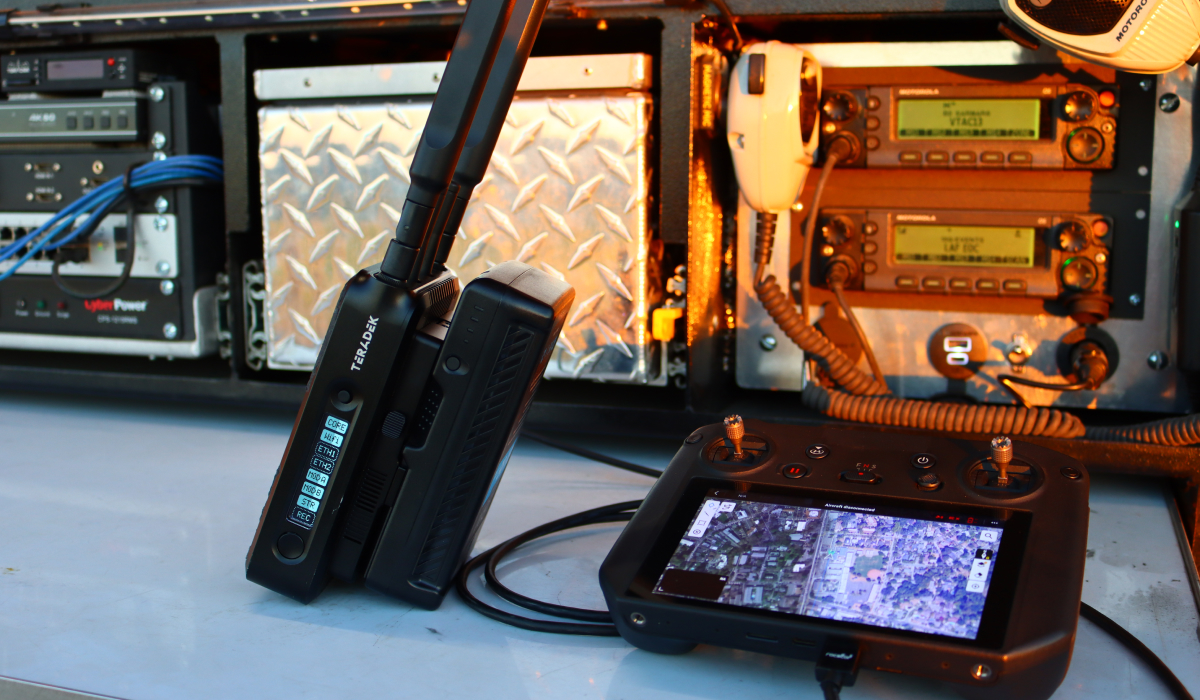
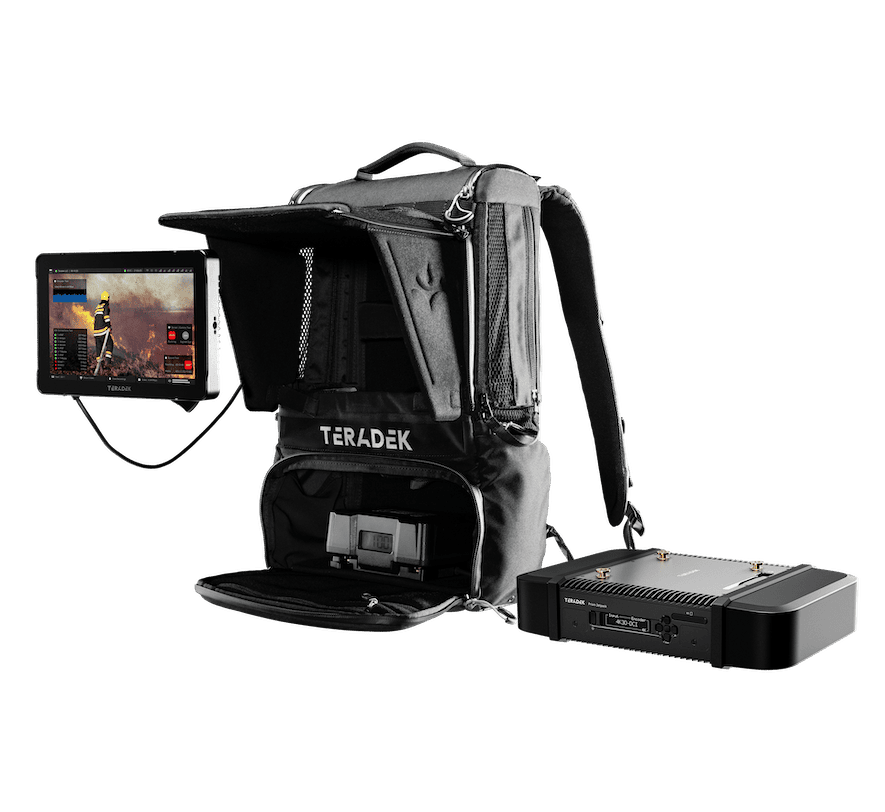
The final piece to support distributing Full Motion Video to any team member requiring access to it in the unmanned systems space was developing network bonding capabilities within the product family. With the launch of Prism Mobile and Prism JetPack, Teradek can aggregate multiple cell carrier SIM throughputs, as well as multiple Low Earth Orbiting (LEO) satellite units like Starlink.
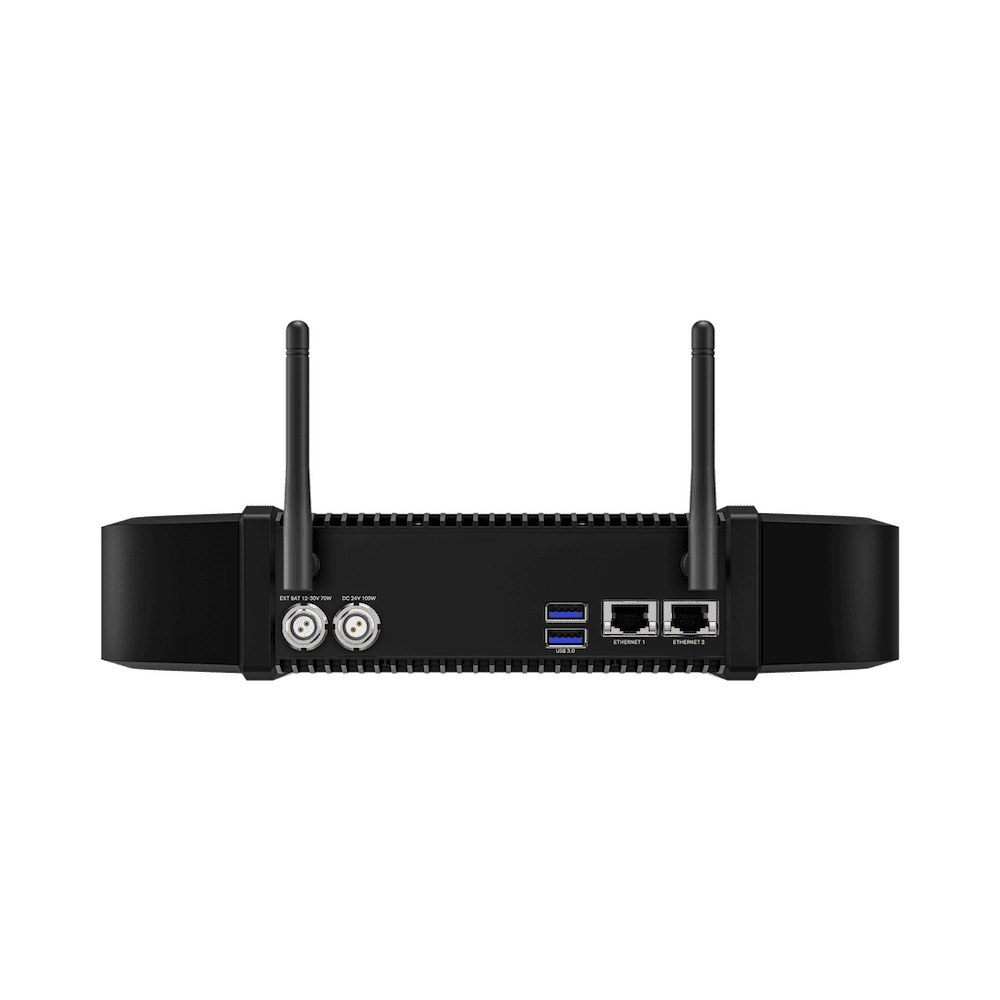
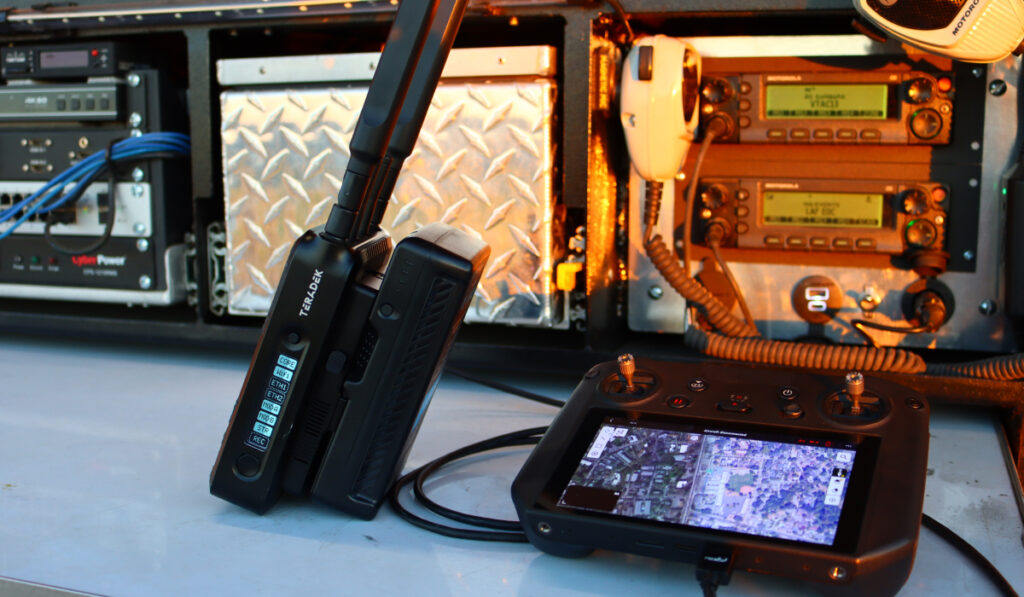
This allows any UAS pilot or robot driver to instantly share video out of their controller’s HDMI, SDI, or WiFi via a Prism device. The latest evolution for Teradek is the launch of Link, a full network bonding router that can provide full internet access for any device or protocol for UAS command vehicles.
Teradek’s Prism Mobile platform combines 5G connectivity, cellular bonding, and ultra-low-latency video transmission. How do you see technologies like Prism Mobile supporting UAV operations in environments where traditional communications infrastructure is unavailable, degraded, or contested?
For UAV operations in environments where traditional communications infrastructure have been impacted, Teradek’s technology can assist those agencies in a couple of ways. First, in the instance of poor cellular infrastructure, if a single SIM from a given carrier can only provide 0.5Mbps uplink, and a second SIM from a given carrier can only provide 1.0Mbps uplink, the UAS pilot will not be able to share any type of video off of a single cell modem connection. The available uplink bandwidth is too low. By bonding the multiple carriers together, aggregation, not failover, the pilot can start making progress in getting video out to the team. Teradek’s Prism solutions can bond 2-8 cell modems together from multiple carriers, including Private 5G.
Second, if the pilot has access to a LEO device, like Starlink, the uplink from that unit can also be aggregated into the mix for an even fatter uplink pipe. The pilot would connect his controller via WiFi, HDMI, or SDI to the Prism device and the Prism device would be connected to the Starlink. Teradek’s bonding software will take advantage of the full uplink bandwidth available across all the sources.
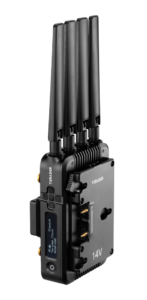
Teradek Prism Mobile.
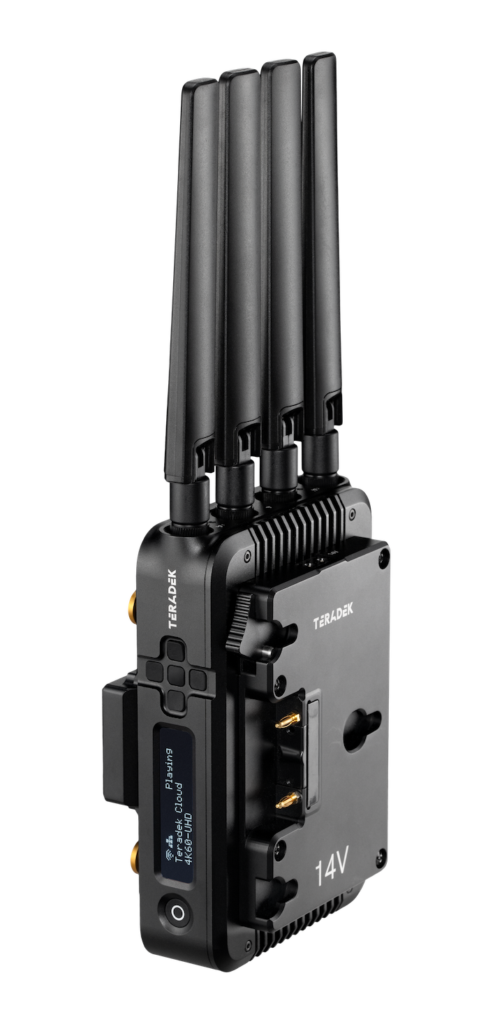
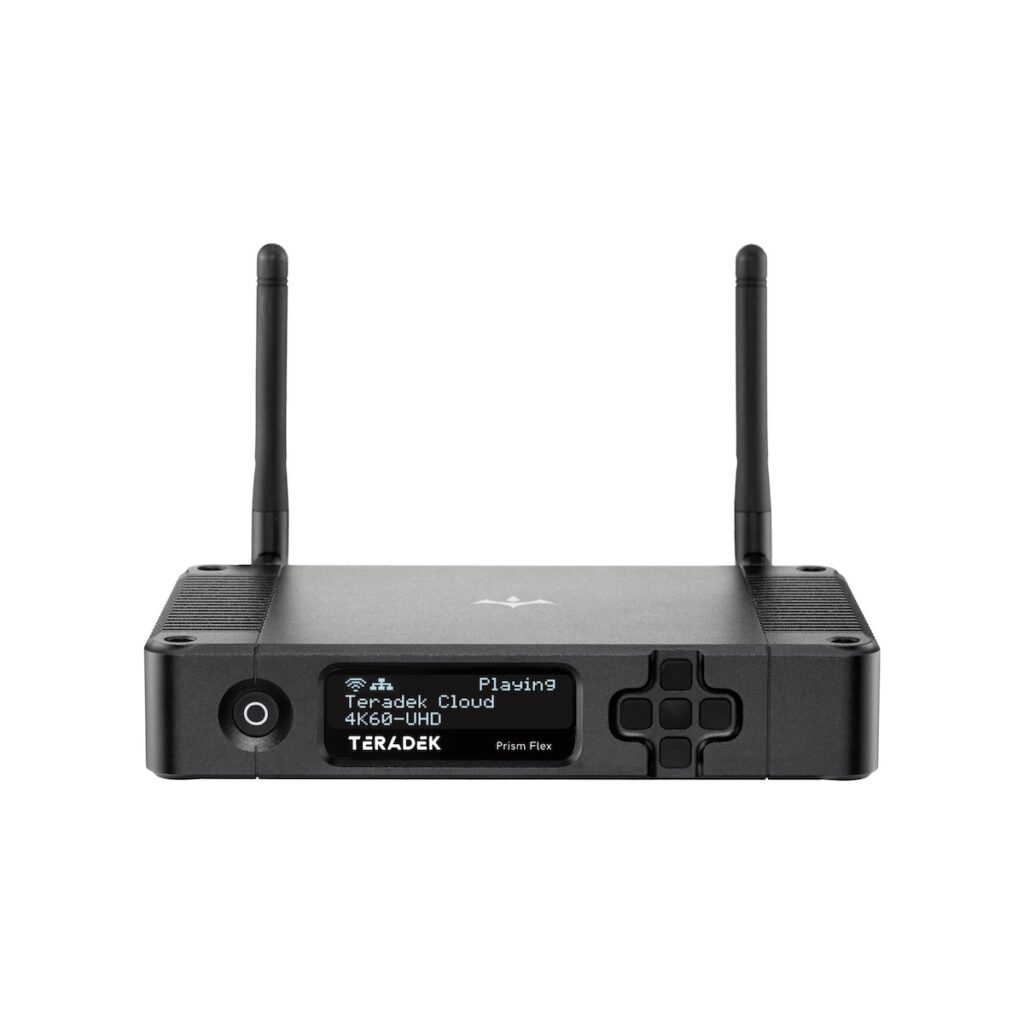
Lastly, for contested or jammed environments, the only real option available is to leverage MANET radios from vendors, like Silvus or Trellisware, to get the video feed back to an area that can utilize Teradek’s PRISM, PRISM Jetpack, or LINK as the uplink for the MANET network. In this scenario, the UAS pilot would have a PRISM Flex encoder (no SIM capability) connected to his controller. The Flex encoder would be tied into the MANET radio via it’s primary cable. The Full Motion Video packet would then be transmitted across the MANET to a safer uplink location where the other Teradek product would be.
As unmanned systems become increasingly important for ISR, search and rescue, and public safety missions, what are the biggest challenges operators face in maintaining reliable real-time video links, and how is Teradek addressing these challenges through its networking and transmission technologies?
Unmanned systems have become an important tool for public safety, ISR and SAR missions. UAS vendors of Type III and Type IV aircraft have integrated technologies for BLOS Command & Control (C2) other than some proprietary wifi or cell based technology, like MANET radio modules or traditional satellite. As modules for communications technologies reduce their SWAP, UAS vendors of Type II and Type 1 aircraft have started to look at these as well.
Even with cell carriers implementing dedicated public safety bandwidth, like AT&T’s Firstnet, Verizon’s Frontline, or T-Mobile’s Priority, the cell towers get overwhelmed during major events, including those public safety set-asides. QOS set-asides is not the same as dedicated public safety infrastructure. Unmanned teams know this going into an impacted area. They know what to expect in a disaster zone, in a SEAR 1 event area, or out on a mountain top.
Teradek’s network bonding technology allows teams to maximize what bandwidth a given geographic area can provide across all carriers and LEO providers. Having a Prism Jetpack or LINK product with 8 SIMs and two LEO devices would be the best solution possible. Pilots should have SIMs from all three carriers available going in, run a quick scan to see what carriers are performing, load those SIMS and execute the mission.
As Private 5G’s awareness builds in public safety, this will ultimately be the operational tactical bubble that agencies will rely on because it will be it’s own dedicated, agency owned network, that can span 2-7km in diameter. Teradek’s solutions can operate in Private 5G environments already with it’s network bonding ability.
For operators conducting BVLOS drone missions, communications resilience can be mission-critical. What capabilities within the Teradek portfolio are particularly well-suited to supporting long-range and beyond-visual-line-of-sight operations?
Teradek supports operators conducting BVLOS and long range drone missions in a few ways.
Drone vendors will determine based off of SWAP which type of radios should be integrated into their platforms. Right now you see proprietary Wi-Fi, single cell modems, and most recently with BRINC, and integrated Starlink module. PACE is starting to become an adopted strategy for these vendors realizing that you need more than one way for C2 for the aircraft, as well as Full Motion Video. Network Bonding capabilities have not made it to the aircraft yet.
The Russia-Ukraine war has proved that wireless C2 in a war zone is not effective, unless it’s a larger bird with MANET capabilities and sophisticated LPD/LPI software running, hence the spiderweb of fiber covering the battlefield now. Teradek allows pilots to leverage whatever C2 capability that the aircraft came with, like MANET.
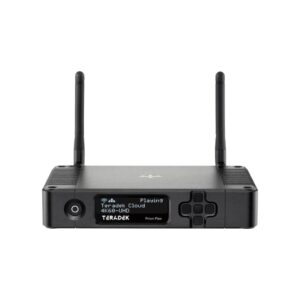
Teradek Prism Flex.
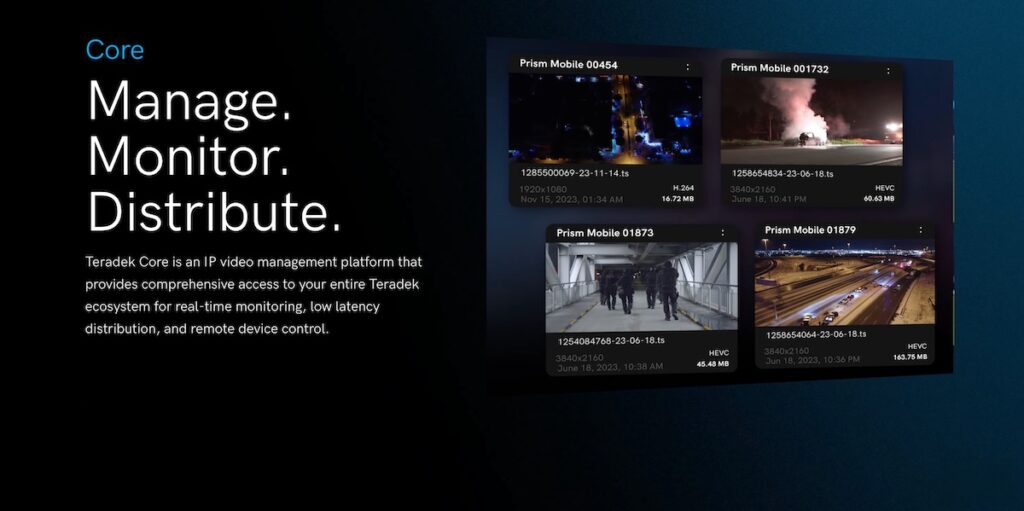
By connecting to the pilot’s controller, Teradek can not only encode the HDMI/SDI video, PRISM can transmit Full Motion Video that the pilot is seeing to anyone in the world. The video can be ingested into any VMS, into TAK, into a TAK like software, or via Teradek Cloud. More importantly for tactical operations, Teradek can also transmit the KLV Metadata.
Looking ahead, what emerging operational requirements do you believe will have the greatest impact on video transport and connectivity for unmanned systems over the next five years, and how is Teradek positioning its product portfolio to meet those needs?
Ukraine has taught everyone a few valuable lessons when it comes to technology.
First, ongoing R&D, rapid prototyping, rapid field testing, and in-country manufacturing are absolutes and no longer optional. Speed has always been an advantage on the battlefield, but it now has to become an advantage in the supply chain and aircraft assembly. Teradek is actively listening to it’s customer base operating in austere environments. Teradek has launched board level solutions, with intentions of reducing it’s SWaP. This is critical to our OEM integration efforts with other hardware manufacturers and systems integrators.
KLV Metadata support was a major capability launched earlier this year at the request of Teradek’s Federal law enforcement partners. Integrating with third party situational awareness packages, like TAK and Apollo, will continue to be important.
Teradek is heavily invested in Private 5G and how that will be adopted within DoW and public safety agencies for certain mission sets. You will have a MANET tactical bubble overlapping with a Private 5G tactical bubble, all feeding back to a core uplink. IP Video is already everywhere in public safety, traffic cams, pole cams, helmet cams, K-9 cams, dash cams, body cams. Having the ability to leverage Teradek’s networking bonding technology across all devices types, protocols, and file types was a major request. The launch of LINK directly addresses those requirements from our end user communities.
Thank you for talking to us, we look forward to hearing more about Teradek’s mission-critical video transmission and streaming solutions for UAVs.