


Fiber Optic Gyroscopes
Discover cutting-edge solutions from 5 leading global suppliers
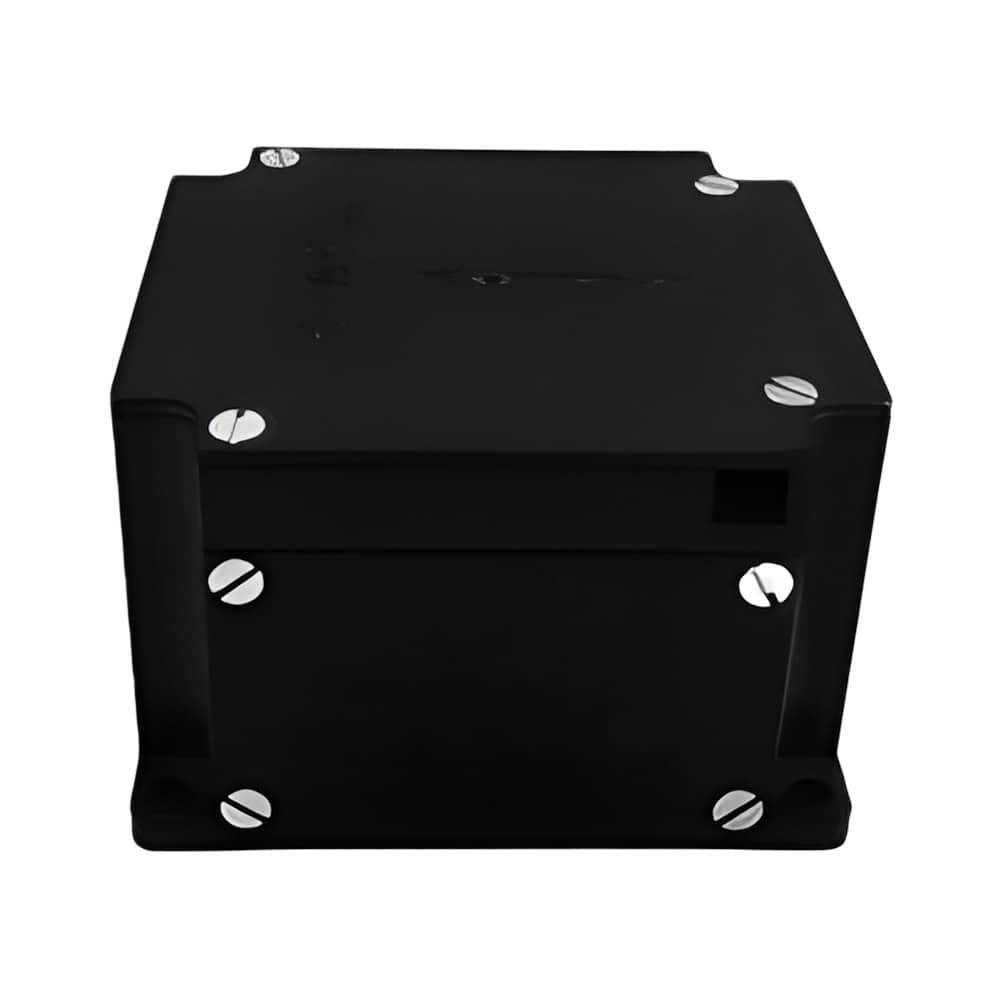
GuideNav, a developer of Fiber Optic Gyroscopes (FOG) for inertial navigation applications, outlines key considerations for selecting a FOG capable of delivering reliable performance in GNSS-denied, high-vibration, and environmentally demanding conditions.
Across unmanned, ground, and maritime platforms, navigation accuracy is often constrained by sensor behavior rather than algorithm design, making FOG selection a critical system decision.

Integration and Interface Compatibility
Effective integration is a primary requirement. Mismatched interfaces, limited documentation, or delayed technical support can introduce schedule risk and additional engineering effort.
Support for standard interfaces such as RS422, CAN bus, and Ethernet, along with access to software tools and documentation, helps reduce integration complexity and accelerates system validation. Early access to engineering support during initial integration and testing further reduces risk and helps prevent downstream redesign.
Interface selection also influences latency, power consumption, and system architecture. Ethernet is commonly used for high-bandwidth airborne and maritime platforms, while RS422 and CAN bus remain prevalent in embedded and vehicle-based systems. Early alignment between sensor interfaces and platform design minimizes redesign and qualification delays.
SWaP and Operational Performance

Beyond datasheet metrics such as bias stability and angular random walk, real-world performance must be validated under representative operating conditions. Field data, temperature and vibration testing, and sustained dynamic operation provide a clearer indication of in-mission accuracy, particularly for platforms operating for extended periods in GNSS-denied environments.
Product Maturity, Supply, and Support
Deployment history is a strong indicator of reliability. Sensors with documented use in operational systems and compliance with standards such as MIL-STD-810 present lower program risk than newly introduced designs. Equally important are predictable lead times, scalable production, and consistent specifications throughout the product lifecycle.
Long-term support also influences total cost of ownership. Recalibration services, firmware updates, and responsive technical assistance help maintain accuracy and extend service life. For international programs, export-friendly sensors further simplify procurement and enable global service access.
Supporting Long-Term Navigation Programs
Selecting a FOG involves more than comparing specifications. It requires confidence in integration, real-world performance, and sustained support. GuideNav addresses these requirements through a broad FOG portfolio designed to support navigation programs from early development through long-term deployment across diverse unmanned and autonomous platforms.
Read GuideNav’s full guide outlining key considerations in Fiber Optic Gyroscope selection.