
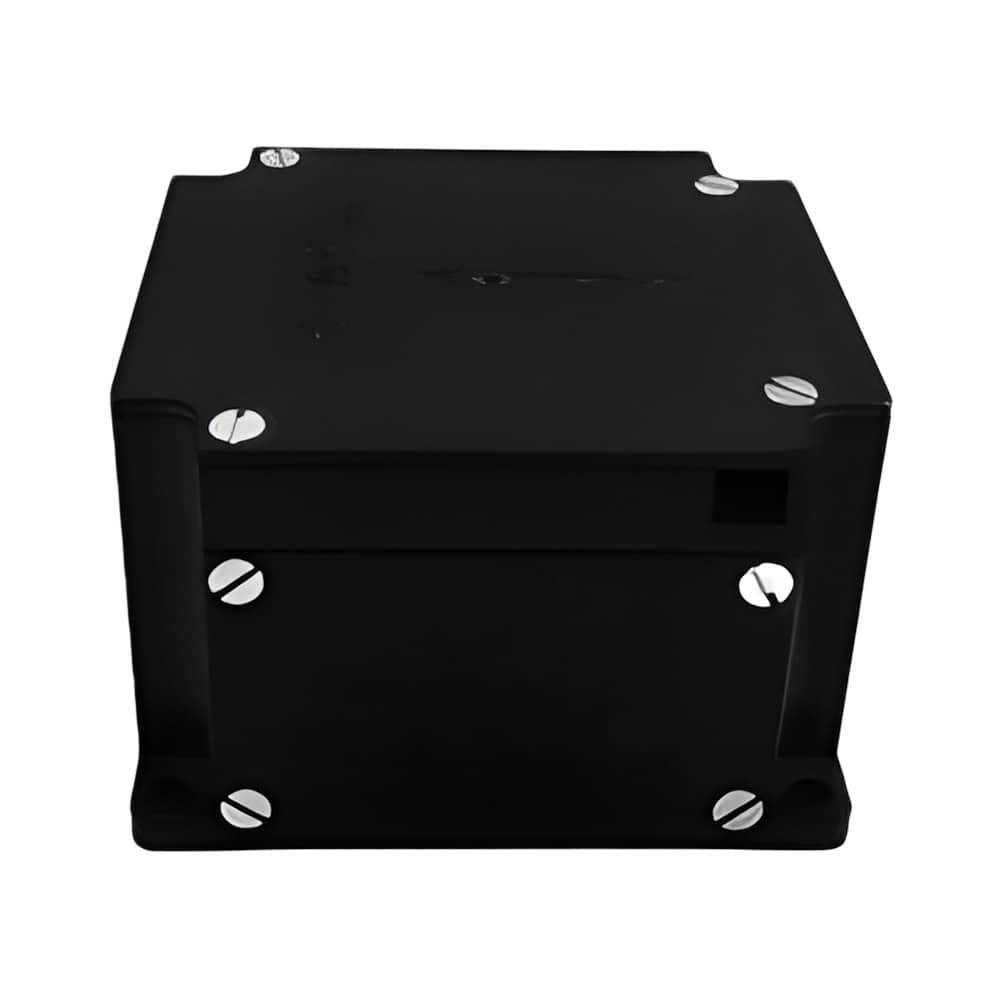
Fiber Optic Gyroscopes
Discover cutting-edge solutions from 5 leading global suppliers
GuideNav, a developer of inertial sensing and navigation systems for UAV applications, provides a detailed overview of Fiber Optic Gyroscopes (FOGs) and the calibrated system framework to ensure long-term stability, durability, and precision during mission-critical navigation systems. Read more >>
Unlike mechanical or MEMS gyros, FOGs leverage light traveling through optical fiber coils to detect rotation, eliminating mechanical wear and enhancing reliability. With proper integration and maintenance, these sensors can operate for over 10 years with bias drift below 0.01°/hr, and military-grade units often achieve MTBF ratings above 150,000 hours.

The article explains calibration is essential for maintaining long-term accuracy and serves as a form of risk management, as temperature changes, connector wear, and electronics aging can introduce bias and scale errors. FOG recalibration involves bias modeling, scale factor adjustment, axis alignment verification, and environmental correction.
The company also discusses maintenance practices, such as power lines integrity tests and internal bias monitoring, as well as highlighting FOG failure modes with specific prevention strategies. Proper mounting, EMI-filtered power, and monitoring are vital to sustain performance.
To find out more information read the full article here >>