Forcys examines how increasingly accessible Autonomous Underwater Vehicles (AUVs) and Unmanned Underwater Vehicles (UUVs) are changing the maritime security landscape, creating new challenges for port authorities, naval base commanders, and organizations responsible for securing critical underwater infrastructure. Read more >>
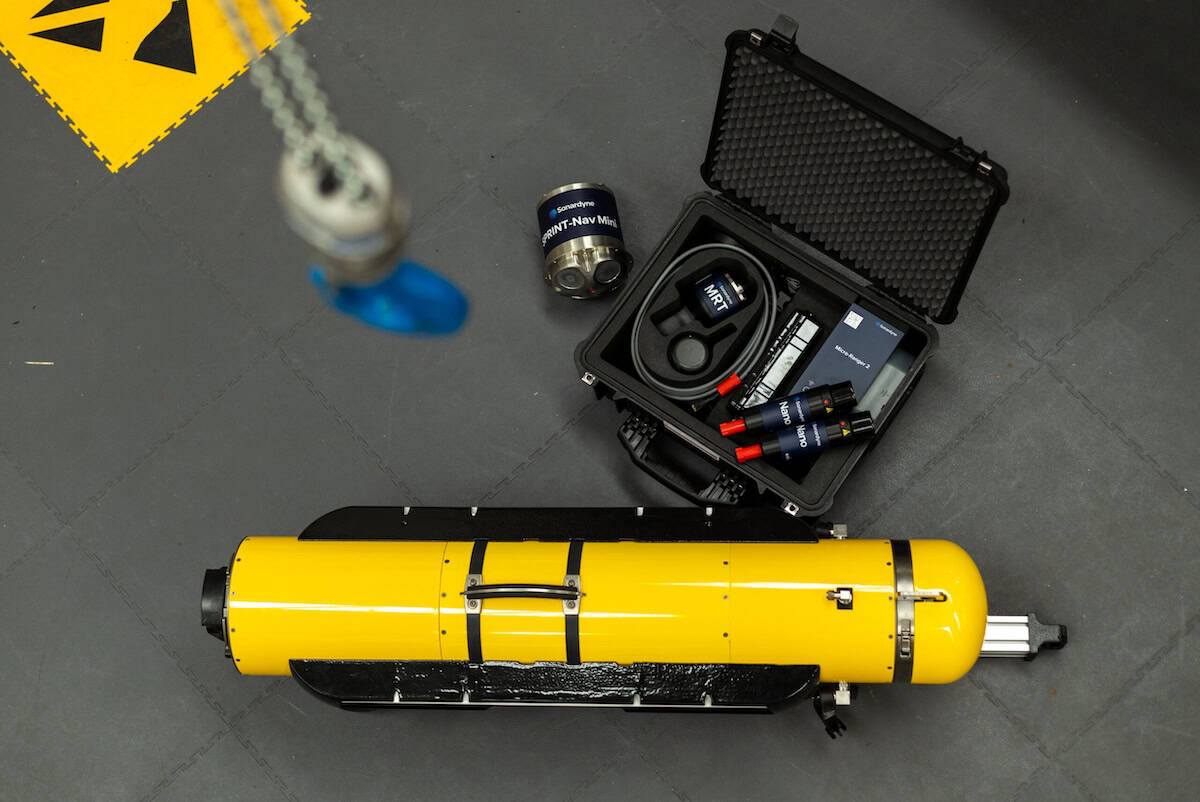
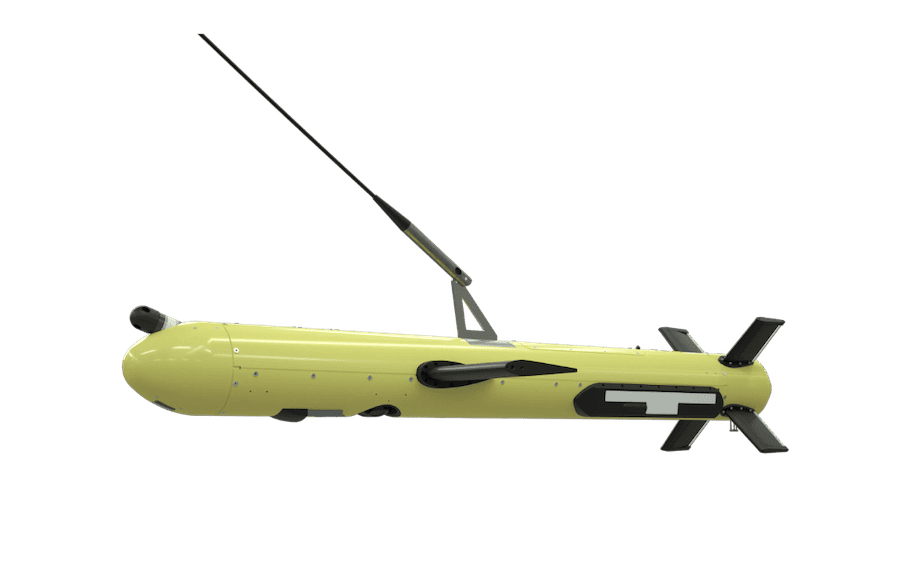
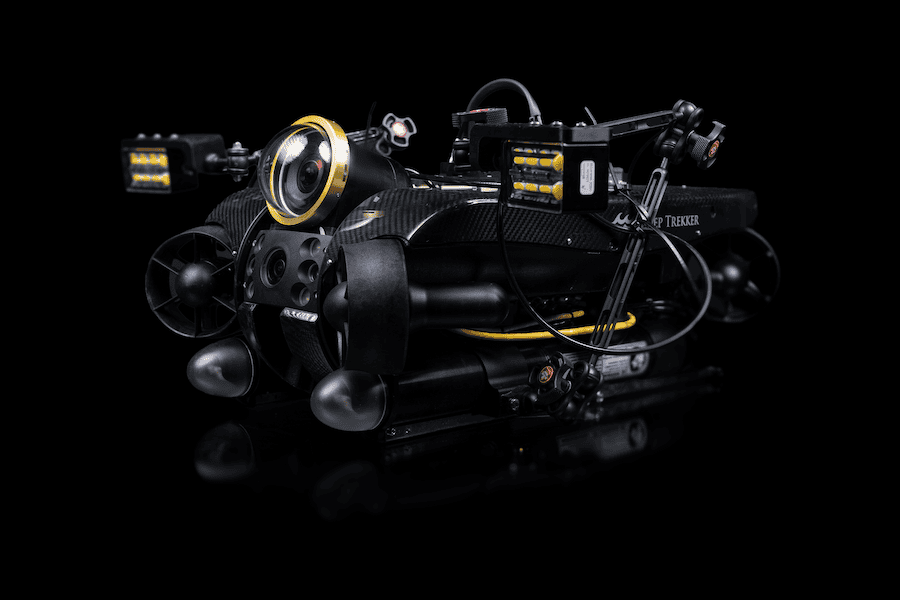
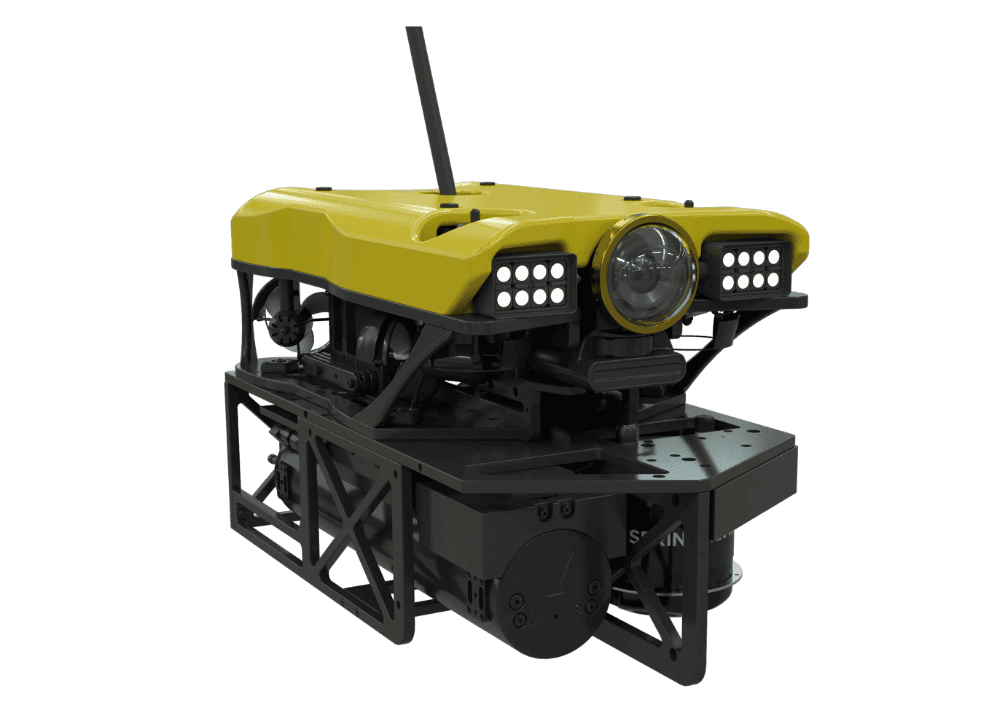
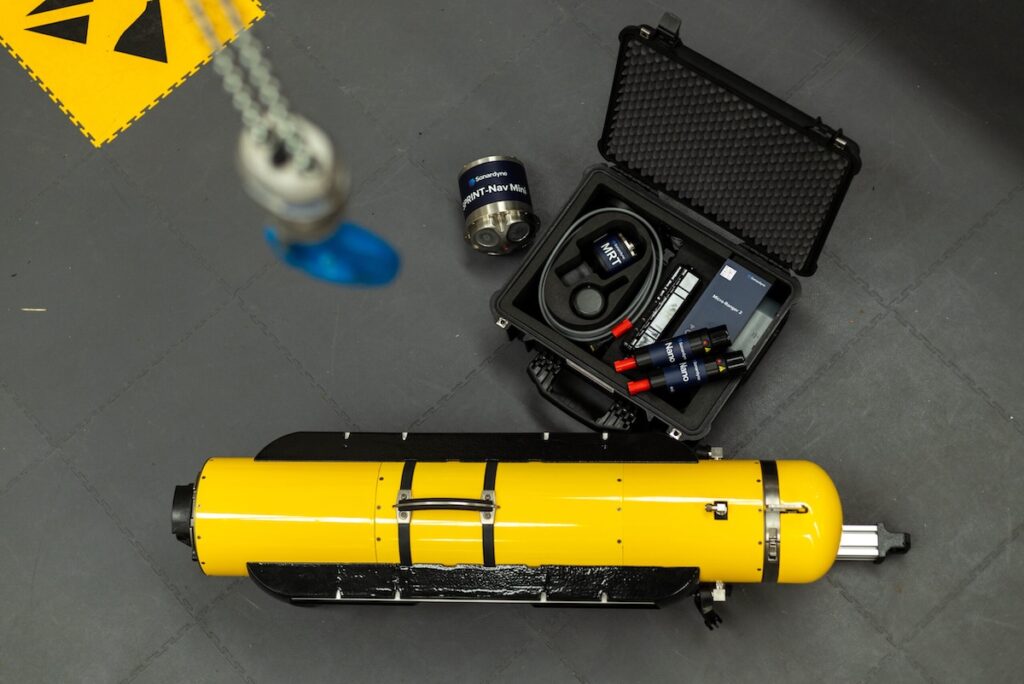
Advances in battery technology, miniaturized sensors, inertial navigation, and onboard computing have produced capable and affordable AUVs and UUVs that are accessible to a broader range of operators, while the commercial availability of AUV technology has considerably lowered the barrier to entry below the state level. The same technology used for autonomous seabed surveys and riser inspections can also be adapted for reconnaissance, surveillance, or direct action against underwater infrastructure.
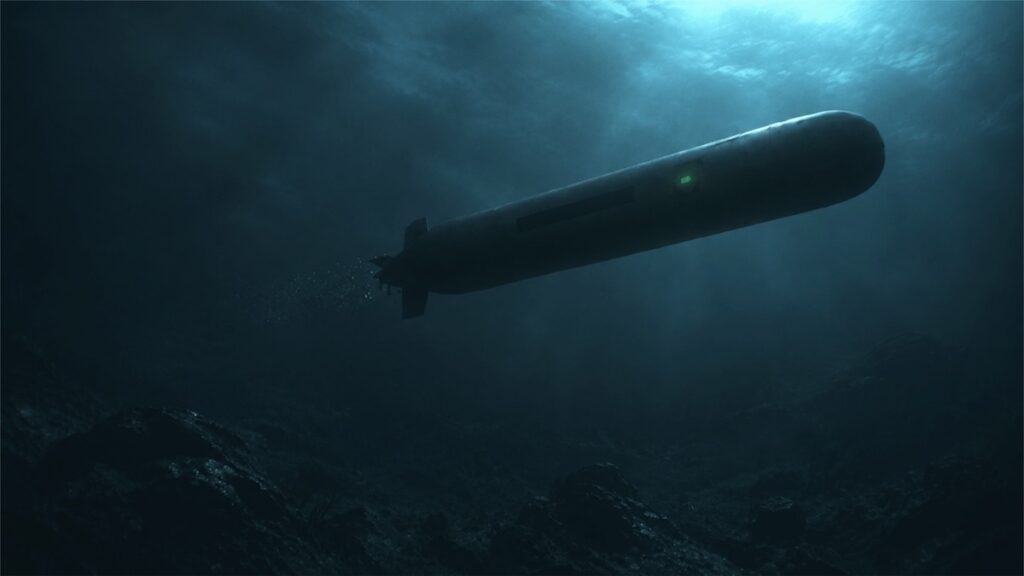
AUVs and UUVs present distinct detection challenges because of their typically low acoustic signatures, independent operation, small size, and broad range of potential payloads and objectives. Perimeter monitoring focused on surface vessels and personnel access does not address an approach made at depth. An undetected autonomous underwater system could conduct reconnaissance of a naval facility, place a device on the hull of a high-value vessel, or disrupt a subsea cable or pipeline, while the absence of underwater monitoring data can make attribution harder and undermine the ability to respond and recover.
Effective detection requires underwater acoustic monitoring at ranges that allow security teams to evaluate a contact, decide on a course of action, and deploy a response before the threat reaches its objective. Detection quality is also critical, as the ability to distinguish between threat categories and prioritize alerts helps avoid overwhelming operators with unnecessary alerts associated with marine life, passing shipping, or environmental noise.
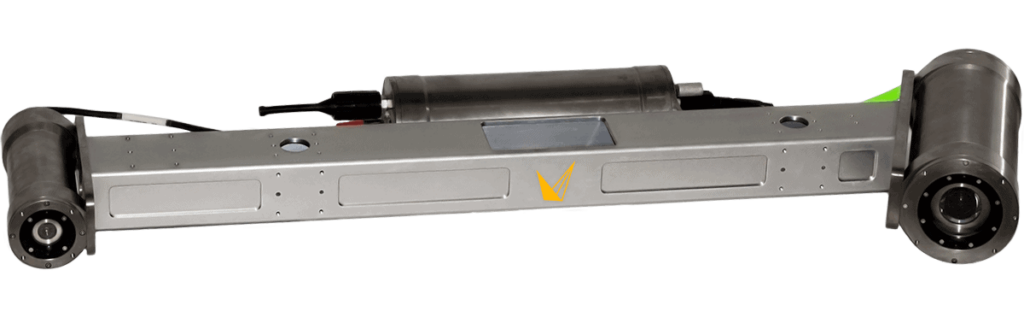
Forcys’ Sentinel IDS addresses these operational requirements through an underwater acoustic monitoring architecture that provides persistent coverage of designated areas, with automated classification capabilities intended to reduce false alert rates and focus operator attention on genuine contacts of concern.
The system uniquely combines active and passive processing using patented SInAPS® technology, or Simultaneous In-band Active and Passive Sonar, allowing passive emissions from the target to support detection and tracking when active tracking may not be possible, while also helping with target classification. Its modular design supports permanent facility protection as well as shorter-duration operational requirements for expeditionary forces and temporarily elevated security postures.