


Nicomatic outlines the factors influencing connector selection for data transmission beyond 10 Gb/s, where increasing bandwidth requirements can place greater demands on interconnect architectures.
Copper continues to serve as the preferred solution for many interconnection applications thanks to its established performance and mature qualification processes. However, as transmission speeds increase beyond 10 Gb/s, designers may face growing challenges related to weight, heat generation, and Electromagnetic Interference (EMI) shielding.
Fiber optic technology offers an alternative approach for applications requiring higher data throughput. While optical connectivity is recognized for its bandwidth capabilities, implementation often raises practical questions regarding mechanical durability and integration with electronic systems. Nicomatic addresses these considerations through a combination of rugged optical connectivity hardware, active optical components, and technical training.
DMM-MT Interface for High-Density Optical Connectivity
Transitioning to optical transmission does not necessarily require compromises in connector robustness or panel space utilization.
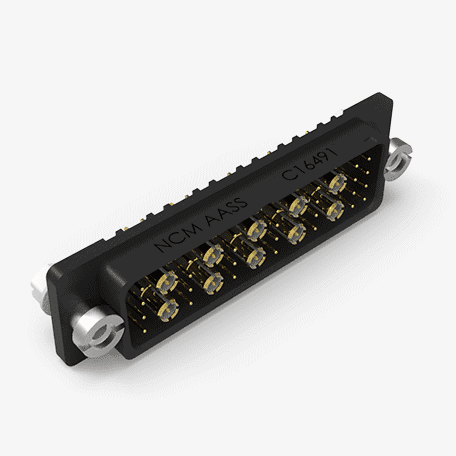
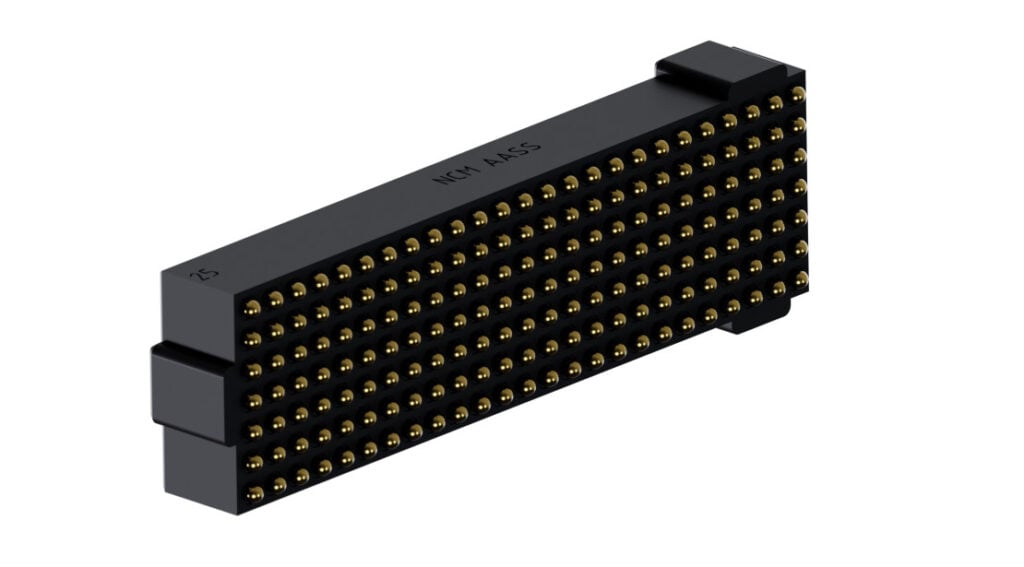
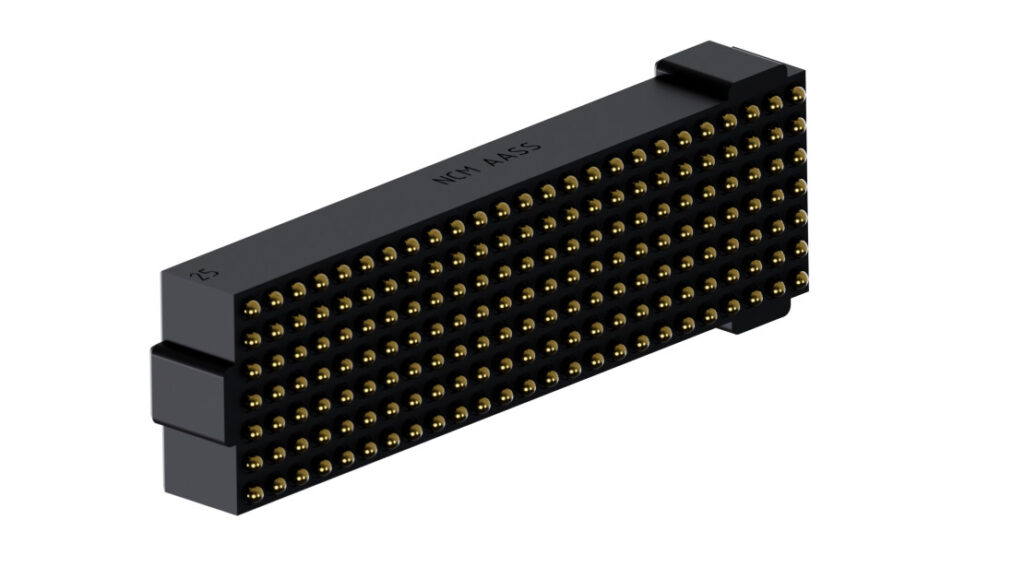
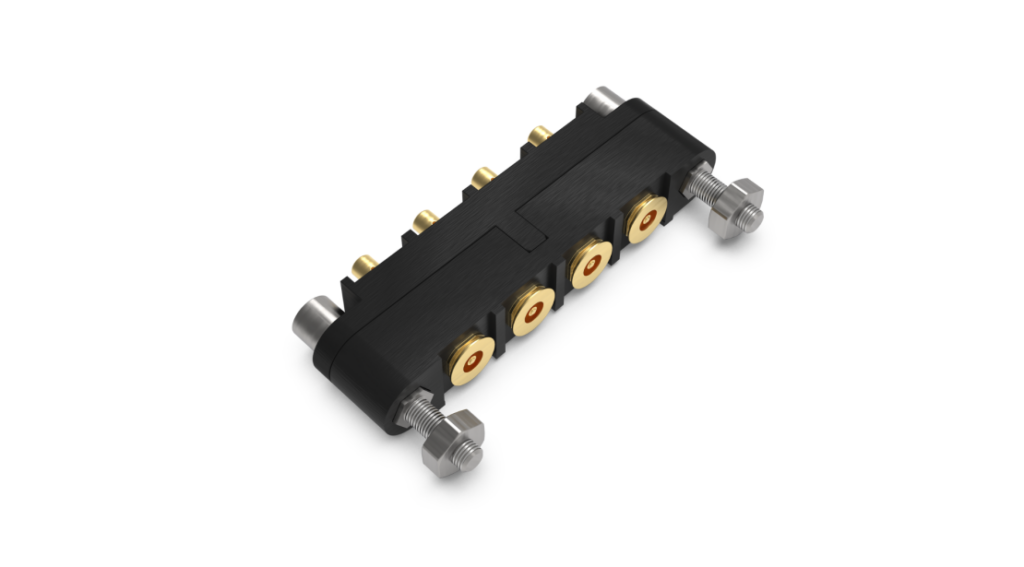
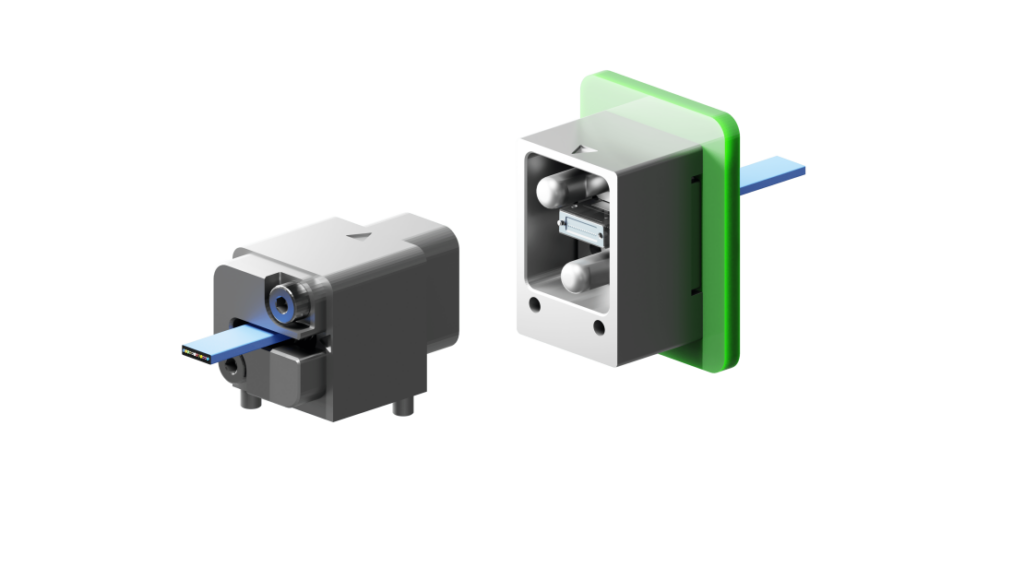
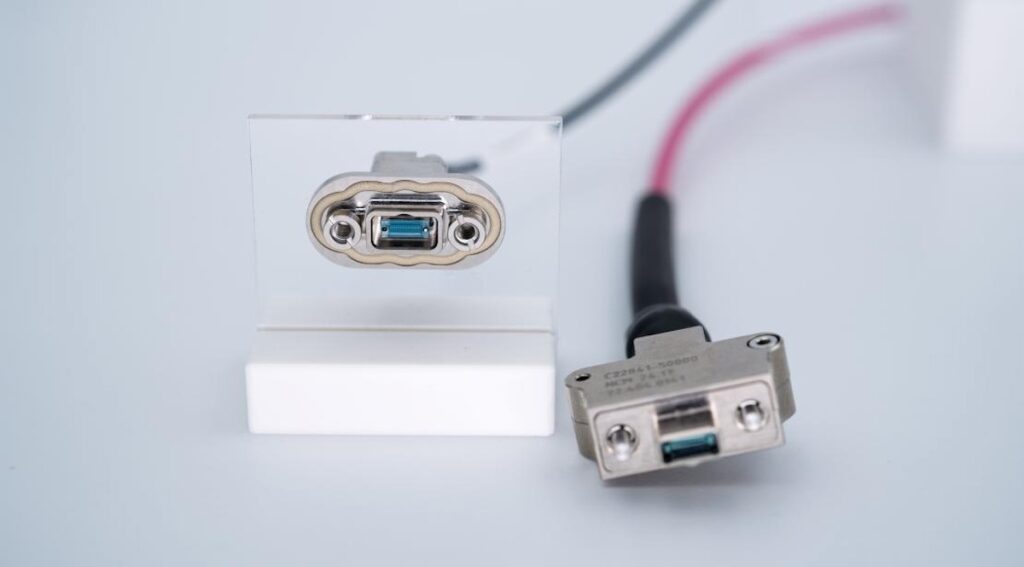
The DMM connector integrates high-density MT optical ferrules within an aluminum housing while retaining captive screw locking mechanisms intended for operation in severe vibration environments. The design combines optical transmission capability with a mechanically secure interface and immunity to electromagnetic interference.
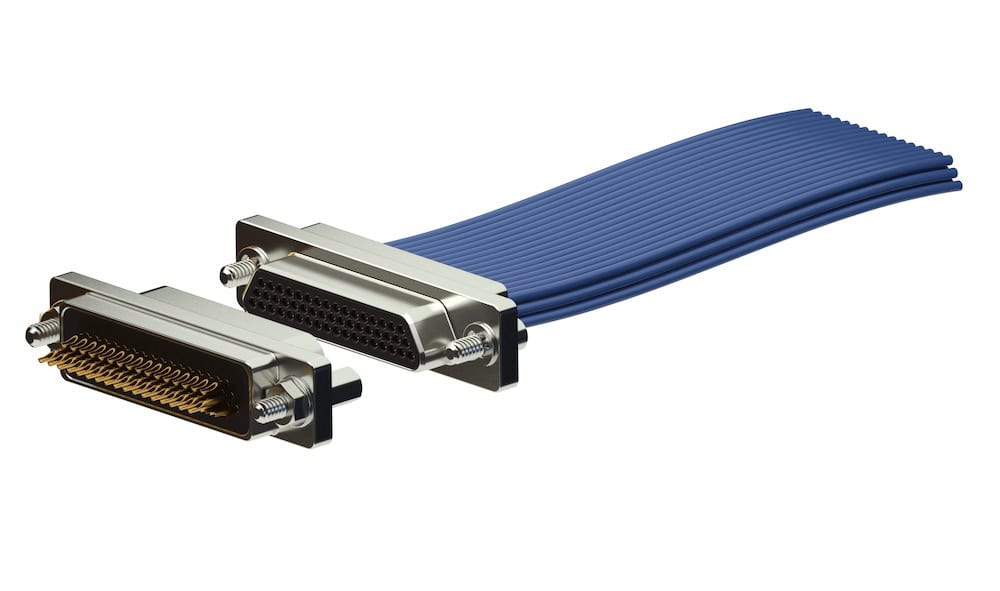
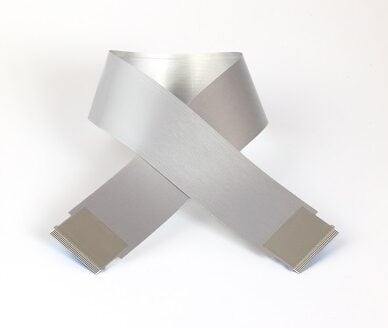
Compatible with both round and flat cable configurations, this module accommodates up to 24 optical channels within a compact, low-profile housing. This allows a high concentration of channels within a limited footprint while maximizing throughput per mm² of panel space.
Board-Mount Optical Transceivers for Electrical-to-Optical Conversion
To minimize transmission losses, electrical-to-optical conversion should occur as close to the board as possible.
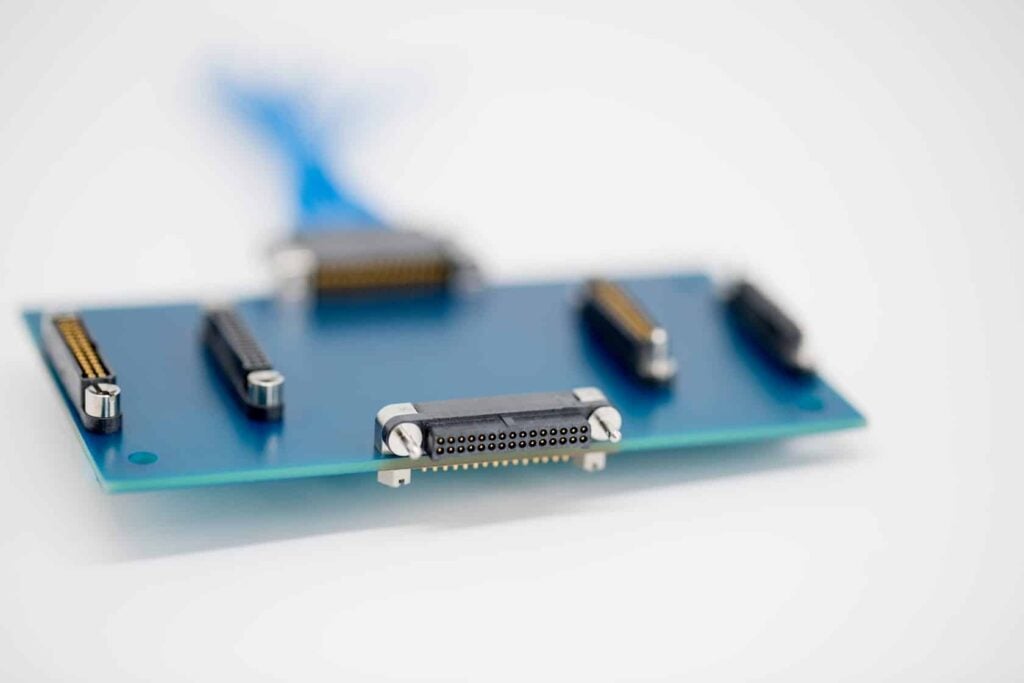
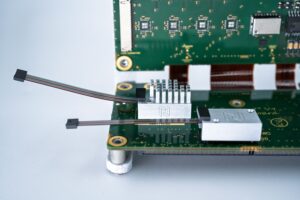 Nicomatic’s board-mount optical transceivers are compact modules featuring four transmit (Tx) and four receive (Rx) channels. The devices support data rates of up to 25 Gbps per channel and provide a 15 dB optical budget at 10 Gbps to support reliable transmission.
Optimized thermal management and an extended operating temperature range allow the transceivers to be integrated into dense enclosures where environmental and thermal considerations are important design factors.
Technical Training for Optical System Integration
Successfully implementing optical technologies requires more than component selection alone. System performance also depends on architecture development, link budget analysis, and understanding the operational constraints associated with optical systems in demanding environments.
To support these requirements, Nicomatic offers certifying technical training modules designed to help engineers address system integration challenges. The courses cover architecture definition, link budget evaluation, and the specific considerations associated with deploying optical technologies in harsh environments.
By combining optical connectivity hardware, active optical transceivers, and technical training, Nicomatic provides support for engineering teams evaluating interconnect strategies for applications operating beyond 10 Gb/s.