

RTK GNSS
Discover cutting-edge solutions from 9 leading global suppliers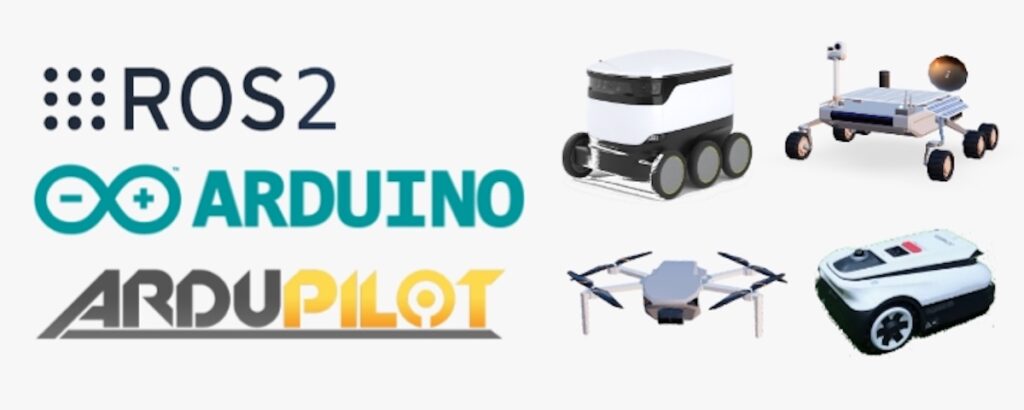
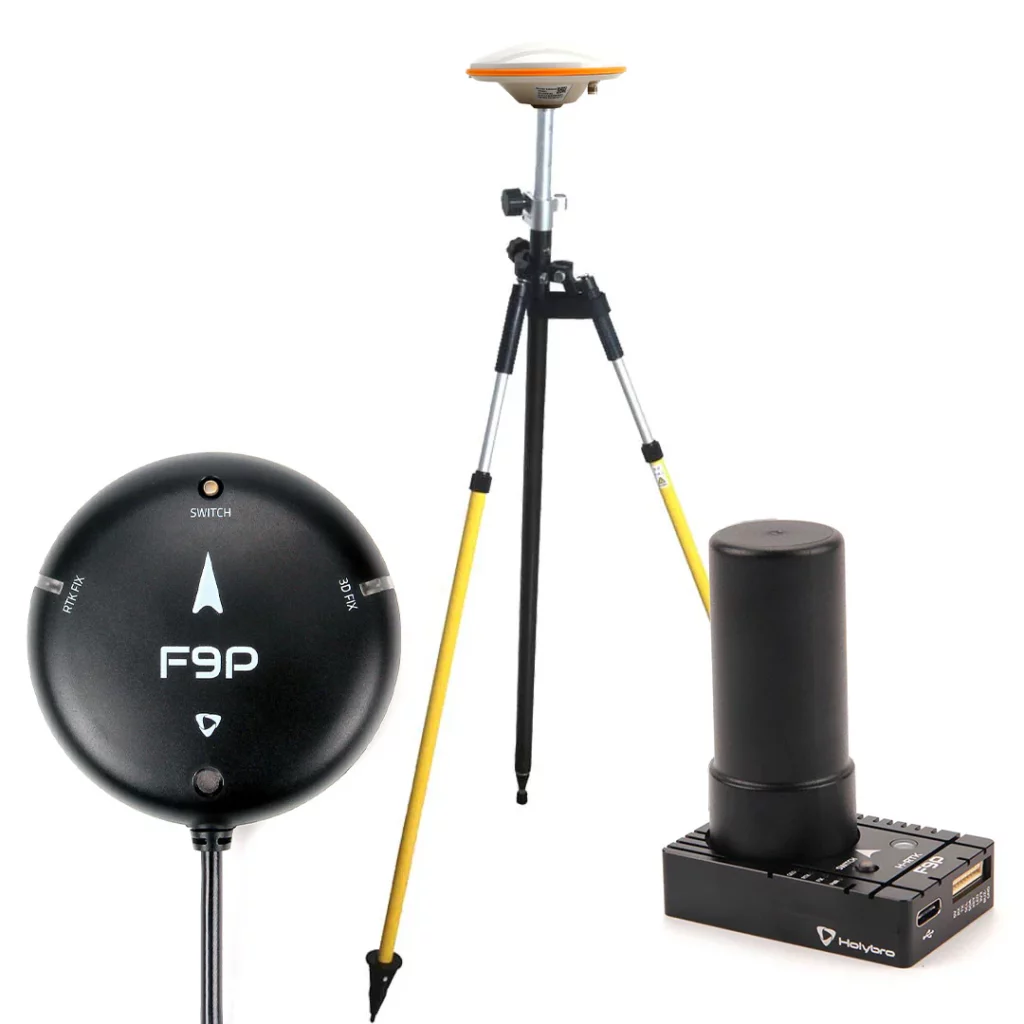
ArduSimple, a developer of user-friendly and cost-effective RTK GNSS solutions, outlines key considerations when selecting a software platform for GPS-based autonomous projects. Read more >>
ArduSimple GNSS and RTK solutions are used across land, marine, and aerial robotics, making platform selection an important early decision for GPS-based projects.
Arduino, ArduPilot, and ROS 2 are three commonly used platforms, each suited to different levels of autonomy, technical expertise, and development timelines. Understanding their strengths helps developers choose an approach that aligns with both project requirements and available resources.
Arduino
Arduino is typically used for low-cost projects, basic GPS logging, and simple navigation tasks where direct access to GNSS data is required. It is often selected for educational use and is the easiest entry point if programming is an option, although system complexity and scalability are limited.
ArduSimple provides a dedicated tutorial covering GNSS and RTK integration with Arduino-based platforms.
ArduPilot
ArduPilot is used for Unmanned Ground Vehicles (UGVs), Unmanned Aerial Vehicles (UAVs), and Unmanned Surface Vehicles (USVs). It combines integrated GPS, inertial sensing, and mission planning tools within a real-time autopilot environment, enabling reliable and proven waypoint-based navigation without custom software development.
ArduSimple offers a guide for configuring GNSS and RTK solutions with ArduPilot-based flight controllers.
ROS 2
ROS 2 is used for advanced, modular robotic systems that require high-level autonomy, multi-sensor fusion, and high scalability and flexibility. It is commonly deployed on companion computers and used in research and commercial robotics applications.
For developers working with ROS 2, ArduSimple provides a platform-specific tutorial that explain how to integrate GNSS and RTK receivers within ROS-based systems.
ArduSimple supports all three platforms with GNSS and RTK integration resources for different autonomy and system complexity requirements.
To find out more information, read ‘Land, sea, or air robots: how to choose the platform for project with GPS’ here >>