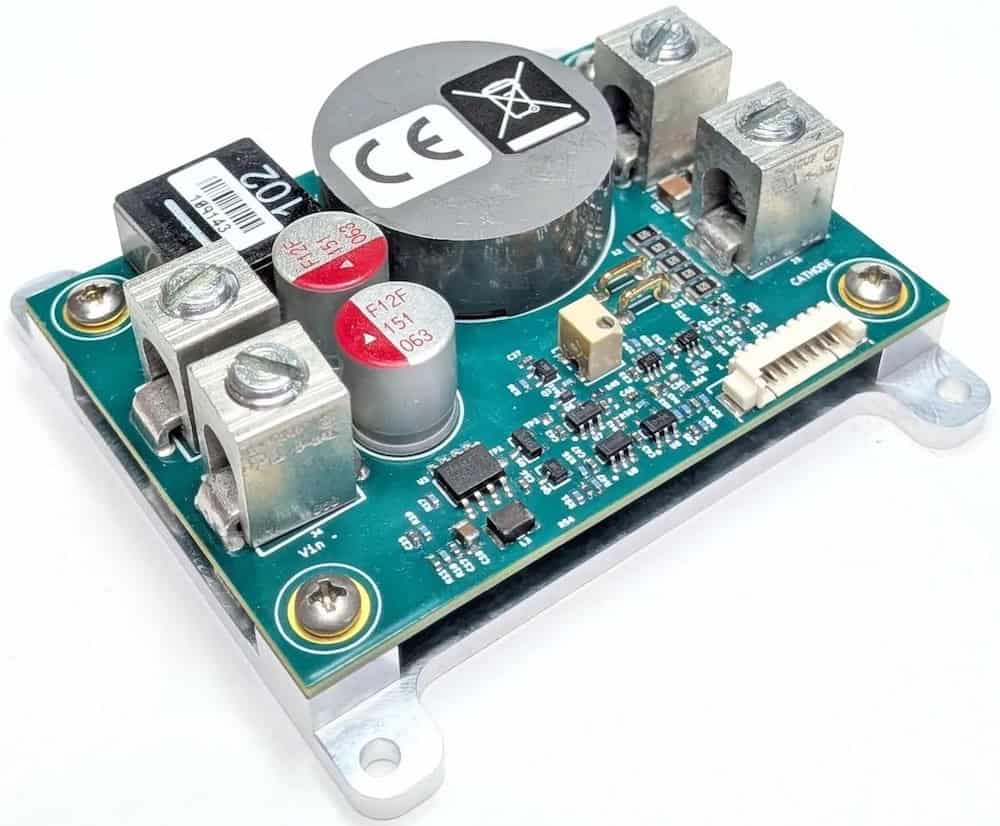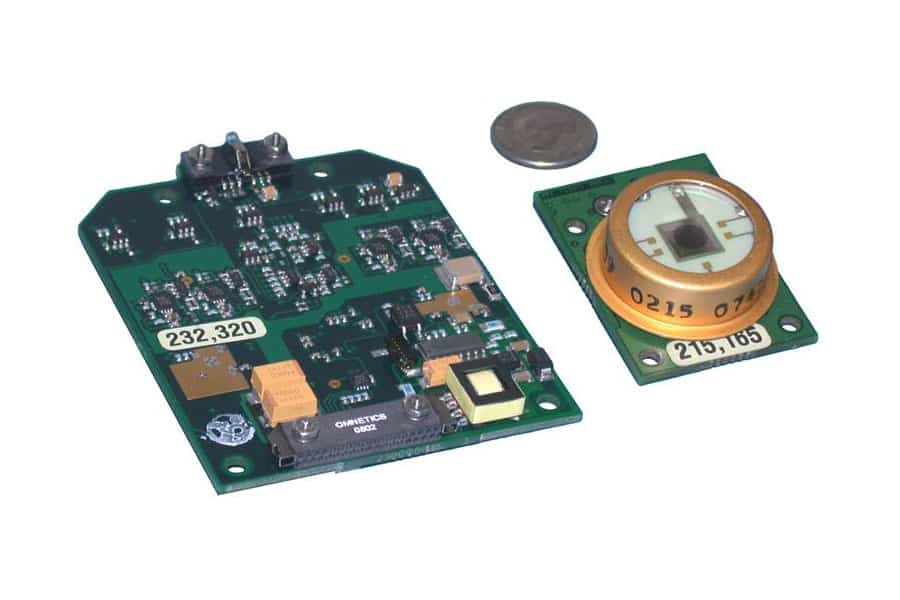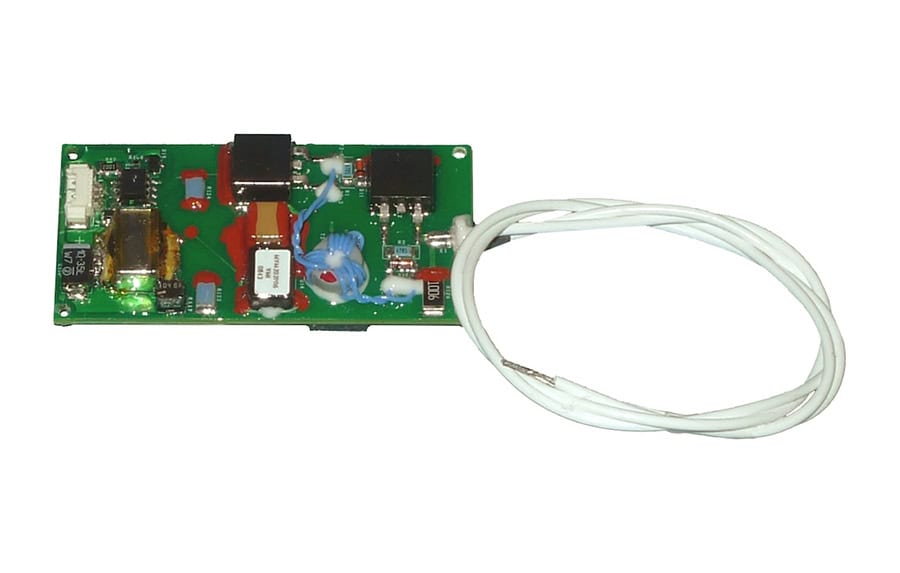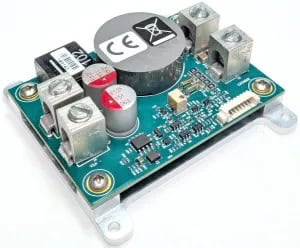

Analogue Modules Inc. explains the development and technical challenges involved in designing laser diode drivers, particularly high current devices used in military laser systems.
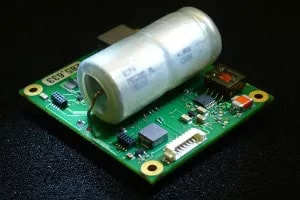 Over approximately fifteen years, driver architectures have evolved from simple analog designs to more advanced switching circuits with intelligent control, developed to improve efficiency and support longer operational lifetimes.
Design Considerations for Military Laser Diode Drivers
When evaluating design options for a diode driver used in a military laser system, several factors must be considered, including size, weight, cost, efficiency, and reliable operation across specified environmental conditions. These requirements are often in conflict. The least expensive approach may not provide the smallest solution and may also fail to operate reliably across all environmental conditions.
Analogue Modules Inc. notes that simple linear diode drivers are generally unsuitable for military laser systems because they cannot adapt to changing environmental conditions or the effects of aging on internal components and diode loads. This limitation can lead to reduced electrical efficiency and increased electrical stress on internal components, which may shorten battery lifetime and increase the risk of failure.
Energy Storage and Capacitor Selection
A battery or external power supply typically cannot provide the peak power required to drive a pump laser diode. For this reason, most driver designs incorporate a power converter stage that increases the input voltage above the diode load voltage and stores energy at that level in a storage capacitor. The capacitor must provide sufficient energy to power the diode load while maintaining enough voltage to offset losses within the system.
According to Analogue Modules Inc., it is extremely difficult to meet the temperature and operational lifetime requirements of military laser systems when commercial aluminum electrolytic capacitors are used as energy storage elements. Although these capacitors are relatively inexpensive, their characteristics change significantly with temperature and with age.
Hermetically sealed capacitors provide improved temperature stability and better long term performance, but they are significantly more expensive than commercial electrolytic capacitors. These sealed capacitors also offer the advantage of smaller size.
Driver Architecture Development
Linear diode drivers can be designed with additional intelligence to reduce the impact of changing operational conditions. In these designs, multiple input conditions are sensed and the information is used to modify the operation of the driver. While this approach improves performance compared with simple linear designs, further reductions in size can still be achieved with other architectures.
Analogue Modules Inc. explains that diode drivers using intelligent high frequency switching circuitry to generate the output current pulse are more tolerant of changing operating conditions and are inherently more efficient than linear diode drivers. Electrical stress on internal components is lower, which contributes to improved reliability and longer operational lifetimes.
These switching designs also require approximately one quarter of the capacitance needed by linear driver designs, enabling more compact and lighter solutions. In some cases, commercial electrolytic capacitors can be used while still meeting military environmental requirements, although operational lifetime may be reduced due to aging effects.