Discover World-Leading Unmanned and Autonomous Technologies
Discover cutting-edge solutions from leading global suppliers
June 2026 generated strong reader interest across defense, aerospace, and operational applications on Unmanned Systems Technology, reflecting the growing diversity of technologies and missions shaping the uncrewed sector.
This month’s most-read articles covered engineering achievements, hurricane forecasting, maritime defense programs, autonomous ground operations, and mission-ready aerial autonomy.
Recognition of engineering and program achievements opened June’s most-read stories, with General Atomics Aeronautical Systems (GA-ASI) receiving multiple American Institute of Aeronautics and Astronautics (AIAA) San Diego Section awards.

The honors recognized achievements spanning the UK Protector UAS Military Type Certification program, leadership of the YFQ-42A Collaborative Combat Aircraft (CCA) development program, and contributions to the AIAA San Diego Section, reflecting milestones in uncrewed aviation, aerospace management, and technical leadership.
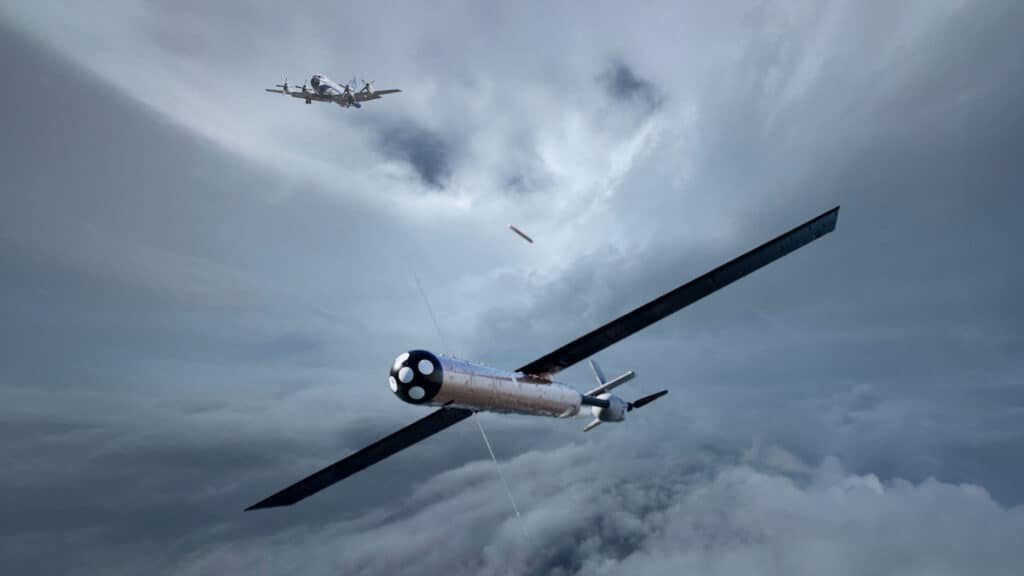
Operational applications of autonomous aviation also generated significant reader interest as NOAA integrated atmospheric data collected by Black Swift Technologies’ S0 Unmanned Aircraft System (UAS) into its Hurricane Analysis and Forecast System (HAFS). Designed to gather meteorological measurements from regions of storms that are difficult to access using crewed aircraft or satellites, Black Swift Technologies’ platform contributed data supporting improved tropical storm and hurricane forecasting while also demonstrating extended autonomous operations and multi-drone deployment capabilities.
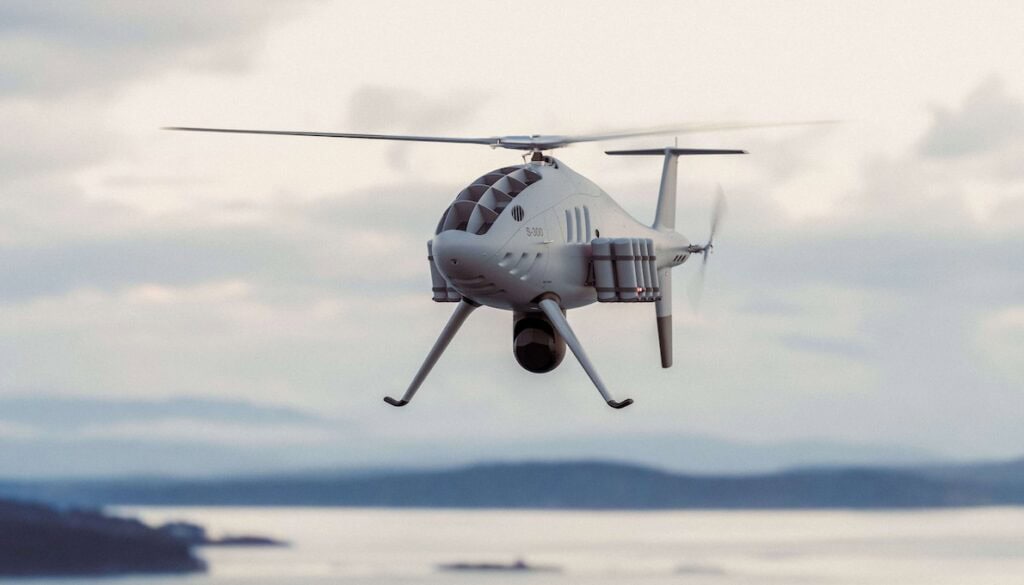
Maritime defense developments featured prominently with the selection of Schiebel’s CAMCOPTER S-300 as the airborne platform for the European Defence Fund-backed SWORD project. Supporting the development of future stand-off anti-submarine warfare (ASW) capabilities, Schiebel’s heavy-lift Vertical Take-Off and Landing (VTOL) UAS will contribute to an integrated System-of-Systems concept designed to enhance the detection, tracking, classification, and neutralization of submerged threats.
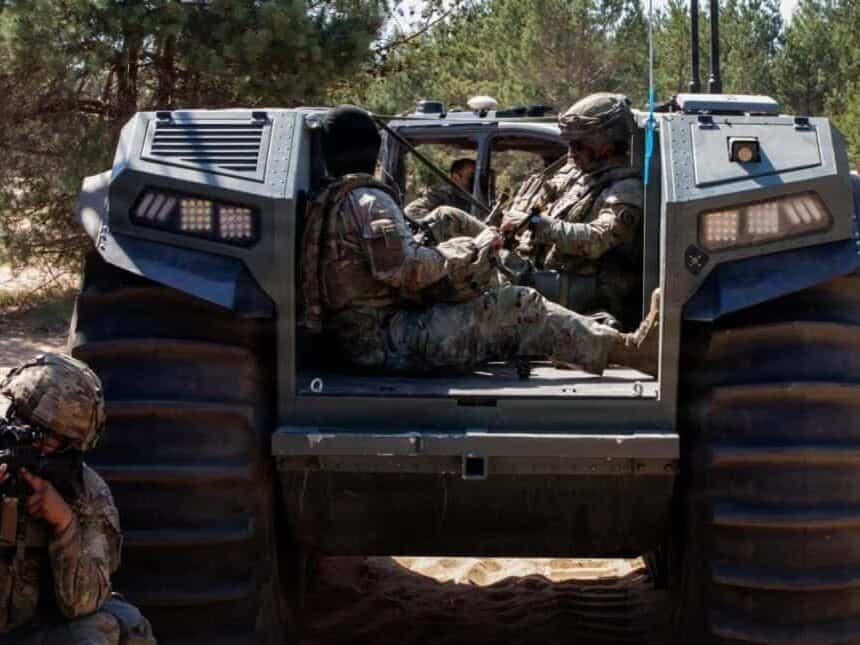
Autonomous ground operations likewise attracted strong attention as ABRIS Design Group’s UNEX Unmanned Ground Vehicle (UGV) took part in U.S. Army medical evacuation training during Project Flytrap in Lithuania. Evaluated in casualty evacuation scenarios across challenging terrain, the modular platform demonstrated its mobility, payload capacity, amphibious capability, and low-signature operation while supporting medical evacuation tasks in contested operational environments.
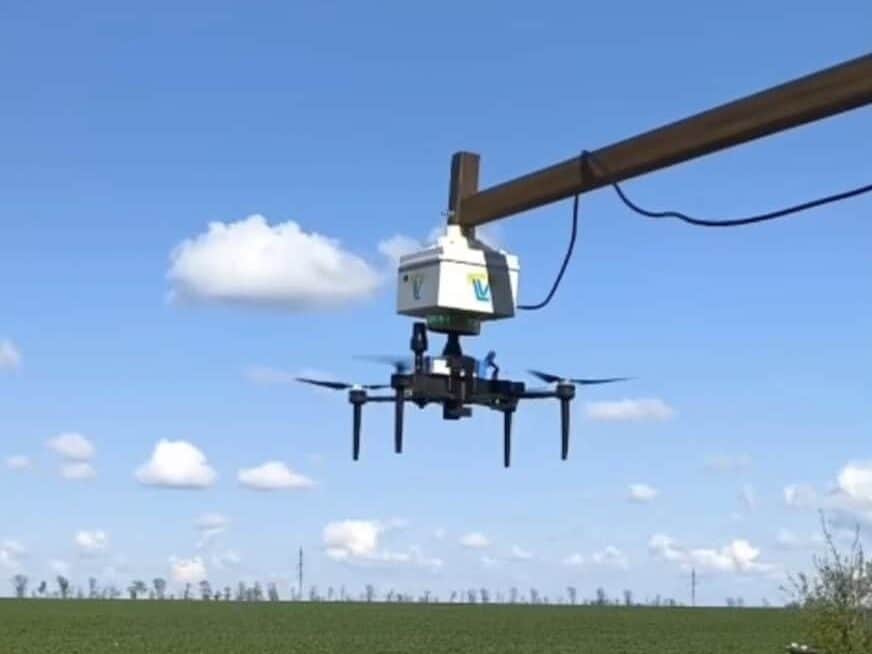
Rounding off June’s top stories, Reactive Drone demonstrated a fully autonomous operational cycle for its SHMAVIK Unmanned Aircraft System (UAS) through integration with its SkyDock infrastructure. By autonomously managing take-off, landing, and battery charging without operator involvement, the integrated system showcased mission-ready autonomous operations designed to support defense, border security, critical infrastructure protection, and remote monitoring applications.
Together, June’s most-read articles highlight the continued progression of uncrewed systems from technical achievement to operational capability across air, land, and maritime environments. From recognized engineering milestones and environmental monitoring to autonomous defense capabilities and mission-ready platforms, the stories reflect growing emphasis on advancing autonomous technologies for increasingly demanding real-world applications.