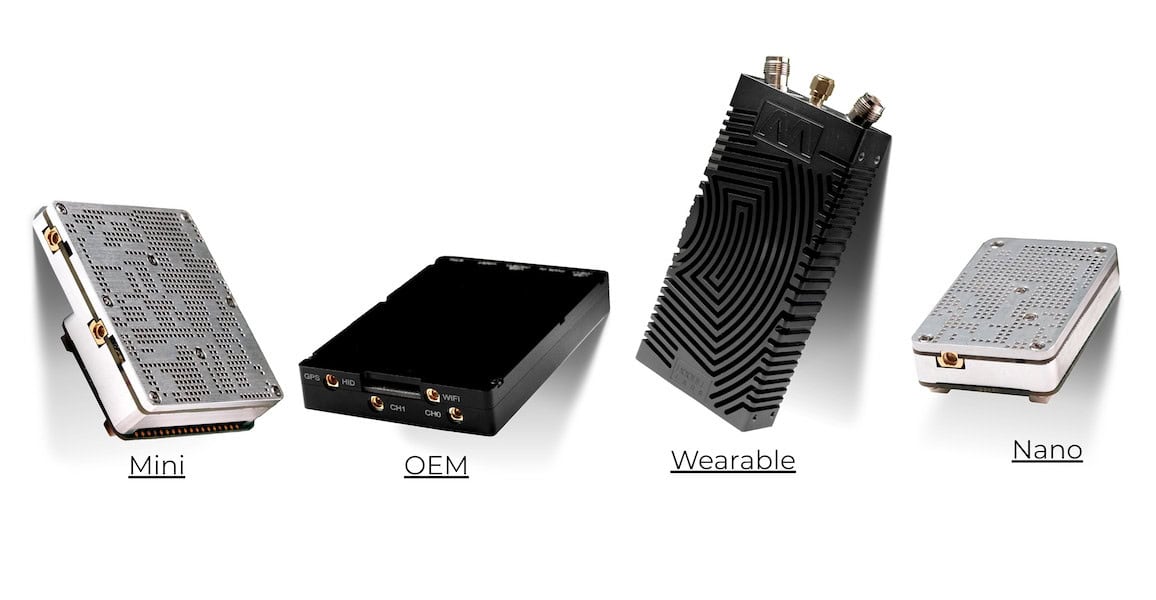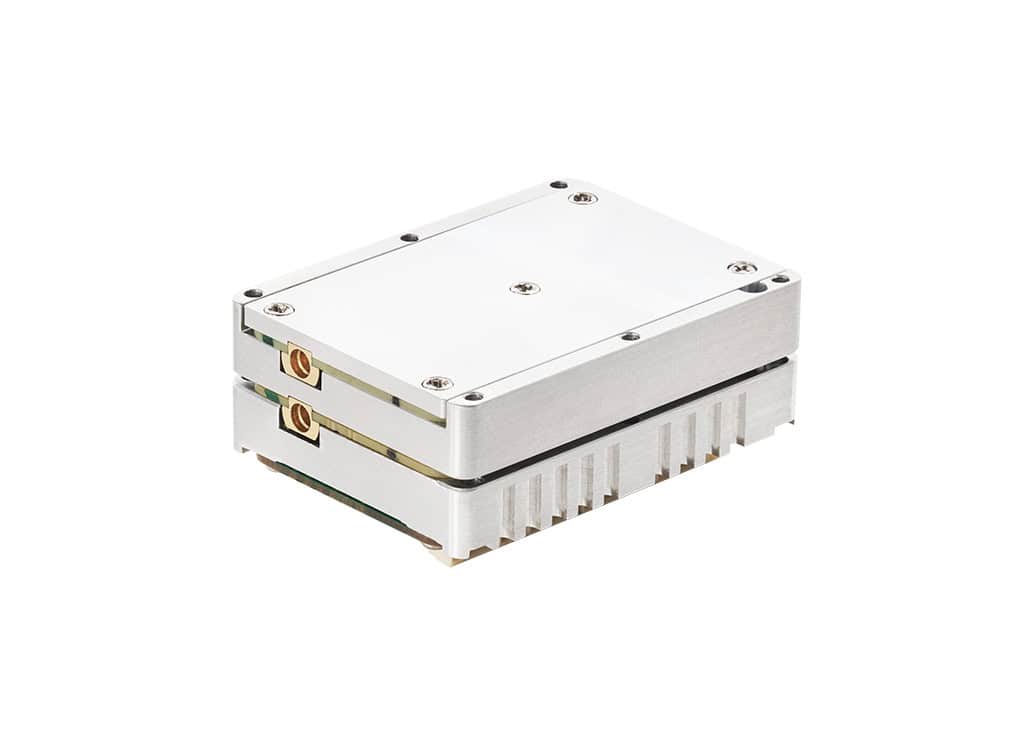
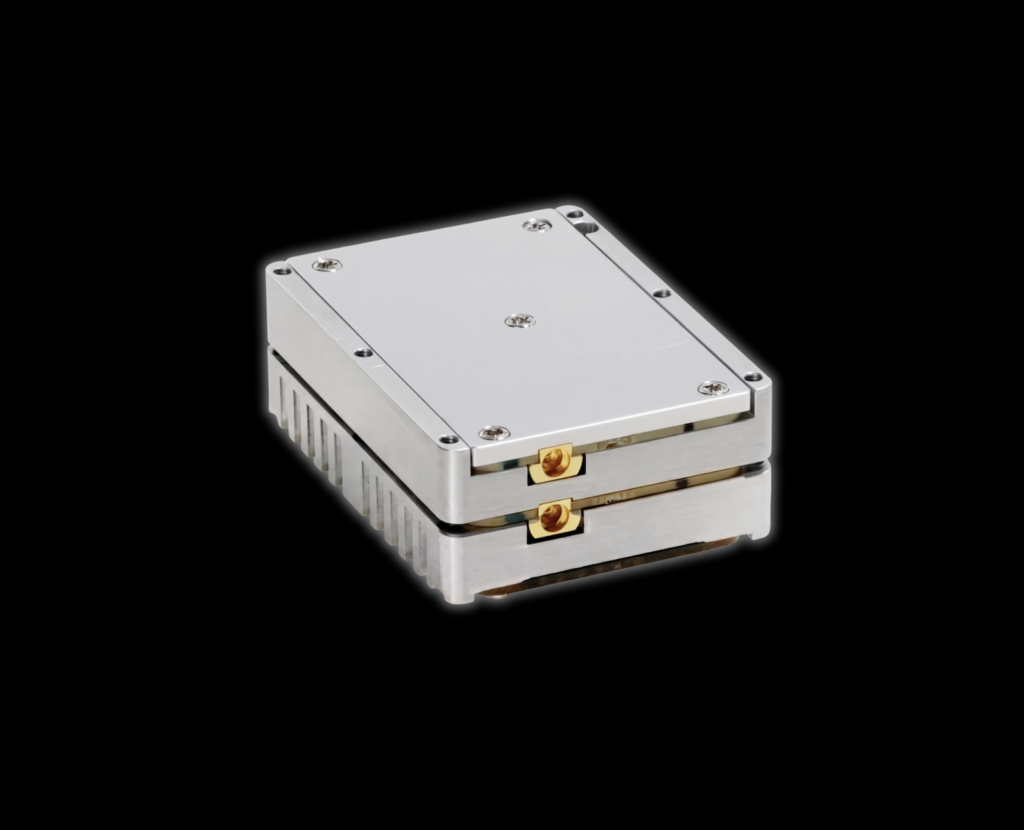
Doodle Labs has launched the Nano², a new radio designed to provide full Mesh Rider performance within a significantly smaller form factor.
As unmanned systems evolve, engineers frequently struggle with the constraints of size, weight, and power (SWaP). Traditionally, designers of small UAVs, ground robots, and wearable systems had to choose between smaller radios with limited capabilities or higher-performance radios that increased the physical burden on the platform. The Nano² aims to eliminate this compromise by delivering the full capability of the widely deployed Mini Mesh Rider radio while maintaining a footprint aligned with the more compact Nano series.
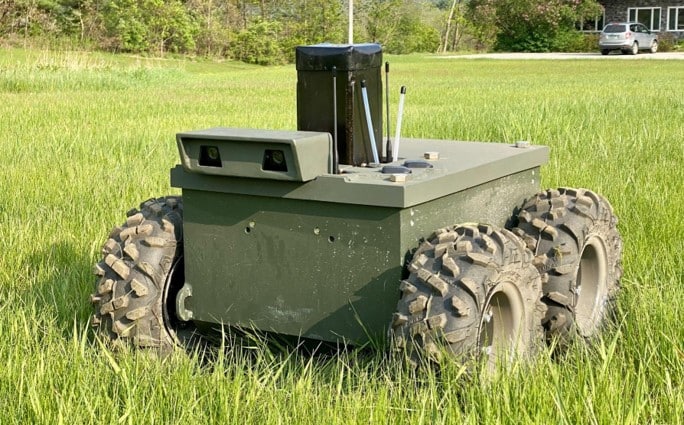
By combining these two previously separate design priorities, the new hardware enables several specific use cases across the defense and commercial sectors. Small UAV and FPV platforms can now carry high-performance communications equipment where payload capacity was once too limited, while ground robotics and UGVs can maintain reliable mesh networking in complex environments. Additionally, the reduced footprint benefits wearable systems for dismounted operators and allows for the deployment of multi-node mesh networks with more nodes without increasing the overall burden on the platforms.
The Nano² integrates into the existing Mesh Rider ecosystem, featuring MANET networking for self-forming and self-healing links. It also includes Sense EW interference avoidance for dynamic RF adaptation and offers multi-band support, including new C-band solutions. These features are designed to ensure that even the smallest platforms can operate reliably in congested or contested RF environments.
As unmanned systems scale, communications performance is no longer a “nice to have”, it’s mission critical. Doodle Labs’ new Nano² allows system designers to maintain high-performance links on smaller platforms, reduce SWaP without sacrificing capability, and standardize on a single radio architecture across platforms.
Ultimately, the Nano² represents a shift in how integrators approach the next generation of robotics and wearable systems. By ensuring that performance is no longer limited by form factor, the radio provides new possibilities for both system design and mission execution.