
Discover World-Leading Unmanned and Autonomous Technologies
Discover cutting-edge solutions from leading global suppliers
February 2026 saw strong engagement across a wide range of uncrewed systems topics on Unmanned Systems Technology, reflecting sustained interest in government UAV connectivity, defense autonomy, industry collaboration, and operational innovation.
This month’s most-read articles spanned satellite communications for mission-critical UAV operations, defense robotics events and partnerships, strategic acquisitions, and in-flight demonstrations of crewed-uncrewed teaming.
Leading February’s readership, Viasat attracted significant interest with the release of a new satellite connectivity portfolio tailored to government Uncrewed Aerial Vehicle (UAV) operations. The launch highlights continued focus on secure and resilient communications to support mission-critical uncrewed missions.
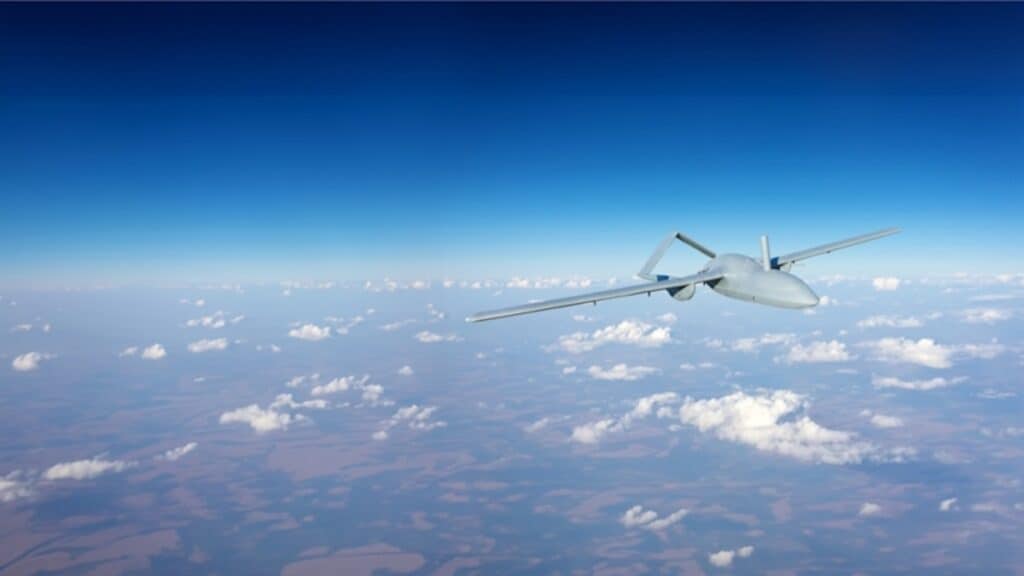
The VuaLe portfolio combines L-band satellite services with lightweight, low-Size, Weight, and Power (SWaP) airborne terminals to deliver flexible command and control across a range of government applications. With services including Uncrewed Air, L-MAX, G2X Air, G2X Air Plus, and K-MAX, the offering is designed to support missions such as intelligence, surveillance, and reconnaissance, public safety, border security, defense, scientific research, and emergency response, while enabling reliable connectivity for UAV platforms operating in demanding environments.
Interest then turned to the evolving role of robotics and autonomy in defense, with strong attention on the upcoming Military Robotics & Autonomous Systems (MRAS) 2026 conference. Taking place in London from 13-15 April 2026, the ninth annual event brings together NATO and allied forces to examine how robotic and autonomous systems are being developed, tested, and fielded across operational environments.
MRAS 2026 centers on practical and operational priorities, including integrated UAV and Uncrewed Ground Vehicle (UGV) systems, battlefield logistics and medical evacuation, autonomy in airborne operations, and human–machine teaming. The 2026 program also introduces a dedicated stream on autonomous breaching technologies, addressing high-risk missions such as mine clearance and obstacle removal, and reflecting continued efforts to reduce soldier exposure while enhancing operational effectiveness.

Industry collaboration also featured prominently, with Honeywell Aerospace and LIG Nex1 signing a Memorandum of Understanding focused on defense-oriented unmanned aviation. The agreement establishes a non-exclusive framework for evaluating collaboration opportunities in UAV technologies.
Under the MOU, the companies will explore potential cooperation on Unmanned Combat Aerial Vehicles (UCAVs), Collaborative Combat Aircraft (CCAs), and selected space, electromagnetic defense, and cybersecurity applications. The framework also includes joint assessment of market requirements and potential customers.
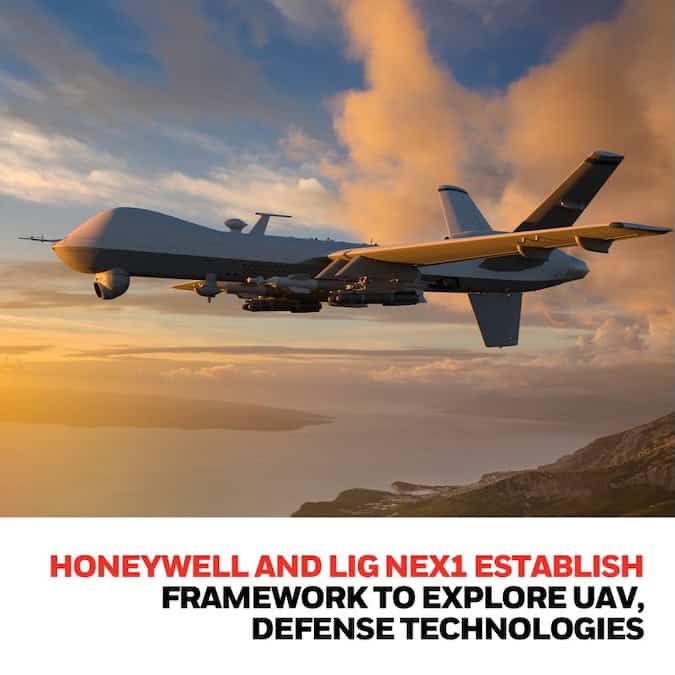
The collaboration will examine how existing commercial unmanned technologies could be adapted for defense-specific use, combining Honeywell’s experience in unmanned systems, navigation, and communications with LIG Nex1’s expertise in advanced precision electronic systems and unmanned platforms.
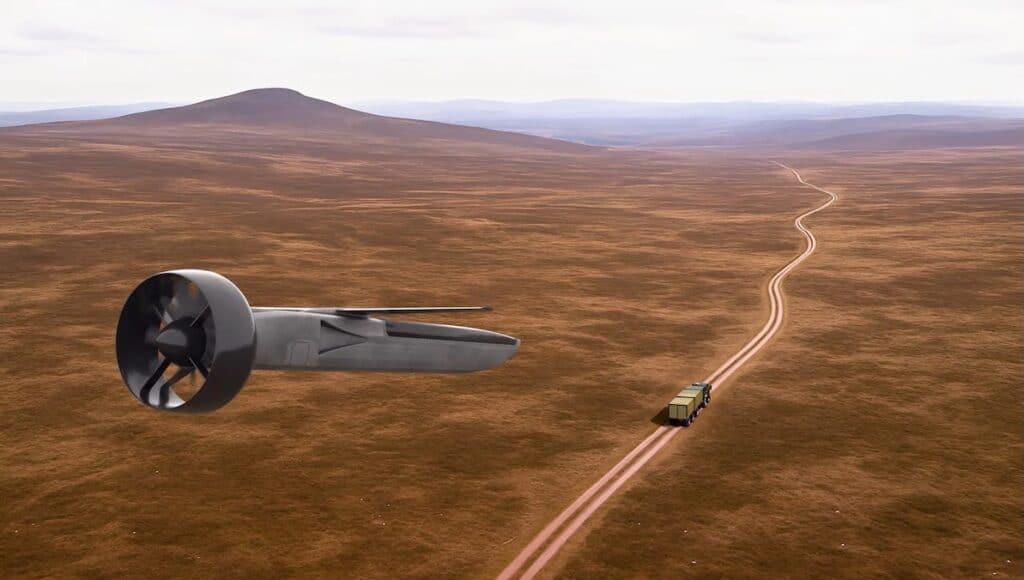
Strategic industry developments continued with Rotron Aero entering a strategic agreement to be acquired by Ondas Inc. The acquisition is intended to scale Rotron’s vertical take-off and landing (VTOL) platforms and long-range UCAV propulsion technologies for extended autonomous missions.
The deal integrates Rotron’s propulsion-led engineering and multi-role UAV designs, including the Talon VTOL series and Defendor autonomous attack system, into Ondas Autonomous Systems’ broader system-of-systems architecture. These platforms feature proprietary rotor and fan-drive systems optimized for endurance and stability, addressing the growing demand for long-range, attritable unmanned systems.
Rotron will continue to operate from its UK base, retaining its engineering, manufacturing, and program delivery teams. Ondas gains a stronger footprint within UK and NATO defense ecosystems. The transaction, which remains subject to regulatory approval and customary closing conditions, is structured through a combination of cash and stock consideration.
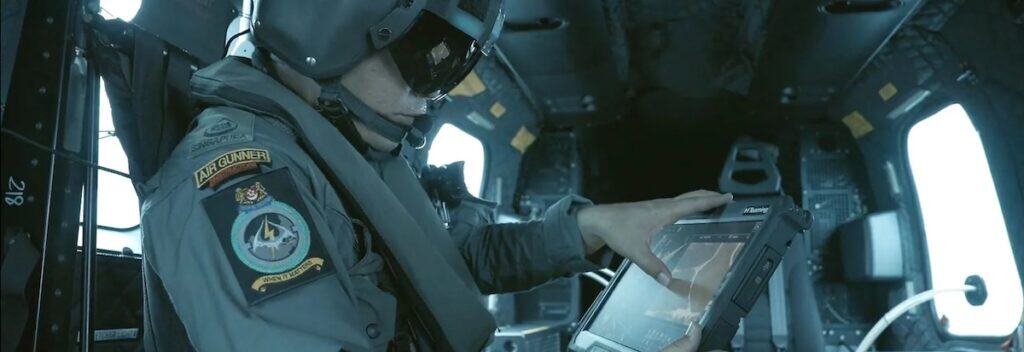
Rounding off February’s top content, Airbus and Singapore’s Defence Science and Technology Agency (DSTA) completed a flight campaign demonstrating advanced crewed-uncrewed teaming capabilities using the HTeaming system. The trials paired a Republic of Singapore Air Force H225M helicopter with an Airbus Flexrotor Uncrewed Aerial System (UAS) during a simulated search and rescue mission, enabling real-time data exchange and coordinated operation between the platforms.
The HTeaming system is modular and UAS-agnostic, enabling integration across the Airbus helicopter range and giving crews direct command and control of uncrewed assets in flight. The campaign used the Flexrotor VTOL UAS, which has a launch weight of 25 kg and supports Intelligence, Surveillance, Target Acquisition, and Reconnaissance (ISTAR) missions. In operation, the H225M helicopter receives live data from the Flexrotor, enhancing situational awareness and operational safety during complex or high-risk missions.
Collectively, February’s most-read stories explored advances in connectivity, autonomy, and operational innovation, while demonstrating how uncrewed systems are being applied in real-world missions. They reflect a sector increasingly focused on integration, resilience, and effectiveness, where emerging technologies are transitioning from development into practical use across defense and unmanned operational environments.