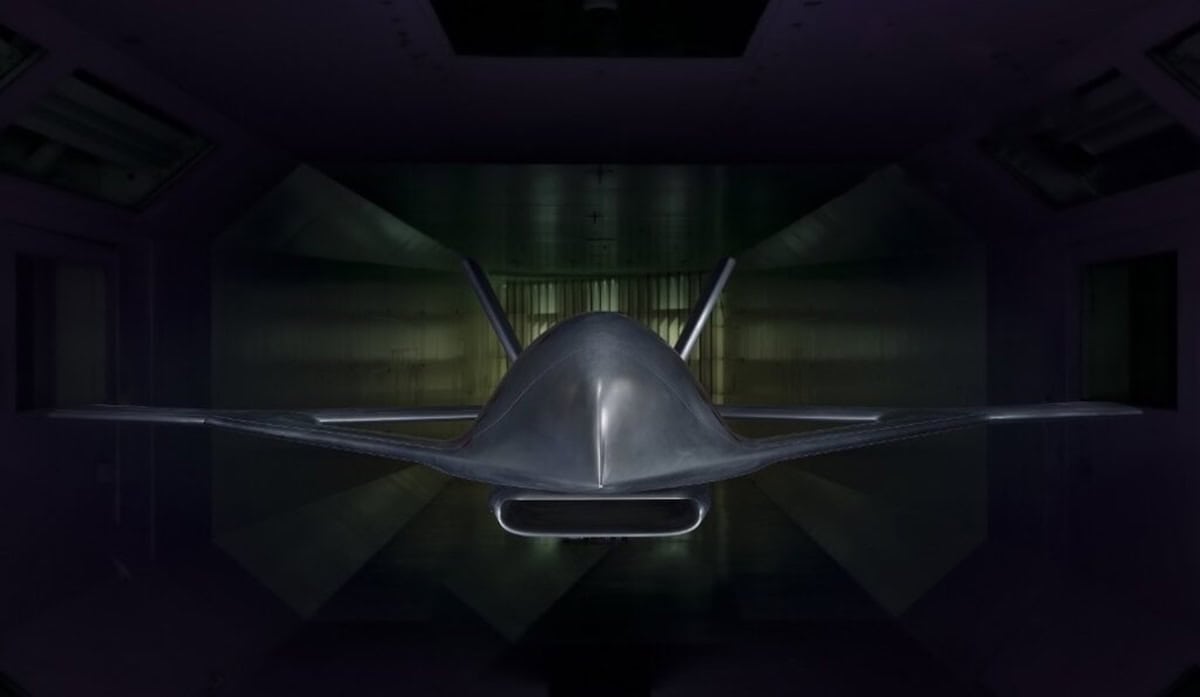
Aurora Flight Sciences is manufacturing the X-65 experimental aircraft to demonstrate how active flow control technology can replace traditional moving surfaces like flaps and rudders.
The project is part of the Defense Advanced Research Projects Agency (DARPA) Control of Revolutionary Aircraft with Novel Effectors (CRANE) program. By using jets of air to manage the aircraft’s pitch, roll, and yaw, Active Flow Control (AFC) is expected to significantly improve aerodynamics while reducing mechanical complexity and overall vehicle weight.
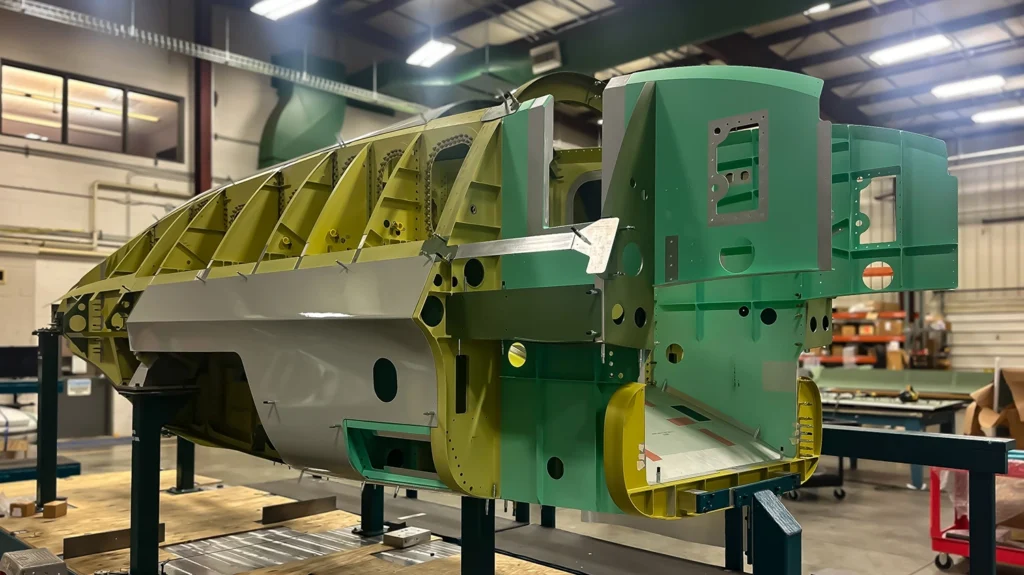
In August 2025, Aurora and DARPA finalized a co-investment agreement to see the X-65 through to its completion and inaugural flight. The program is currently moving toward a major milestone, with the completion of the fuselage scheduled for January 2026.
Manufacturing is well underway at Aurora’s facility in West Virginia, where teams are producing the fuselage, wing assemblies, and engine diffuser. Key components for the propulsion and AFC systems are already on-site and prepared for integration into the airframe.
The X-65 is a purpose-built testbed featuring a 30-foot wingspan and a gross weight of 7,000 pounds. Its design includes a pressurized air system that feeds fourteen AFC effectors embedded across the flying surfaces. To ensure the platform remains useful for future research, the aircraft utilizes a modular triangular wing design that allows for replaceable outboard wings and swappable effectors to test various AFC configurations.
“We’re excited to continue our longstanding partnership with DARPA to complete the build of the X-65 aircraft and demonstrate the capabilities of active flow control in flight,” said Larry Wirsing, VP of aircraft development at Aurora Flight Sciences. “The X-65 platform will be an enduring flight test asset, and we’re confident that future aircraft designs and research missions will be able to leverage the underlying technologies and flight test data.”