Discover World-Leading Unmanned and Autonomous Technologies
Discover cutting-edge solutions from leading global suppliers
October’s most-read stories highlight how innovation, endurance, and cross-border collaboration continue to shape the future of unmanned systems. From AI-driven defense partnerships to a record-setting subsea mission, readers showed strong interest in the technologies redefining operational capability and exploration.
The most-read article on UST in October was the announcement of a new partnership between Ukrainian manufacturer Skyeton and France’s Harmattan AI. The two companies are joining forces to integrate Harmattan’s advanced military sensor technology with Skyeton’s battle-proven Raybird UAS.
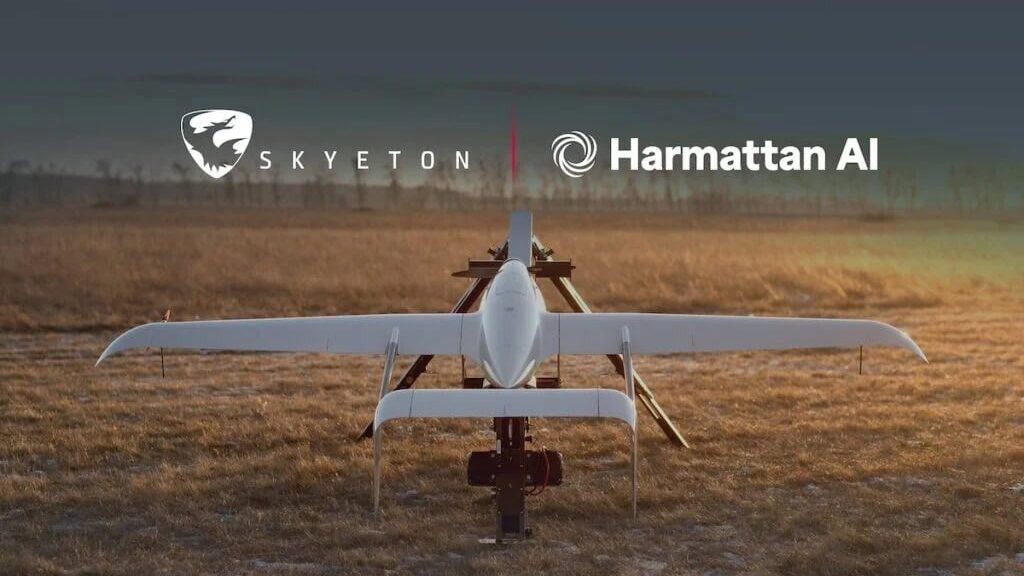
With over 350,000 combat flight hours already logged, Raybird is a proven asset in Ukraine’s defense operations, and the collaboration aims to extend its capabilities through AI integration and European industrialization. Readers were drawn to the story’s focus on how this partnership could accelerate Raybird’s adoption across global defense markets.
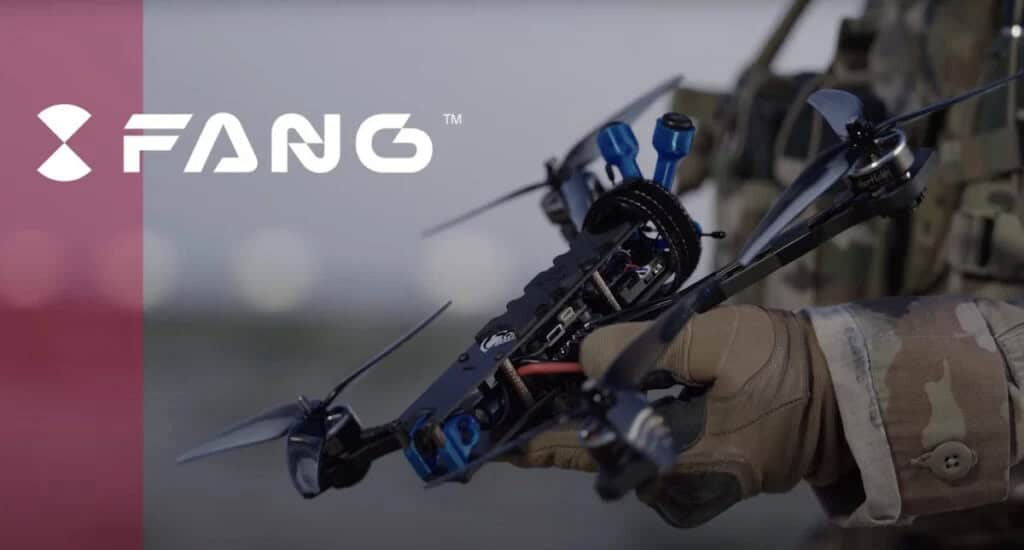
Also attracting significant attention this month was Red Cat Holdings’ introduction of the FANG line of NDAA-compliant FPV drones, launched at the AUSA Annual Meeting in Washington, D.C.
The first in the lineup, the FANG F7, offers a retrievable 7-inch design tailored for training and tactical operations. As part of Red Cat’s Arachnid Family of Systems, the FANG line delivers U.S.-built, secure FPV platforms designed to blend high performance with cost efficiency, an area clearly resonating with UST’s defense-focused readership.
On the events front, readers were eager to explore the newly announced agenda for Defence IQ’s Uncrewed & Autonomous Systems 2025 conference, set for December in London. The event promises to bring together senior military decision-makers, technology developers, and research leaders to explore the next phase of uncrewed and autonomous capability across air and ground domains.
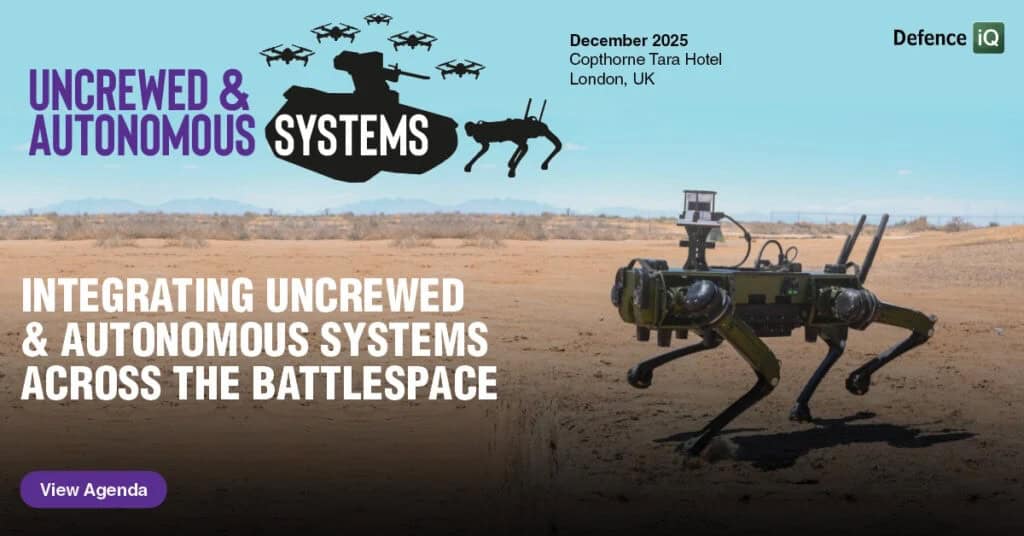
The newly released program features sessions on AI integration, human-machine teaming, and rapid development cycles, reflecting how the pace of technological change continues to accelerate across defense sectors. As the global security environment evolves, so too does the demand for smarter, faster, and more resilient systems, a theme echoed in this year’s speaker lineup.
Recent industry developments, such as BAE Systems’ partnership with Forterra to fast-track an autonomous variant of the U.S. Army’s Armored Multi-Purpose Vehicle, underscore the real-world urgency of the topics that will drive discussion at the event.
Interest in sustainable and energy-focused innovation was also strong, with many readers engaging with news of Cellen’s partnership with Enthusiast Hydrogen Corporation. The two companies are pioneering aerial detection and mapping of naturally occurring hydrogen across the U.S., combining Cellen’s hydrogen-powered H2-6 UAS with Enthusiast Hydrogen’s LDLARS sensor technology.
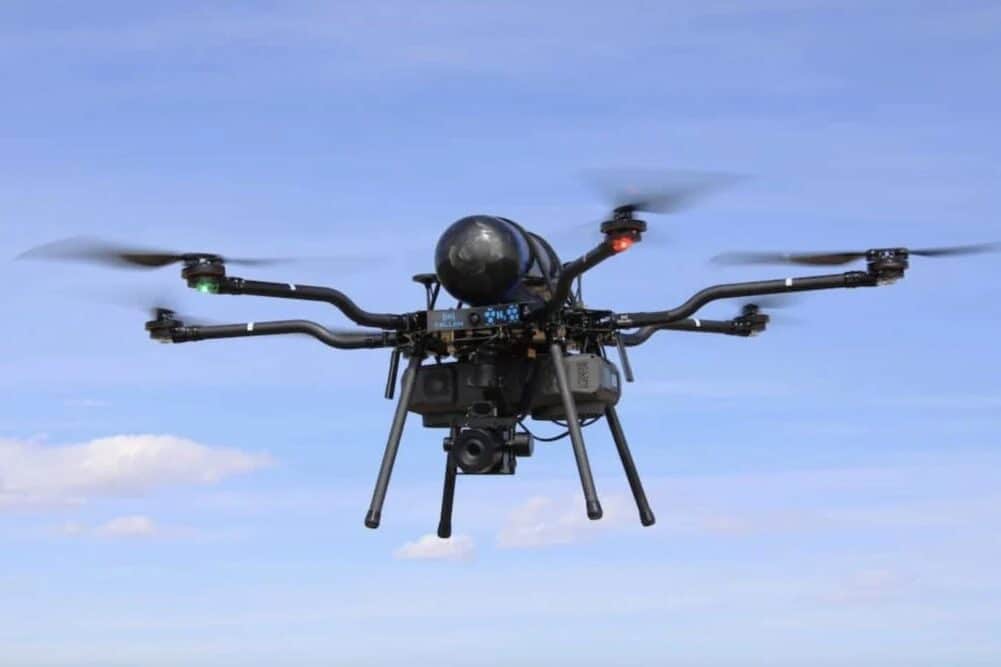
This collaboration highlights how hydrogen propulsion and sensing technologies are converging to expand the frontiers of energy exploration and environmental monitoring.
Rounding out the month’s top stories was the start of a world-first underwater mission that captured the imagination of UST’s readership.
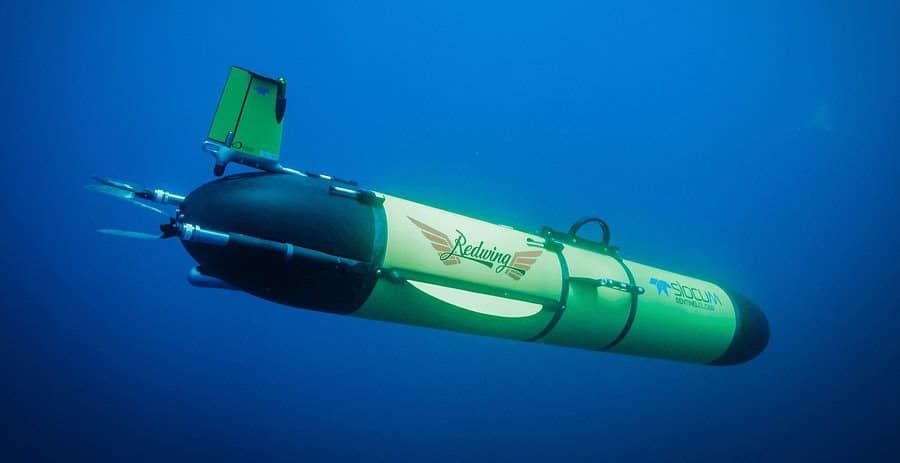
Developed by Teledyne Marine and Rutgers University, an autonomous glider named Redwing has set off on a five-year mission to circumnavigate the globe. The Sentinel Mission will collect vital oceanic and climate data to refine weather models and advance long-endurance unmanned ocean exploration, a milestone moment for subsea autonomy.
Launched earlier this month from the Woods Hole Oceanographic Institution in Massachusetts, the glider represents the culmination of decades of progress in autonomous ocean observation. Built for endurance and data quality, the Redwing is designed to operate continuously for years, surfacing periodically to transmit environmental data critical to weather forecasting, hurricane prediction, and climate modeling.
Collectively, October’s most-read articles reveal a domain advancing toward intelligence, endurance, and integration. Whether in the air, at sea, or beneath it, the stories reflect a sector increasingly defined by collaboration, between nations, between technologies, and between manned and unmanned systems. They also signal where the industry’s attention is heading next: toward scalable autonomy, sustainable power, and missions that prove these systems can operate, and deliver, at global scale.