Discover World-Leading Unmanned and Autonomous Technologies
Discover cutting-edge solutions from leading global suppliers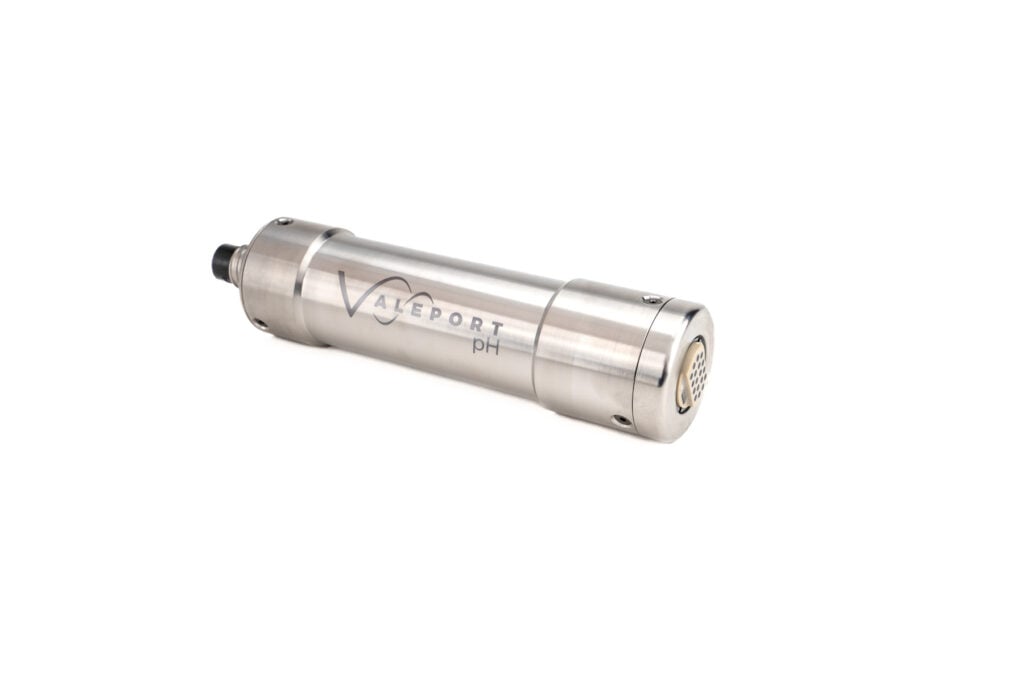
Teledyne Valeport, in collaboration with ANB Sensors, is set to launch a next-generation self-calibrating pH sensor engineered for accurate and reliable long-term pH monitoring in marine environments.
This sensor offers a robust alternative to conventional glass electrode solutions, eliminating many of the limitations traditionally associated with pH measurement in oceanographic applications.
Conventional pH measurement technologies rely on glass electrodes, which, while precise, are prone to reference electrode drift and require regular recalibration. These systems are also delicate, with strict handling and storage requirements, making them less than ideal for harsh or extended deployments.
In contrast, the new Teledyne Valeport pH sensor integrates ANB Sensors’ patented calibration-free technology with Teledyne Valeport’s proven engineering to deliver a self-calibrating, solid-state solution. This innovation significantly reduces downtime, minimizes maintenance costs, and enables longer deployment durations without compromising data integrity.
Built with a rugged titanium housing, the sensor is rated for operation at depths up to 1250 meters and achieves an accuracy of ±0.1 pH. Designed for seamless integration into a wide array of platforms—ranging from fixed monitoring stations and oceanographic buoys to ROVs, AUVs, and ASVs—the sensor offers exceptional versatility across marine monitoring and autonomous systems applications.
Key performance and design features:
- Solid-state architecture: Enhances durability and longevity in demanding ocean environments.
- In situ calibration: Eliminates the need for frequent manual recalibrations, reducing operational overhead.
- Reference drift compensation: Ensures consistent accuracy over extended timeframes.
- Biofouling mitigation: A built-in biocide release system helps keep the sensor clean, maintaining reliable performance.
- Advanced temperature response: Improves precision in dynamic thermal conditions.
With a length of 204mm, a diameter of 47mm, and weighing less than 1kg in air, the Teledyne Valeport pH sensor is compact and easy to handle. It operates on a 9–28 V DC input with a low power draw of less than 32 mA at 12 V DC, making it ideal for both powered and battery-operated deployments.
The Teledyne Valeport pH sensor will be showcased at Ocean Business 2025 in Southampton, April 8–10. Attendees can visit Teledyne Marine at Stand T7 for a firsthand look at the sensor and its capabilities.