General Atomics Aeronautical Systems, Inc

Mission Payloads Tested on MQ-25 Surrogate UAS

By Mike Ball / 04 Jul 2018
Follow UST

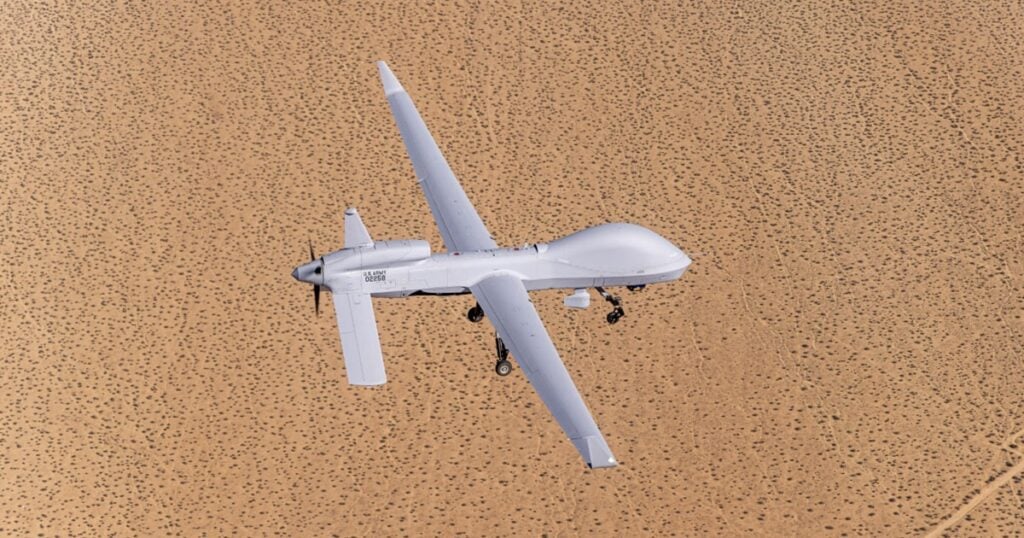
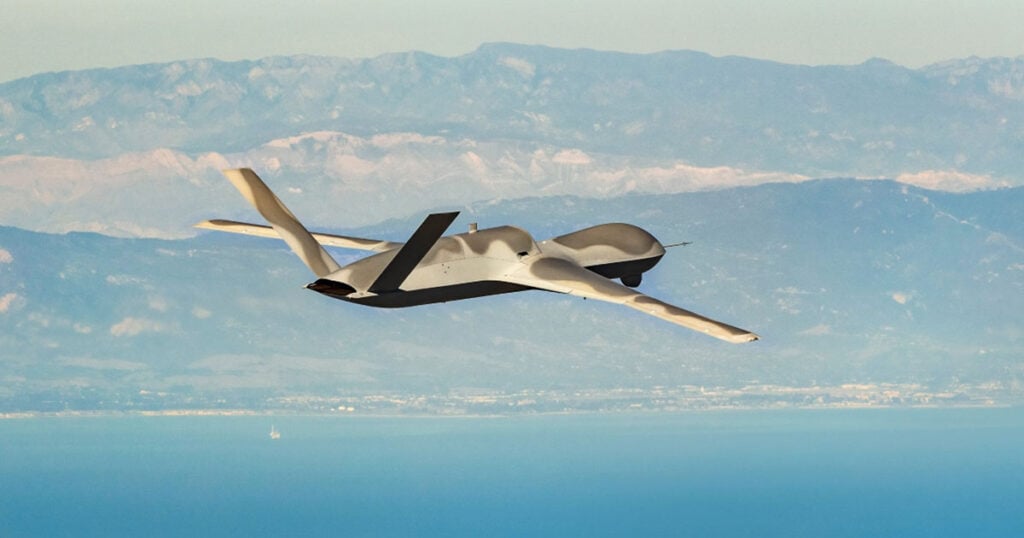
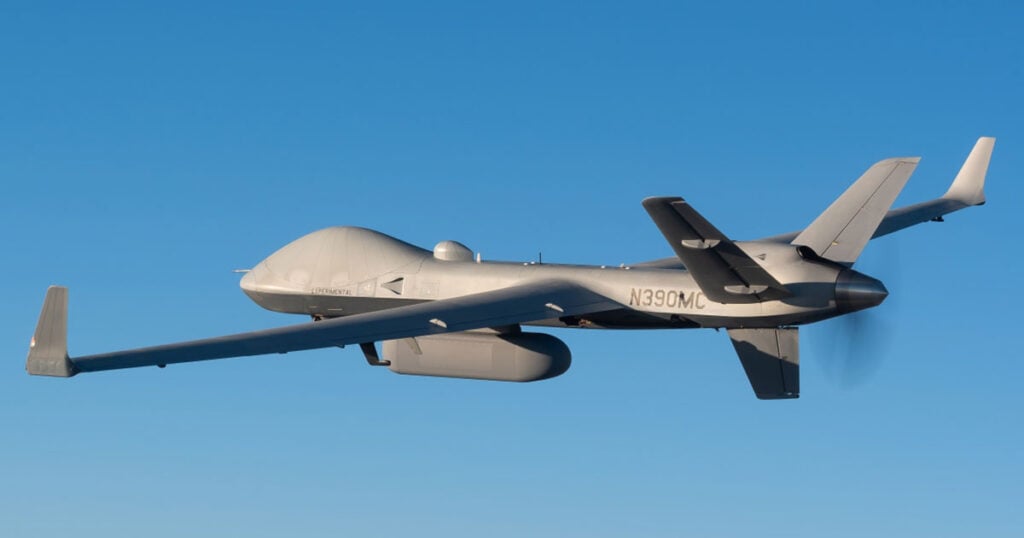
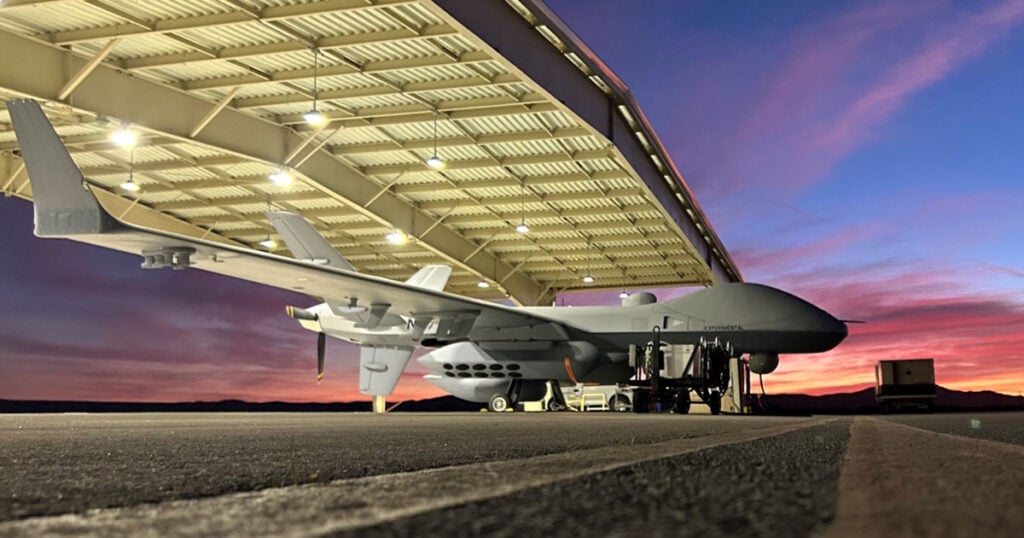
GA-ASI MQ-25 unmanned tanker aircraft

General Atomics Aeronautical Systems, Inc. (GA‑ASI) has announced that it has successfully flown its MQ-25A surrogate unmanned aerial system (UAS) – a Predator C Avenger – outfitted with a representative set of mission payloads, including Electro-optical/Infrared (EO/IR), Electronic Support Measures (ESM), Automatic Identification System (AIS), and Mission Processing. MQ-25 is the U.S. Navy’s proposed unmanned aerial refueling aircraft program.

“Our ability to be agile has always been an important business driver for GA-ASI,” said Linden Blue, CEO, GA-ASI. “This representative mission system design for the MQ-25 leverages our strength and experience in developing open-architecture systems, which offer a flexible growth path towards future payloads.”

The GA-ASI team built upon its analysis performed under the Navy’s Concept Refinement contract to develop a scalable mission architecture that supports Open Mission System (OMS) standards and the Navy Inter-operability Profile (NIOP) datalink.

During the flight, the MQ-25A surrogate’s payloads were remotely commanded by GA-ASI’s extensible payload command and control (C2) system. The team will leverage this software to enhance the Navy’s Unmanned Carrier Aviation Mission Control System (UMCS). Between flights, GA-ASI quickly re-configured the UAS with different payloads to demonstrate the system’s modular design and the benefits of an open architecture solution.


To learn more, visit the General Atomics Aeronautical Systems, Inc Partner Hub: Innovation Partner Hub
Posted by Mike Ball Mike Ball is our resident technical editor here at Unmanned Systems Technology. Combining his passion for teaching, advanced engineering and all things unmanned, Mike keeps a watchful eye over everything related to the unmanned technical sector. With over 10 years’ experience in the unmanned field and a degree in engineering, Mike’s been heading up our technical team here for the last 8 years. Connect

More from General Atomics Aeronautical Systems, Inc

GA-ASI Engineers Honored with Prestigious AIAA San Diego Awards

General Atomics Aeronautical Systems engineers and teams earned prestigious AIAA San Diego awards recognizing achievements in uncrewed aviation, aerospace management, and technical leadership during 2025

Jun 04, 2026
GA-ASI Demonstrates Manned-Unmanned Teaming in Autonomy Exercise

General Atomics Aeronautical Systems has demonstrated manned-unmanned teaming capabilities during a joint autonomy exercise involving an MQ-20 Avenger® surrogate Collaborative Combat Aircraft and an F-35 fighter jet using beyond line of sight communications

May 29, 2026
GA-ASI & US Air Force Return YFQ-42A CCA to Flight Testing Following Software Updates

Following a brief strategic pause and successful software remediation, General Atomics Aeronautical Systems' YFQ-42A has resumed flight operations to continue its next-generation technology maturation and risk reduction mission

May 26, 2026
GA-ASI & Saab Complete Initial Flight of RPA Equipped With Early Warning Radar

GA-ASI and Saab have successfully conducted the first flight of the MQ-9B aircraft with LoyalEye pods, advancing next-generation airborne early warning capabilities

May 22, 2026
GA-ASI & USAF Successfully Test Laser-Guided Rockets for MQ-9A Reaper®

GA-ASI and the U.S. Air Force demonstrate new low-cost aerial intercept capabilities using laser-guided rockets on the MQ-9A Reaper®

May 13, 2026
GA-ASI Commends VMU-3 & Capt. Goar for Prestigious Marine Corps Aviation Awards

Marine Unmanned Aerial Vehicle Squadron 3 has been named the USMC’s UAV Squadron of the Year for exceptional operational effectiveness using the MQ-9A platform within the Marine Air-Ground Task Force program

Apr 28, 2026
Advancing Unmanned Systems Through Strategic Collaboration UST works with major OEMs to foster collaboration and increase engagement with SMEs, to accelerate innovation and drive unmanned systems capabilities forward.