
Drone Training Software
Discover cutting-edge solutions from leading global suppliers
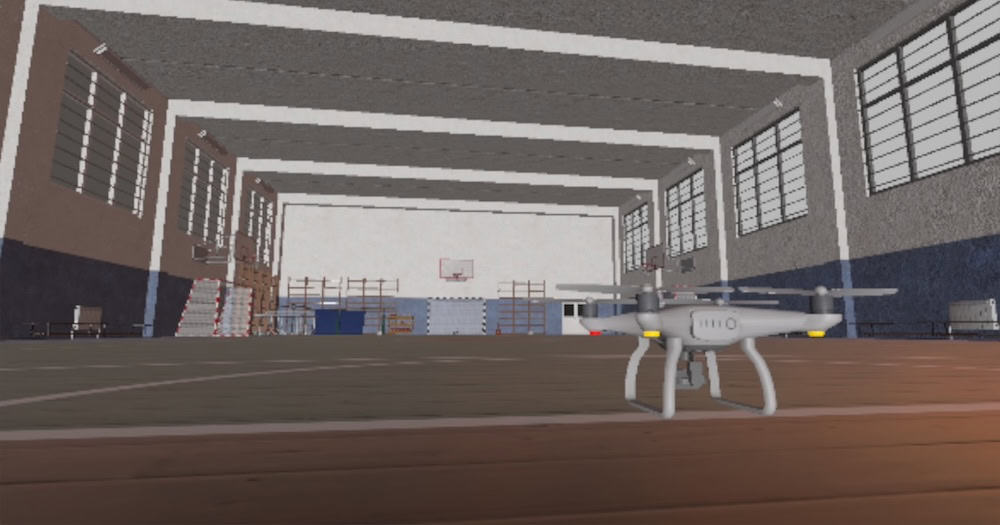
Zephyr is a state-of-the-art simulation and training software suite for drone industry professionals, instructors and hobbyists alike.
In this Q&A, members of the Zephyr team discuss how the company’s simulation platform delivers realistic, adaptable drone training. They share how Zephyr evolves with emerging small Unmanned Aircraft Systems (sUAS) technologies, integrates real-world feedback, and helps pilots build practical flight proficiency through safe, scalable simulations.
Zephyr features unique physics models for a wide range of popular sUAS platforms. How do you ensure the simulation closely mirrors real-world drone behavior, and how often are these models updated to reflect evolving drone technology?
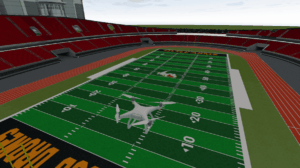 Stew Van Buren, Co-Founder & CTO: Our team gets a lot of hands-on experience with drones through partnerships with leading industry manufacturers. This helps us capture the precise flight ‘feel’ that pilots experience every day and guides the ongoing upgrades we make to our physics engine. Because Zephyr is a simulator, it must reflect real-world flight as accurately as possible. By working closely with our industry partners, we’re able to achieve that realism and continually refine it as we learn.
Your platform offers Beginner, Hobbyist, and Professional tiers. How does Zephyr adapt training scenarios to suit different user skill levels while ensuring progression toward real-world proficiency?
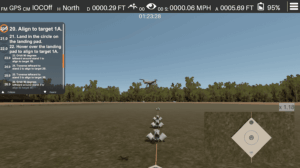 Kyle Bishop, Co-Founder, CEO: We utilize feedback whenever possible to identify and fill gaps in the industry. We’re honest about the fact that we don’t know what we don’t know, and that openness drives our innovation. Real-world cases from our users help us adapt the simulator to meet evolving needs and applications. To say there’s no limit to what we can develop, apply, or provide is an understatement.
We work hard to stay on the bleeding edge of drone technology and its real-world uses, and we’re committed to maintaining our position as a leader in dynamic, next-generation drone simulation for years to come.
Zephyr includes specialized modules like warehouse navigation and bridge inspection. Are new mission-specific modules in development, and how do you decide which scenarios to prioritize?
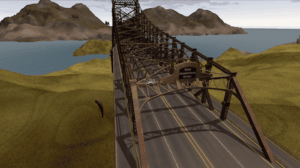
Dustyn Brewer, Branding & Client Success Manager: As we mentioned earlier, it all comes down to being good listeners and good partners with our clients. When we get a request from a major University like Clemson, we listen. When a branch of the military speaks up about certain conditions within a scenario, we listen. When an enthusiast notices a bug, or would like to see more acrobatic capabilities, we listen.
We have a predetermined schedule for requests and releases, but we’re always open to suggestions we gather at events and visits with clients. It’s what makes us more of a partner than a vendor. We want to provide the most realistic experience, and we can only do this by living outside of an industry bubble.
Zephyr is used by enterprise clients, government agencies, and emergency services. Can you share examples of how your platform has improved operational readiness or reduced risk for these organizations?
Beau VanBuren, Marketing Manager & Event Coordinator: To put it plainly, Zephyr helps pilots develop the muscle memory needed to become effective operators, without the stress or risk of injury to people or damage to property, regardless of environmental conditions. When a pilot can experience the real-world physics of drone flight without worrying about crashing expensive and mission-critical equipment—especially for organizations working with limited government or educational budgets—that’s when genuine learning begins.
Building this muscle memory and experience allows pilots to handle the stress of real-world situations, focus on the task at hand, and fall back on their training if they feel overwhelmed.
With Zephyr supporting both Windows and MacOS, how do you ensure consistent performance across platforms, especially for complex simulations, and what steps have you taken to make the platform accessible worldwide?
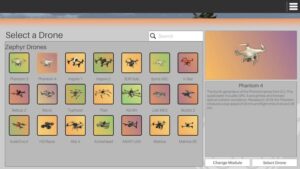 Alex Estep, Co-Founder, VP Production: It all comes down to our team working hands-on with both operating systems and rigorously testing before every implementation. We know the product inside and out because we build and own it from start to finish. That said, the process doesn’t end with us, we actively seek feedback from our clients. Their input does more to inform our testing and improvements than anything else.
We’re continually impressed by the candor of our users and grateful for their insights. Our sim doesn’t work without feedback. We take pride in designing a stellar product, but we’re also humble enough to recognize that perfection is earned through listening, learning, and constant refinement.
As drone technology continues to evolve, how does Zephyr stay ahead in providing realistic training for the latest sUAS platforms and emerging mission types?
Dustyn Brewer, Branding & Client Success Manager: This is where we really shine. We’ve been doing this for more than 13 years, and staying informed and open to critique has been key to our success. We’re proud to be an industry leader across the drone ecosystem, working closely with our partners to ensure accessibility for all and to contribute wherever possible to the broader conversation around drone policy and best practices.
The industry is advancing rapidly, and staying informed is critical. We look outward as much as we look inward, remaining receptive to input so we can stay versatile and prepared for what’s next. It’s a sweet spot for our team, and we’re incredibly proud of the work we’ve done and the future we’re building.
Thank you for your time. It has been a pleasure speaking with the Zephyr team, and we look forward to following the platform’s continued evolution and growing adoption across training, enterprise, government, and public safety sectors.