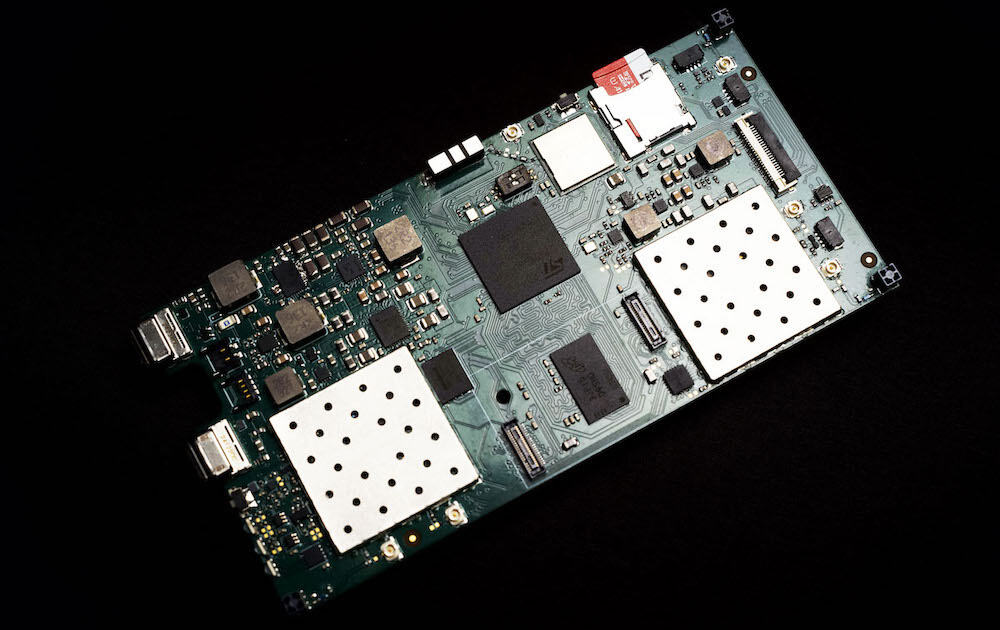

Beechat Network Systems has observed a significant rise in public awareness and interest surrounding mesh radios and off-grid communication devices over the past year.
The Shift Toward Decentralised Networks
The transition of technical concepts from engineering and defence circles into the general consciousness has highlighted a growing demand for resilient tools that function without mobile networks. A mesh radio acts as a node within a network where every device can relay messages, allowing the system to adjust automatically if a link fails. This architecture is increasingly vital for urban rescue teams, UAV telemetry, drone fleets, and tactical operators utilizing Software Defined Radio (SDR) for coordinated maneuvers.
Narrowband Versus Professional Platforms
While LoRa-class narrowband radios have become popular for experimentation and personal messaging, they possess inherent limitations in throughput and capacity. These systems are excellent for low-rate telemetry but often face congestion and packet loss as node counts increase. Professional users operating in complex RF environments require more robust solutions.
In contrast to narrowband devices, professional Wideband Mesh SDR platforms utilize OFDM waveforms and MIMO techniques to provide multi-megabit throughput. These systems are designed to simultaneously carry command and control data, sensor feeds, and live situational awareness overlays while maintaining stable links for fast-moving nodes.
Defining Professional Standards
A professional mesh platform is distinguished by specific technical capabilities:
- Multi-band operation combining sub-GHz and 2.4 GHz links.
- Frequency agility and hopping to mitigate interference.
- Secure boot and hardware-rooted AES-256 encryption.
- Ruggedised hardware built for thermal performance in the field.
“The Kaonic platform was designed from the ground up as a professional, dual-use mesh SDR for both civilian and defence deployments.” By operating across multiple bands, the Kaonic platform enables long-range penetration and high-bandwidth links within a single compact system. “With two transceivers per band, Kaonic supports concurrent operation across sub-GHz and 2.4 GHz, delivering multi-megabit aggregate throughput under licensed or authorised configurations.”
The Future of Operational Connectivity
The current surge in interest serves as a bridge between consumer curiosity and professional adoption, encouraging developers to explore mesh technologies for robotics and Military IoT environments. “Kaonic is engineered for straightforward integration into UAVs, ground vehicles and dismounted kits, with modular expansion via M.2 FPGA and AI plug-ins for advanced robotic and autonomy applications.” As the industry evolves, the focus remains on providing clarity and equipment that meets real-world operational demands beyond simple experimentation.