



Discover World-Leading Unmanned and Autonomous Technologies
Discover cutting-edge solutions from leading global suppliers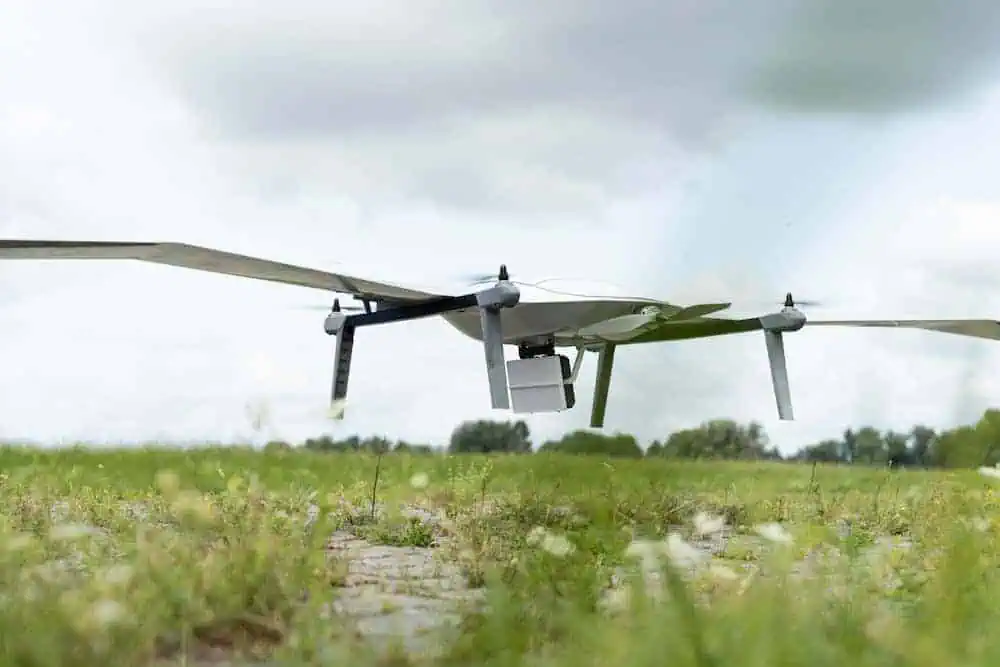
The rise of autonomous drone warfare has forced militaries worldwide to rethink air defense. Conflicts such as Ukraine have demonstrated how rapidly deployed, low-cost uncrewed aircraft systems (UAS) can alter battlefield dynamics, overwhelming traditional defense methods.
Against this backdrop, Alpine Eagle has positioned its Sentinel air-to-air counter-drone system as a disruptive solution to a growing and urgent threat.
While significant investment has flowed into drone technology, effective counter-UAS capabilities remain underdeveloped. Incidents such as the 2018 Gatwick Airport disruption, where rogue drones grounded 1,000 flights, underscore vulnerabilities not only on the battlefield but also in civilian airspace. According to Alpine Eagle, the absence of scalable solutions represents a critical capability gap for both military and homeland security operations.
An Air-to-Air Approach
Sentinel is described as the world’s first air-to-air counter-drone system, designed to detect, classify, and defeat small hostile drones. Unlike ground-based systems, it can be integrated into existing airborne or defense platforms, giving forces a flexible means of intercepting UAS threats before they reach sensitive targets such as troops, vehicles, or critical infrastructure.
The system has already been supplied to the German military and was evaluated in a joint UK–US trial under the UK Ministry of Defence’s Project Vanaheim, a program dedicated to finding new ways to counter UAS. The exercise highlighted how integrating Sentinel into military networks could provide layered protection against swarming drone attacks, a scenario increasingly relevant in modern conflicts.
Expanding European Defense Capabilities
Alpine Eagle is also pursuing a strategy of local investment and partnerships to expand its presence in the UK and Europe. The appointment of Michael Golden, a former Royal Navy aerospace engineer, as Commercial Director and Head of UK reflects this focus. Golden is tasked with driving collaboration with British defense suppliers, fostering manufacturing capability, and spearheading new product development for future export.
Emphasizing that counter-drone solutions must be developed by Europe, for Europe, Michael Golden commented, “Whilst a huge amount of attention has been focused on drone technology, there has been very little energy dedicated to developing systems that can reliably and effectively protect against the thousands of drones being used in warfare, until now.
“The UK and Europe face the same challenge, and the UK’s military strength and influence on the world stage mean that it must be an integral part of the solution. We have to do this together, and that means that any solution built has to be by Europe, including the UK, for Europe. All of us together.”
Alpine Eagle’s founder and CEO, Jan-Hendrik Boelens, believes that the shifting nature of warfare demands new thinking in procurement and defense strategy saying, “The fundamental shift in how war is being fought in Ukraine demonstrates how national governments need to transform their thinking behind technology, procurement and warfare. By investing in local talent like Michael, developing strategic partnerships with local businesses and developing local manufacturing capacity, we’re committed to working with the UK as part of our wider mission to build European defence capabilities that can protect European interests.”