Discover World-Leading Unmanned and Autonomous Technologies
Discover cutting-edge solutions from leading global suppliers
May 2026’s most-read stories on Unmanned Systems Technology reflected continued momentum in operational performance, resilient connectivity, and autonomous capability across air, land, and maritime domains.
This month’s most-read articles covered next-generation drone battery technology, autonomous tracking and connectivity systems, modular Uncrewed Ground Vehicles (UGVs), maritime robotics conferences, and training pathways supporting the future uncrewed aviation workforce.
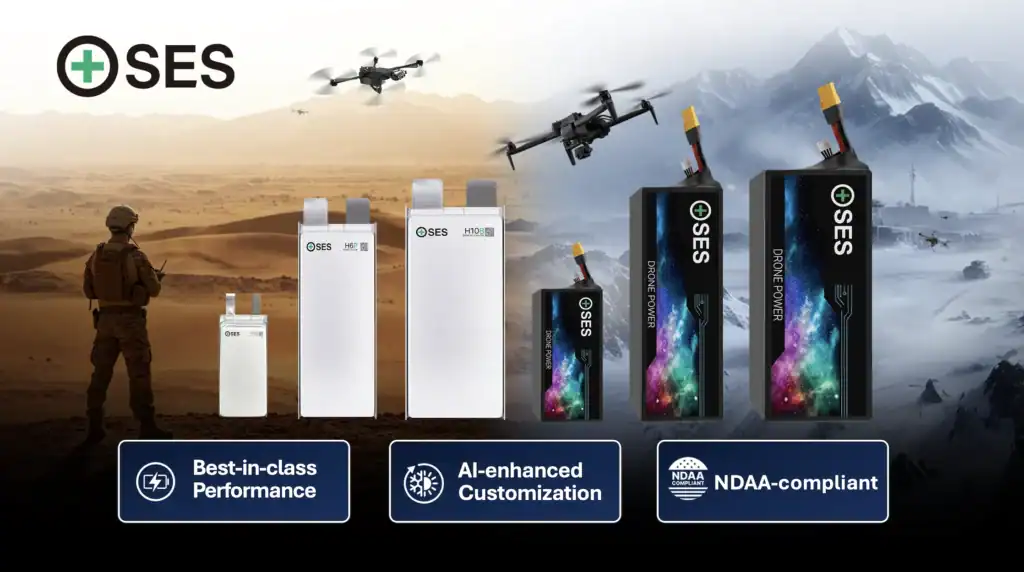
Leading May’s readership, SES AI attracted significant attention at XPONENTIAL 2026 with its showcase of next-generation high-energy-density batteries for unmanned systems. The company’s 10Ah battery portfolio, including high-energy, high-power, and balanced-performance variants, is designed to support longer endurance, increased payload capability, and operational reliability across defense, Intelligence, Surveillance, and Reconnaissance (ISR), and commercial drone applications. SES AI further highlighted its NDAA-compliant manufacturing capabilities and AI-driven Molecular Universe platform, which accelerates battery development and optimization for demanding operational environments.
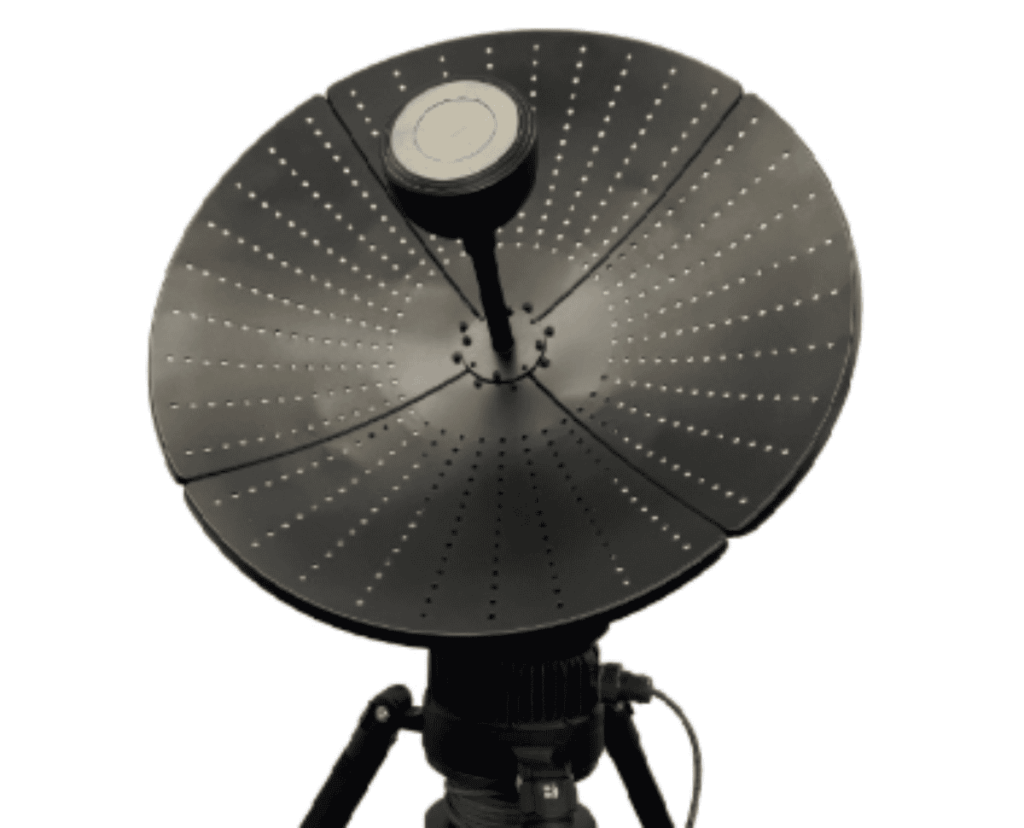
Attention also focused on resilient communications technology with the launch of the BluTrak-90-D Autonomous Tracking Antenna. Designed to maintain stable high-gain data links during long-range and complex Unmanned Aerial Vehicle (UAV) missions, the new system from DTC, a Codan Company, autonomously tracks moving platforms using embedded onboard processing without requiring manual alignment or external processing.
Supporting operations in GNSS-denied environments, DTC’s technology is intended for applications including Intelligence, Surveillance, and Reconnaissance (ISR), Beyond Visual Line of Sight (BVLOS) drone operations, and broadcast coverage where dependable connectivity is critical.
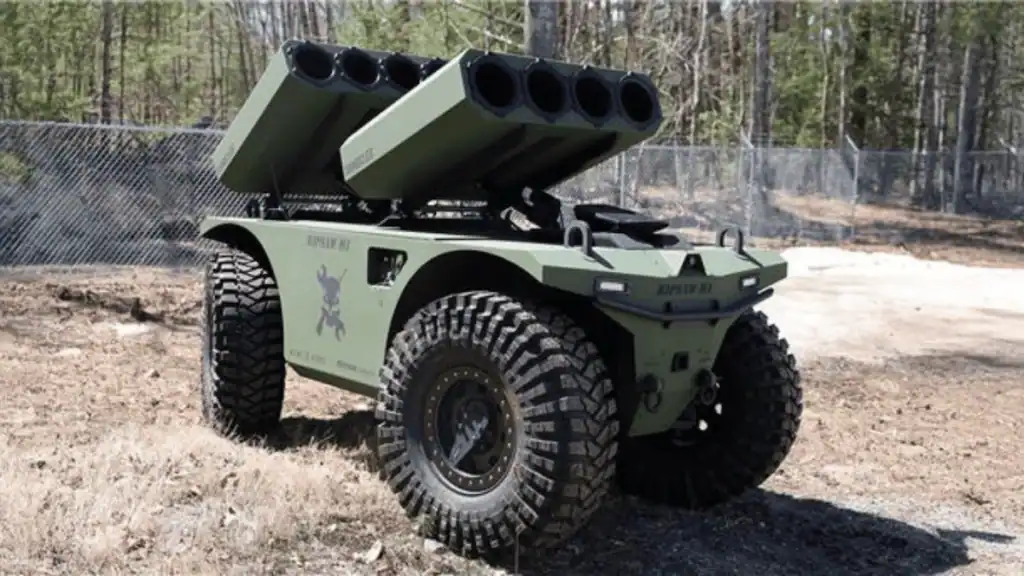
In parallel, autonomous ground systems featured prominently as Textron Systems and Howe & Howe unveiled the RIPSAW M1 technology demonstrator at Modern Day Marine 2026. Engineered as a modular UGV platform aligned with the U.S. Marine Corps Force Design 2030 strategy, the system is designed to support littoral mobility, Reconnaissance, Surveillance and Target Acquisition (RSTA), Counter-Unmanned Aircraft System (C-UAS) operations, and loitering munition deployment while advancing uncrewed teaming concepts across contested operational environments.
Maritime autonomy and naval integration remained a prominent theme with the announcement of Unmanned Maritime Systems Technology USA (UMST USA) 2026, taking place in Arlington, Virginia, from 14–16 September 2026.
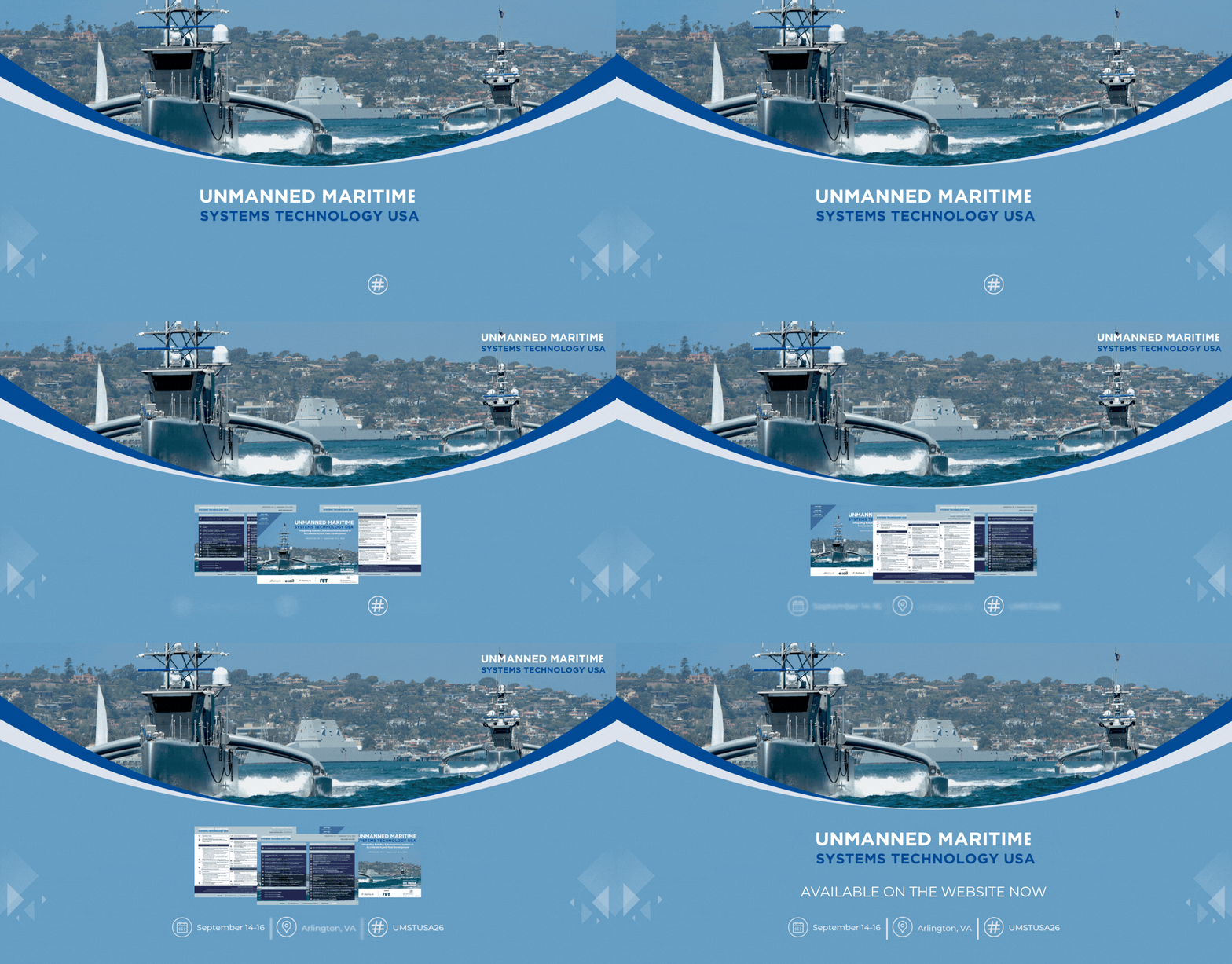
Organized by SAE Media Group, the conference will bring together naval leaders, government agencies, allied partners, and industry stakeholders to examine the operational integration of robotics and autonomous systems across the Hybrid Fleet, with discussion areas spanning maritime infrastructure protection, interoperability, acquisition, and real-world lessons from contested maritime environments.
Wrapping up May’s top stories, attention turned to Embry-Riddle Aeronautical University’s Uncrewed Aircraft Systems (UAS) training courses designed to prepare students and professionals for careers in uncrewed aviation. Delivered through the university’s Worldwide Campus, the programs combine operational training, regulatory knowledge, mission planning, photogrammetry workflows, and Federal Aviation Administration (FAA) Part 107 preparation, supporting practical skill development across commercial and public-sector drone applications.
Together, May’s most-read articles highlighted how advances in energy systems, resilient communications, autonomous platforms, and professional training are helping expand the operational reach, adaptability, and long-term development of uncrewed technologies across defense and commercial applications.