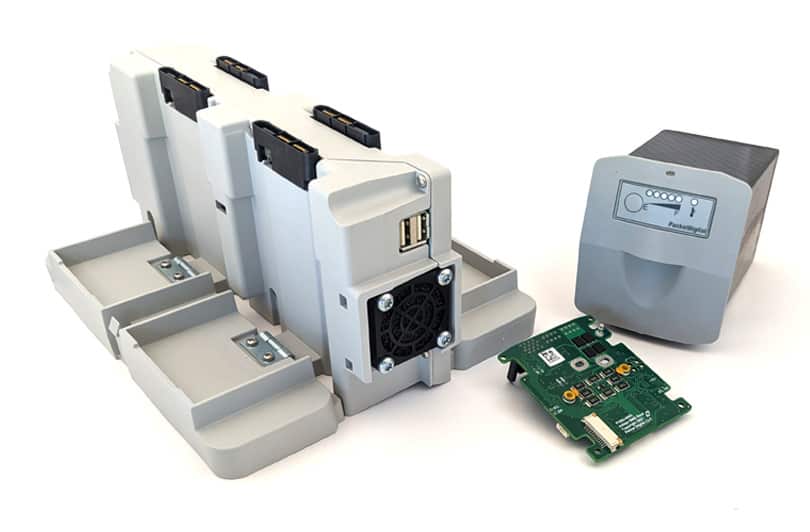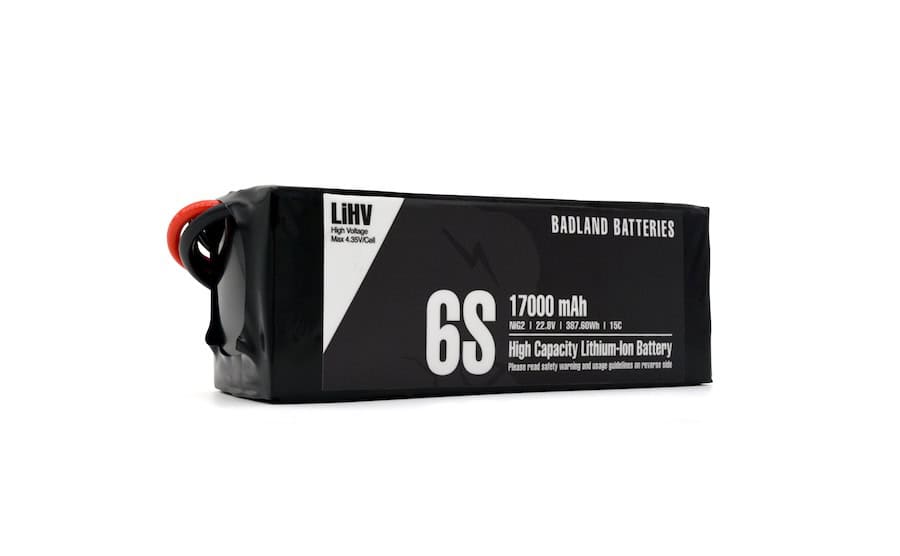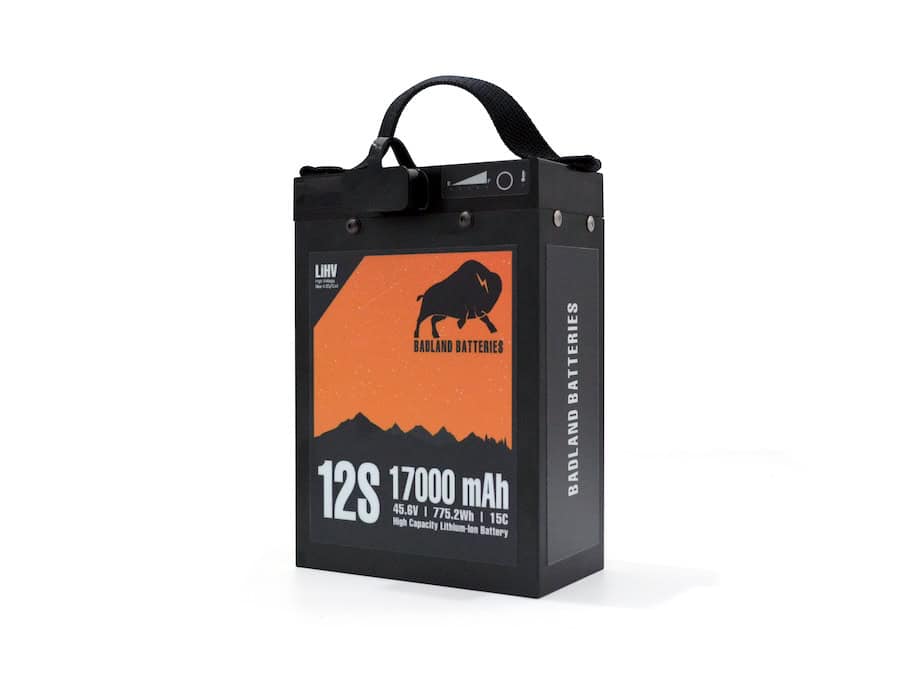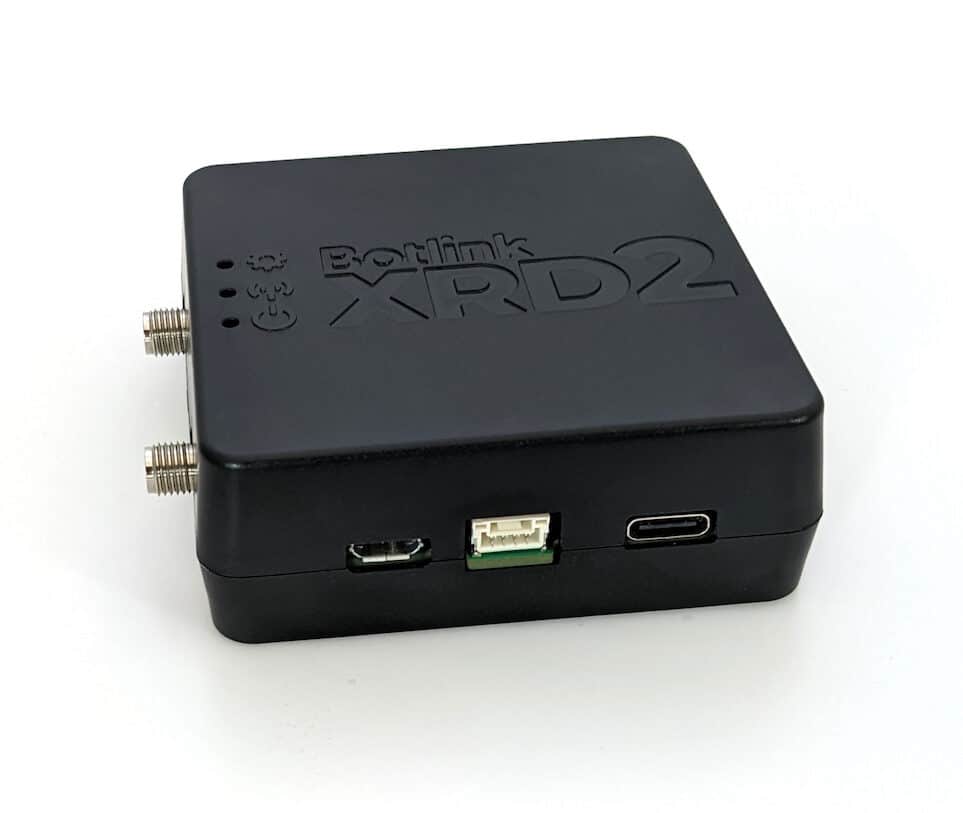
Packet Digital and its subsidiary, Badland Batteries, have entered a $9.8 million third phase of a U.S. Navy contract to commence large-scale manufacturing of advanced lithium-ion battery cells.
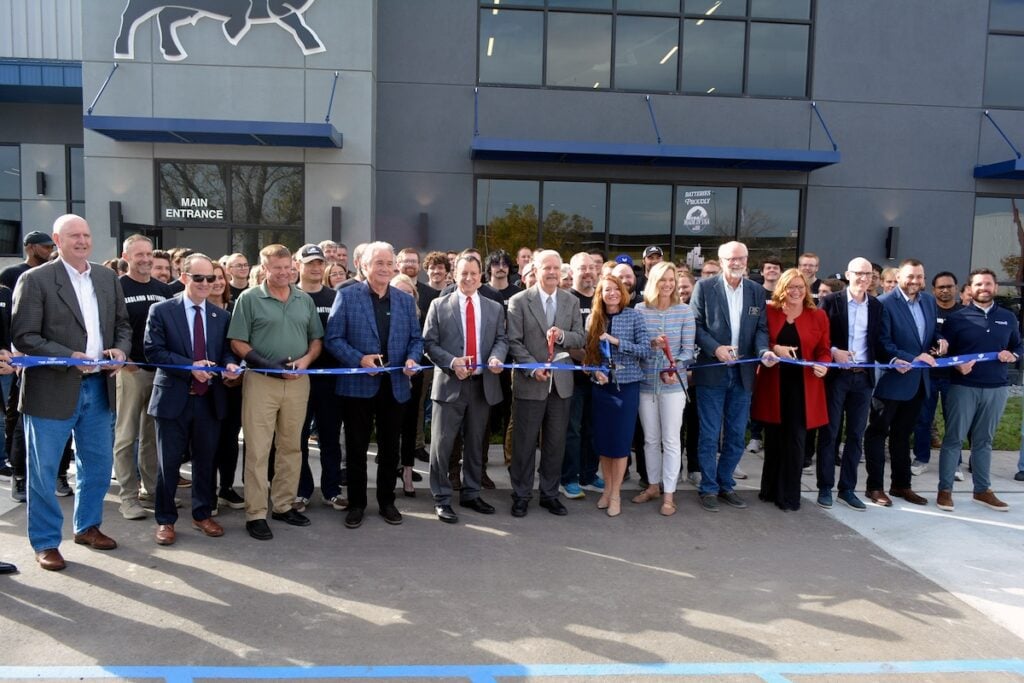
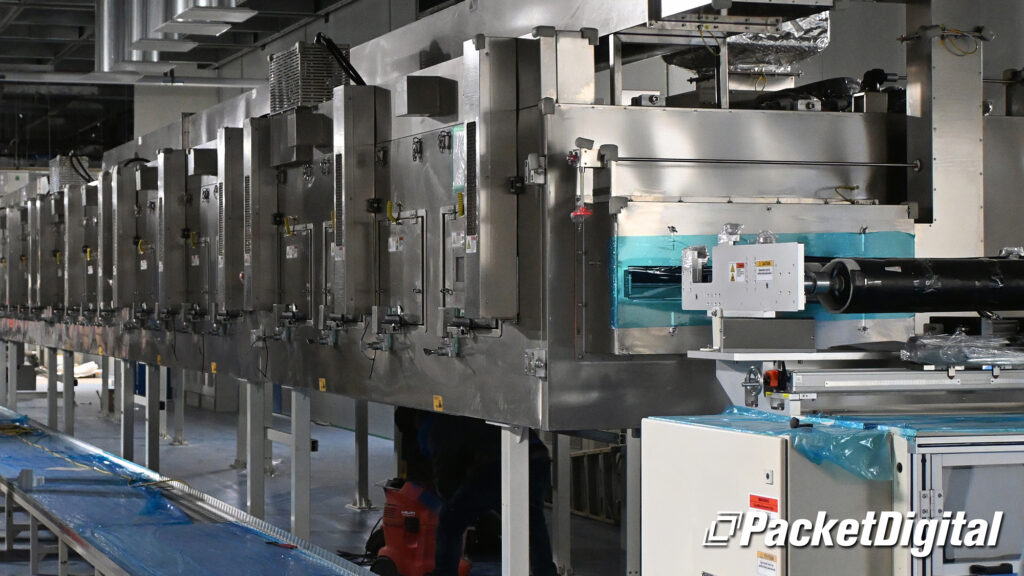
This development follows the successful completion of Phase 2, which saw the design and construction of the Badland Batteries cell plant in Fargo, North Dakota. The project now shifts from facility build-out and equipment installation to commissioning and high-volume manufacturing throughput. The effort is part of the Logistics UAS Family of Advanced Batteries program, aimed at supporting unmanned aerial systems and broader defense requirements.
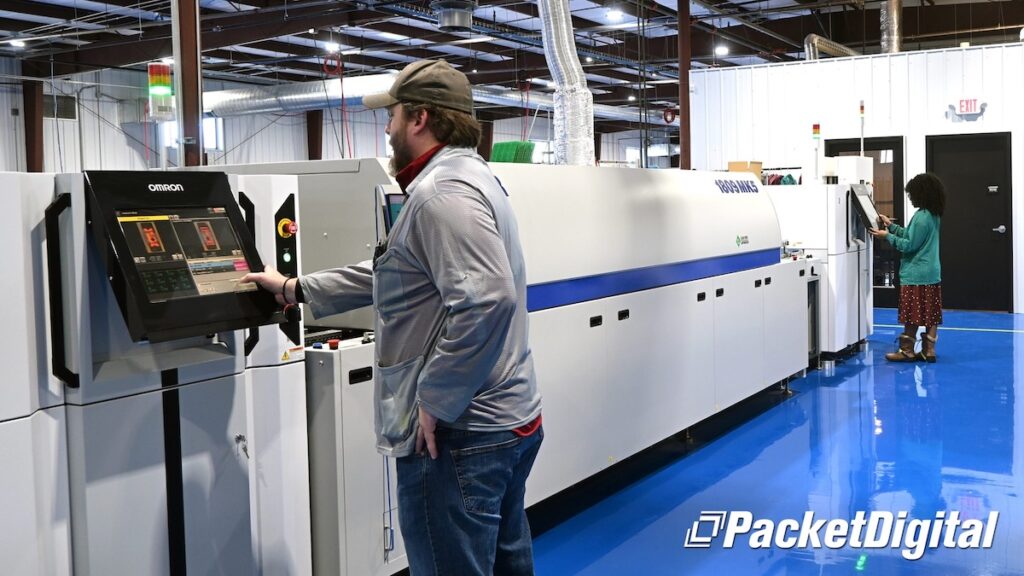
The transition to Phase 3 involves validating large-scale material supply chains and qualifying production equipment to meet specific Navy requirements. The facility is engineered to support various high-performance lithium-ion chemistries, providing the flexibility needed for evolving mission profiles. This expansion represents a move toward domestic, NDAA-compliant battery production intended to reduce reliance on foreign supply chains.
Terri Zimmerman, CEO of Packet Digital, commented, “Completing our factory build and moving into production ramp-up is a critical inflection point for our company, but more importantly for domestic battery manufacturing for national defense. Phase 3 is where years of planning, engineering and investment turn into high-rate production capability for the U.S. Navy, national defense and commercial markets.”
The project has received legislative support aimed at fostering manufacturing jobs within North Dakota while securing the defense industrial base. The domestic production of these cells is viewed as a strategic step in ensuring long-term readiness for unmanned naval systems.
U.S. Sen. John Hoeven, stated, “Packet Digital is playing a key role in strengthening our Navy’s unmanned systems capabilities with advanced, domestically produced battery technology. We worked to secure continued funding under this contract because it keeps that work moving forward in North Dakota, supports good-paying manufacturing jobs and helps ensure a secure supply chain while reducing our reliance on materials from adversaries.”
The Badland Batteries facility is positioned as a durable industrial asset for the military. As production scales, the company aims to provide a reliable source of power technology that can be expanded to meet future demands.
“By scaling cell production in North Dakota, we are building durable industrial capability that the Navy can rely on today and expand on in the future,” Zimmerman said.