Discover World-Leading Unmanned and Autonomous Technologies
Discover cutting-edge solutions from leading global suppliers
March 2026 generated strong reader interest across a diverse mix of uncrewed and autonomous systems topics on Unmanned Systems Technology, reflecting continued interest in subsea capabilities, precision navigation, and expanding mission applications.
This month’s most-read articles covered major industry acquisitions, sensing and navigation advancements, evolving aerial mission capabilities, emergency response innovation, and satellite-enabled communications for operations beyond traditional network coverage.
Leading March’s most-read stories, Kraken Robotics drew significant attention with its agreement to acquire Covelya Group for $615 million, expanding its subsea technology portfolio with capabilities in navigation, positioning, communications, and imaging. The combined organization will support a range of platforms including Remotely Operated Vehicles (ROVs), Autonomous Underwater Vehicles (AUVs), Uncrewed Surface Vessels (USVs), and stationary sensors, while broadening global reach across defense and commercial maritime markets.

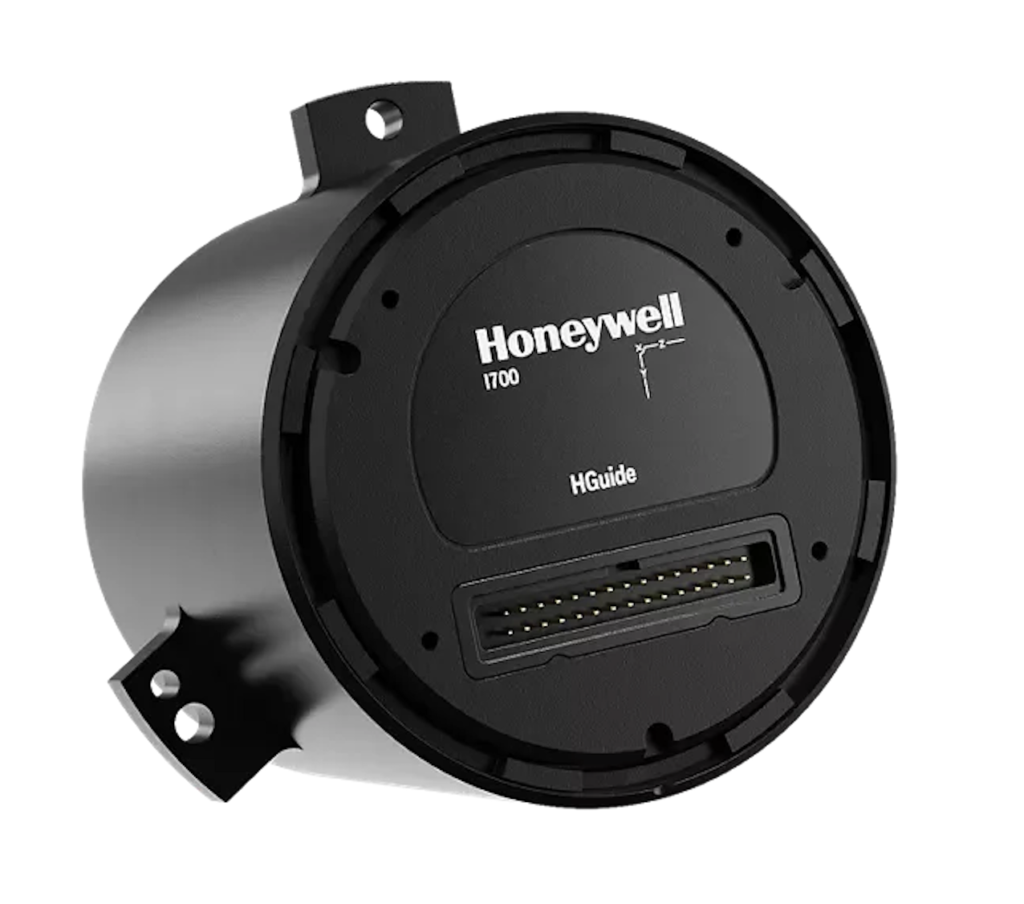
Elsewhere, advances in sensing and navigation attracted strong interest with the launch of the HGuide i700 Inertial Measurement Unit (IMU) by Honeywell Aerospace. Delivering near-navigation-grade accuracy in a license-free package, the system is designed for reliable operation in GNSS-denied environments, the system is designed for reliable operation in Global Navigation Satellite System (GNSS)-denied environments and supports integration across unmanned air, land, and sea platforms, helping streamline development and accelerate deployment.
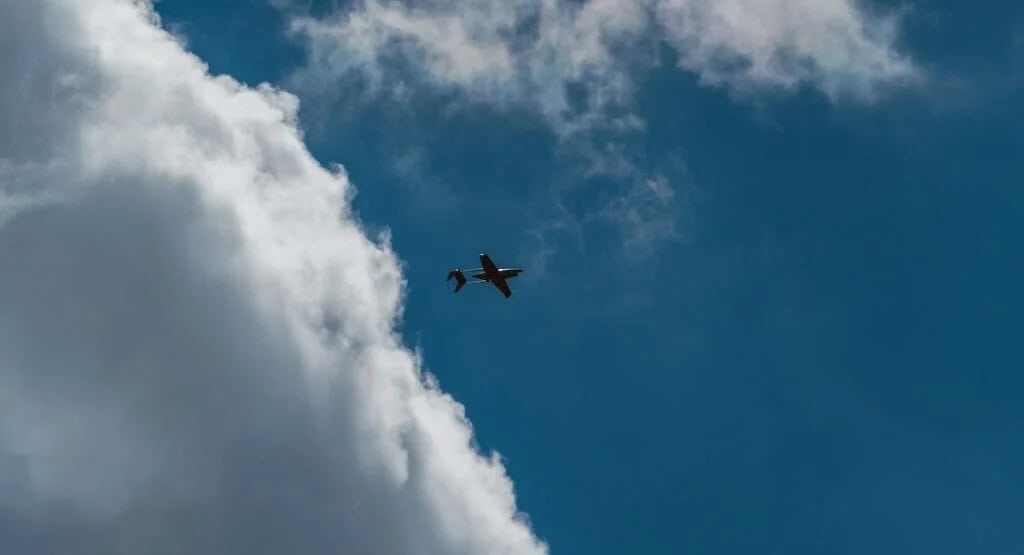
Expanding aerial mission capabilities were also evident as Skyeton integrated gamma radiation detection sensors into its Raybird Unmanned Aerial System (UAS). The platform combines long-endurance performance with real-time radiation monitoring, validated through testing in the Chornobyl exclusion zone, and now deployed with Ukraine’s State Emergency Service to support continuous environmental monitoring and emergency response.
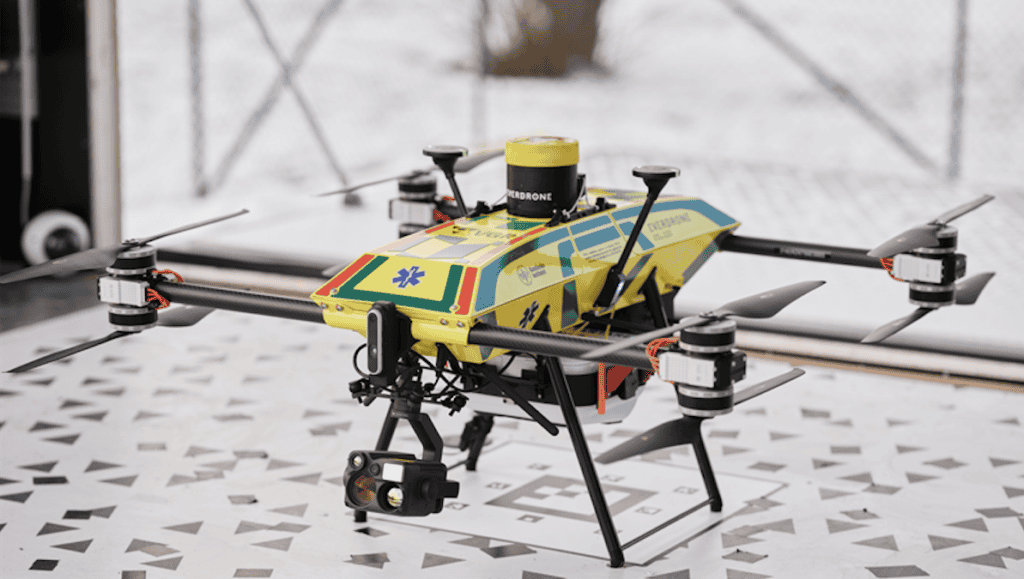
In parallel, emergency response innovation continued with Everdrone’s launch of the E3, a next-generation medical transport drone developed entirely in-house. With increased payload capacity and speeds exceeding 80 km/h, the platform enables rapid delivery of critical supplies such as defibrillators, adrenaline, and tourniquets, and is designed to reach emergency scenes significantly faster than traditional services.
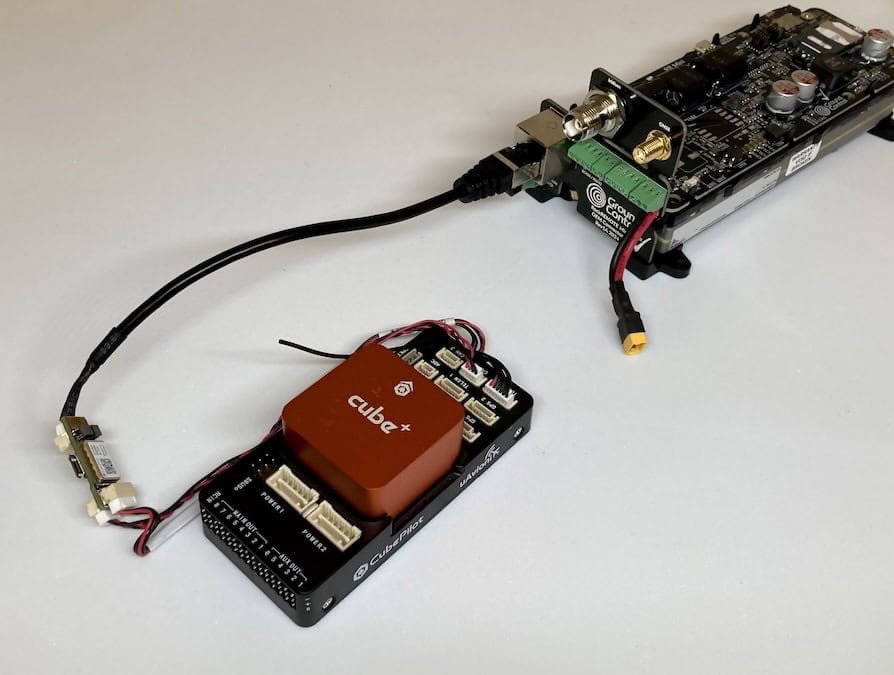
Rounding off March’s top articles, Ground Control and the ArduPilot Development Team demonstrated MAVLink telemetry over the Iridium Certus 100 satellite service, supporting reliable communication for unmanned systems operating beyond terrestrial networks. Using the RockREMOTE UAV OEM modem, testing confirmed stable telemetry with sub-2-second latency, supporting Beyond Visual Line of Sight (BVLOS) command and control and providing practical guidance for configuration, bandwidth management, and secure connectivity in remote environments.
Together, March’s most-read articles point to a sector advancing across subsea, aerial, and connected systems, where developments in sensing, communication, and platform design are shaping real-world capabilities. They reflect a growing emphasis on precision, scalability, and operational readiness as uncrewed technologies expand their role across maritime, defense, and emergency response applications.