Drone Testing Equipment
Discover cutting-edge solutions from 9 leading global suppliers
VTT Technical Research Centre is operating an expansive Drone Test Centre in Northern Finland designed to push the limits of unmanned aerial systems through varied terrain and extreme Arctic climates.
Located within the vicinity of the city of Oulu, the facility provides access to a designated Nordic test airspace exceeding 3,500 square kilometres, an area over twice the size of Greater London. This environment allows for the testing of drones designed for land, air, and underwater operations across forests, fields, swamps, and bodies of water. The site recently added a 150-kilometre long test corridor, enabling drones to fly beyond visual line of sight over long distances to assess performance in real-world conditions outside of urban areas.
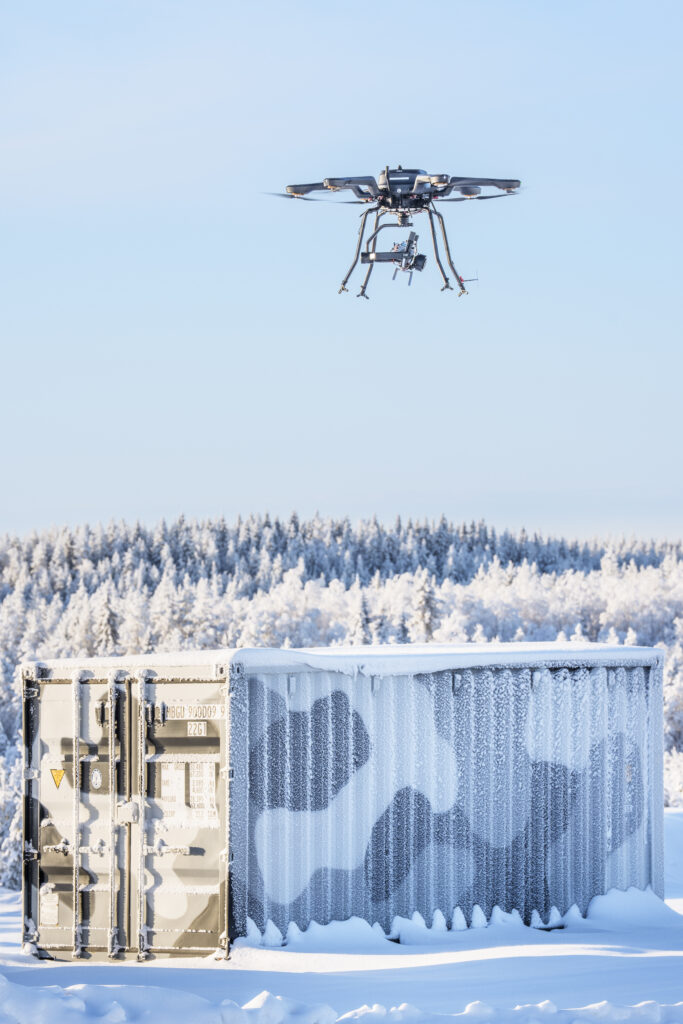
“Drone services are on the rise as unmanned aircraft are ideal for improving the efficiency of, for example, logistics, surveying, and monitoring operations. The industry is developing quickly, intensifying the need for diverse test sites where drone functionality, sensors, safety, and airspace management solutions can be tested in real-world conditions. Test sites are crucial for the development and deployment of this new technology, ensuring its reliability and enabling new drone businesses. We support the product development of our customers with versatile technology expertise from sensors to power sources and material choices,” says Timo Lind, Principal Scientist and Chief Drone Pilot at VTT.
The facility operates year-round, utilizing the four seasons to expose hardware to conditions that are difficult to replicate in laboratory settings. According to Lind, the need for such sites is growing sharply in Europe, but few countries can offer sufficiently large and versatile areas due to congested airspace and dense populations. “Winter in particular offers conditions that cannot be fully simulated in a lab. The cold, humidity, and ice that accumulate on the surfaces of devices reveal the weaknesses in systems, such as the performance of batteries and electronics,” says Lind.
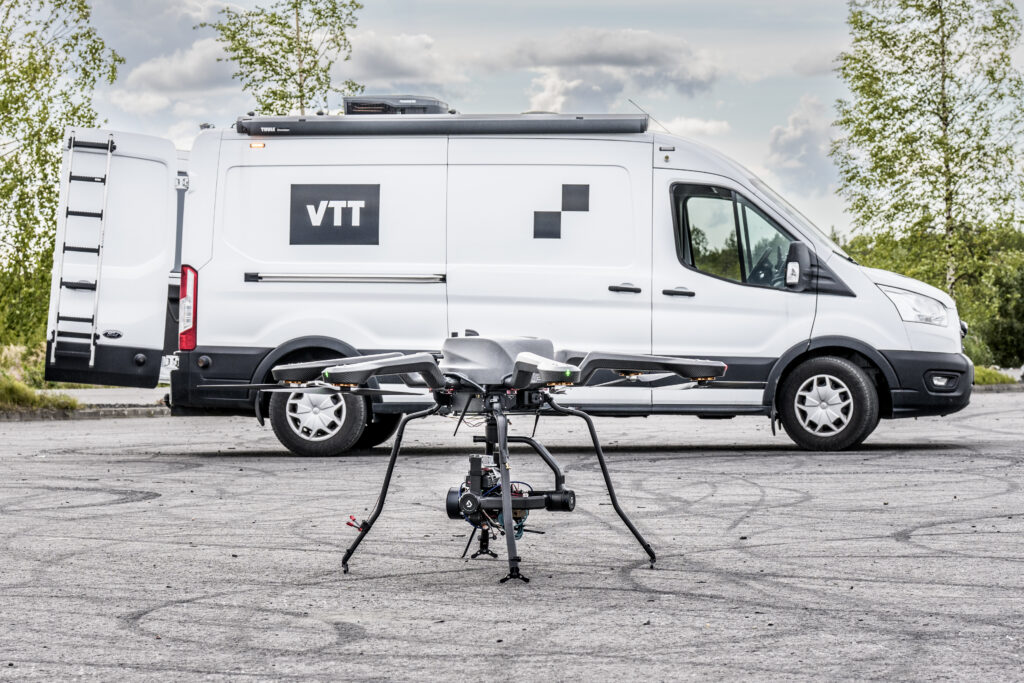
Technical capabilities at the site support a maximum take-off weight of 150 kg and, as of April 2026, flight altitudes up to 9,000 feet. The infrastructure includes a primary radar for drone localization and 5G connectivity provided by local operators Elisa, Telia, and DNA. These features facilitate the development of multi-platform autonomous systems, which coordinate drones with land- and water-based devices to enhance situational awareness and logistics in both civilian and defence sectors.
The site also serves as a critical location for validating drone swarm technologies, allowing dozens of aircraft to be flown simultaneously. Jussi Kangasoja, UAS Specialist and Senior Scientist at VTT, explains that the facility is aiming for even more comprehensive and critical testing capabilities. “In the future, technologies will be tested in the area in even more demanding conditions to ensure the functionality of devices and systems in critical conditions. Test operations are also expanding to heavier aircraft, long-range drones, and high-altitude systems,” says Kangasoja.