Discover World-Leading Unmanned and Autonomous Technologies
Discover cutting-edge solutions from leading global suppliers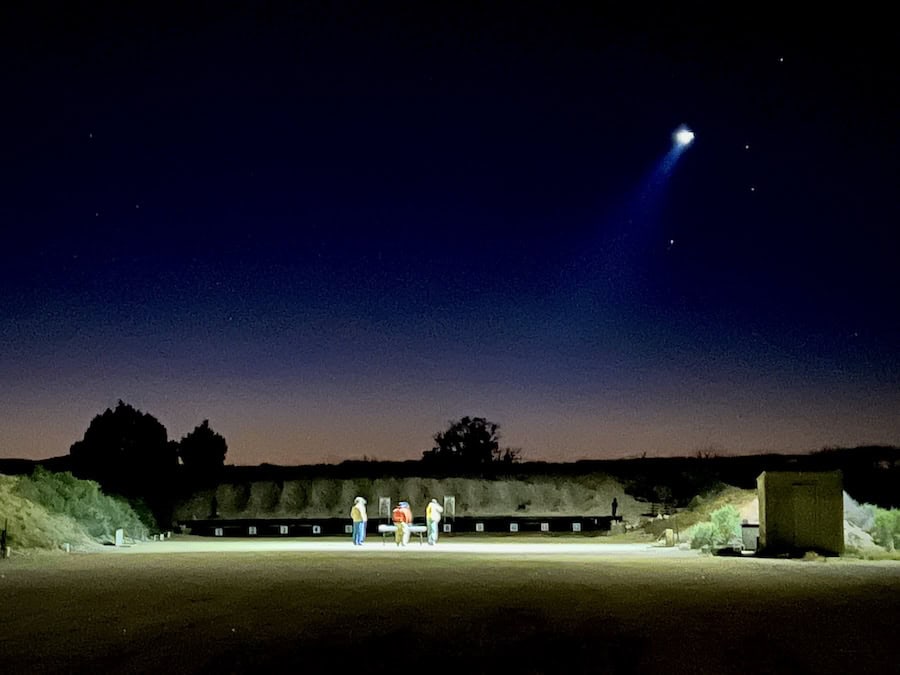
Embry-Riddle Aeronautical University is helping to prepare the next generation of drone professionals through its comprehensive Uncrewed Aircraft Systems (UAS) certificate programs.
The rapid expansion of the UAS industry has transformed the way governments, businesses and communities approach aviation. From emergency response and infrastructure inspection to agriculture and mapping, drones have moved far beyond hobbyist applications. As the demand for highly trained remote pilots continues to grow, so does the need for professional education grounded in aviation safety, operational expertise and regulatory knowledge.
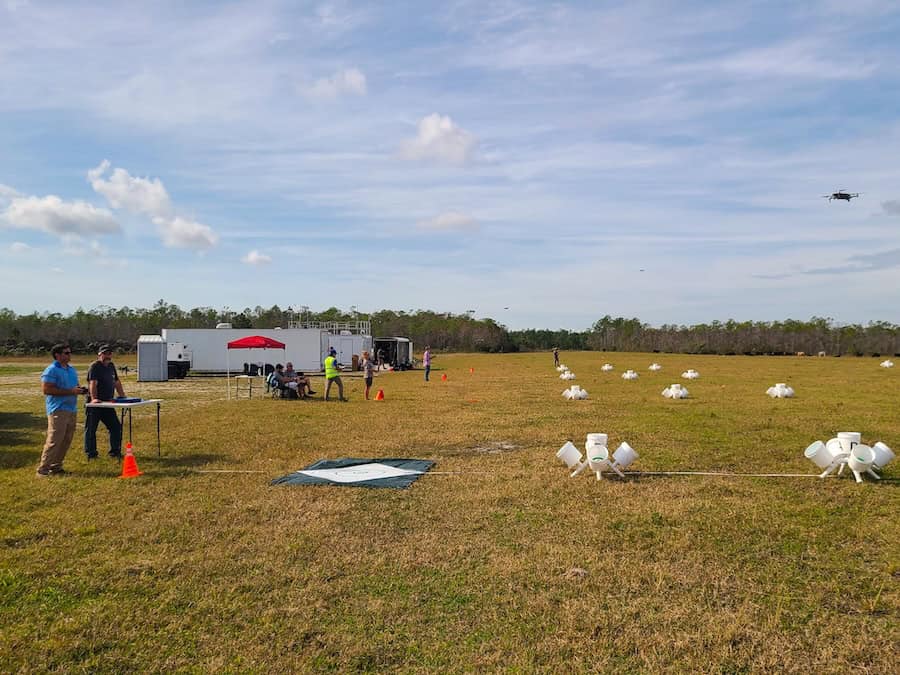
Embry-Riddle, long recognized as one of the world’s leading aerospace universities, has designed UAS Professional Education programs to support this growing demand and prepare remote pilots for real-world operations. These certificate tracks, including the sUAS for Public Safety Certificate, the Professional UAS Multirotor Certificate and the Trusted UAS Operator Certification in partnership with AUVSI, reflect the industry’s shift toward professional standards and specialized mission capabilities.
Building a Foundation in UAS Operations
At the heart of the program is sUAS Ground School (SUAS 2000), which provides students with the knowledge necessary to confidently prepare for the FAA’s Unmanned Aircraft General Knowledge Test. More than simply exam preparation, the course builds a strong professional aviation foundation that emphasizes safety within the National Airspace System. In an industry where operational responsibility carries significant legal and safety implications, this background is essential for any aspiring professional drone pilot.
Once foundational knowledge is established, students can progress to Basic Multirotor Flight Training (SUAS 2100). This course bridges the gap between theory and hands-on experience. Using simulation tools and their own multirotor aircraft, participants master flight maneuvers while learning professional aviation standards, aerial photography techniques and introductory photogrammetry. The emphasis on safe operating procedures mirrors the expectations placed on traditional pilots, reinforcing that drone aviation is a professional discipline rather than a recreational activity.

Advancing Skills for Commercial Applications
For pilots ready to advance their capabilities, Advanced Multirotor Flight Training (SUAS 2200) expands operational skills into real-world commercial applications. Students explore specialized mission profiles, including thermography, automated flight, commercial inspections, agricultural analysis, night operations and advanced photogrammetry. These capabilities are widely used across industries adopting drone technology to improve efficiency and data collection. By training with their own aircraft, participants gain practical experience that translates directly to professional work environments.
Embry-Riddle also recognizes that multirotor drones are only one part of the rapidly evolving UAS ecosystem. The Fixed Wing sUAS Flight Training (SUAS 2300) course introduces students to fixed-wing operations, which are particularly valuable for long-range mapping, surveying and environmental monitoring missions. Through simulator training or actual fixed-wing aircraft, students learn aerodynamics, weight and balance considerations, Ground Control Station operations and emergency procedures, skills critical for managing longer-duration missions.
Preparing for the Future of Air Mobility
Beyond individual flight training, Embry-Riddle is looking toward the future of aviation through its Advanced Air Mobility: Navigating the New Low-Altitude Economy Professional Education certificate program. As urban air mobility, cargo drones and autonomous aviation systems move closer to widespread deployment, professionals who understand the regulatory, technological and economic implications of this emerging ecosystem will be in high demand. These programs are intended to prepare today’s drone operators for tomorrow’s aviation landscape.
What distinguishes Embry-Riddle’s UAS education is its integration of aviation professionalism, industry alignment and practical, hands-on training. The university’s connection with organizations such as the Association for Uncrewed Vehicle Systems International (AUVSI) provides students with credentials valued by employers and agencies worldwide.
As drones become an increasingly vital component of modern aviation, the need for qualified professional operators will only intensify. Programs like these are not simply teaching individuals how to fly drones. They support the development of a new generation of aviation professionals equipped to operate safely, responsibly and effectively in the evolving airspace.
For more information on Embry-Riddle’s UAS Professional Education programs, including enrollment details, visit: https://proed.erau.edu/ or contact the Office of Professional Education at 386-481-9070 or [email protected].