Discover World-Leading Unmanned and Autonomous Technologies
Discover cutting-edge solutions from leading global suppliers
Explore UST’s round-up of this week’s five most read articles, featuring new technologies, events, and industry successes.
1. Honeywell Signs Defense MoU to Explore UAV Development & Commercialization
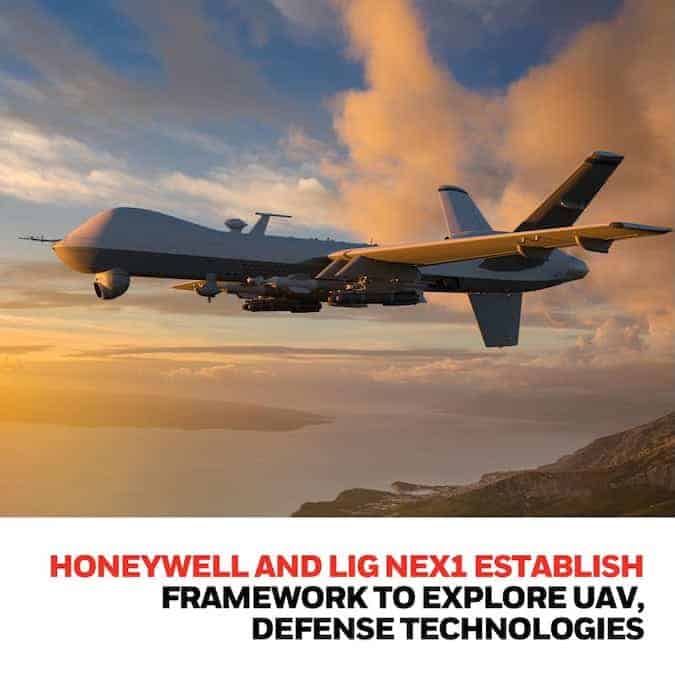
Honeywell Aerospace has signed a Memorandum of Understanding (MOU) with LIG Nex1 to explore future collaboration in the Unmanned Aerial Vehicle (UAV) defense sector. The cooperation covers opportunities for future development and commercialization of technologies for Unmanned Combat Aerial Vehicles (UCAVs), Collaborative Combat Aircraft (CCAs), and selected space, electromagnetic defense and cybersecurity applications.
The MOU details a non-exclusive framework for potential cooperation, combining Honeywell’s advances in unmanned technologies, such as resilient navigation, drone management systems and advanced communications, with LIG Nex1’s expertise in advanced precision electronic systems and its experience across unmanned air, surface and marine platforms.
2. NTI Electronics Unveils Dual-Screen GCS for Mission-Critical Unmanned Operations
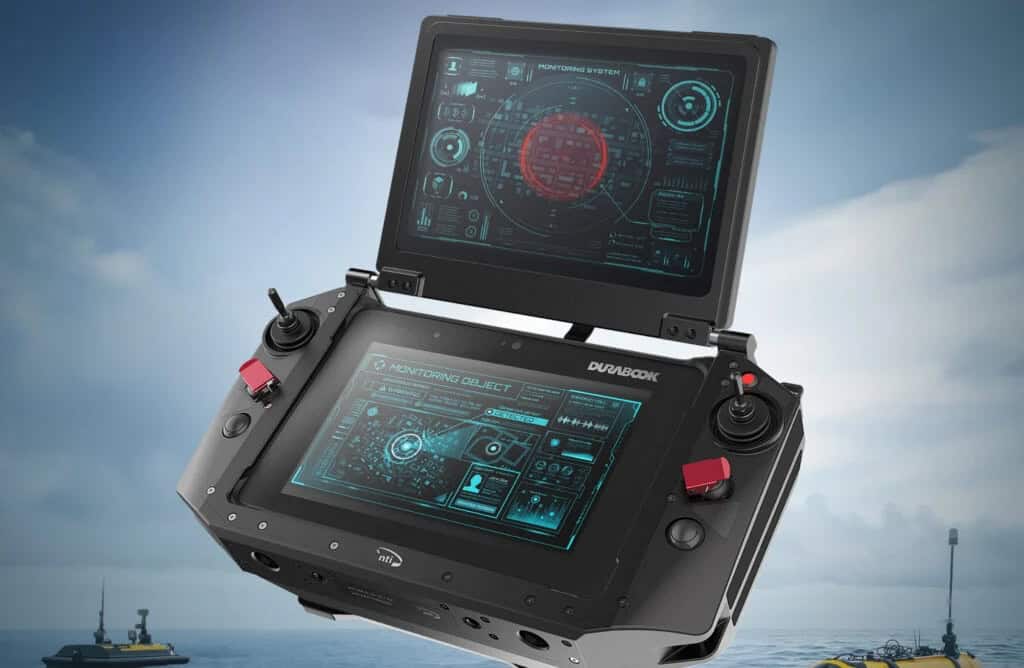
NTI Electronics, a leader in ruggedized computing solutions, has launched the Dragonfly NR-8 DUAL, a high-precision, dual-screen Ground Control Station (GCS) designed to meet the demands of mission-critical Unmanned Aerial System (UAS) operations.
Engineered for operators who require reliable control, rapid-access functionality, and superior situational awareness, the NR-8 DUAL delivers performance and durability in the most challenging environments. Built to meet MIL-STD-810/461 and IP-66 standards, the Dragonfly NR-8 DUAL is ruggedized for tactical, industrial, and inspection missions, providing dependable operation under extreme conditions.
3. Lockheed Martin Unveils Lamprey MMAUV For Covert Undersea Operations & Sea Denial
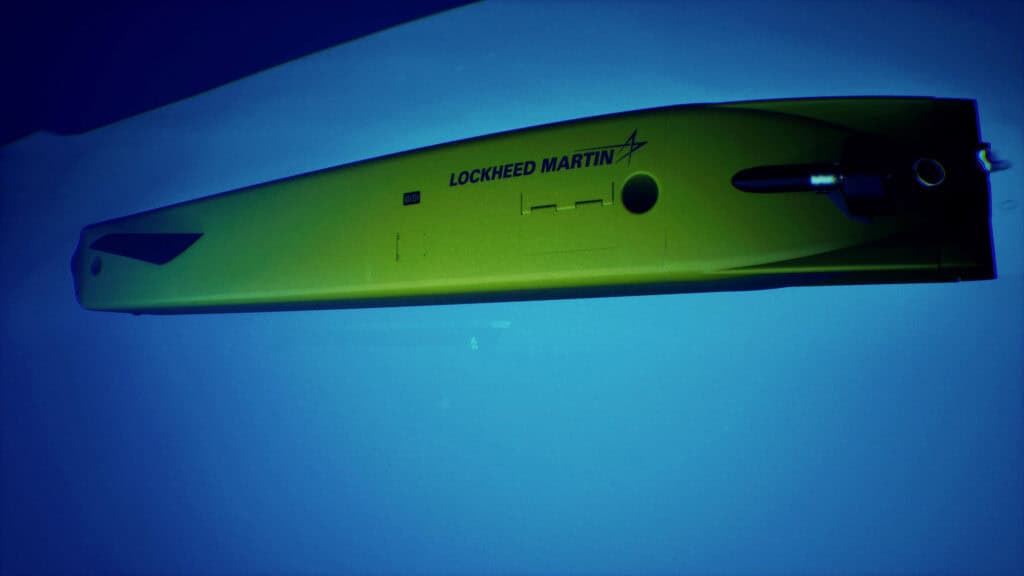
Lockheed Martin has introduced the Lamprey Multi-Mission Autonomous Undersea Vehicle (MMAUV), a modular submersible designed to provide a strategic advantage in contested maritime environments.
The AUV is engineered to meet the U.S. Navy’s requirements for covert access and sea denial. By mimicking natural hitchhiking behaviors, the Lamprey MMAUV can attach itself to a host surface ship or submarine without requiring modifications to the host vessel. While attached, it utilizes built-in hydrogenators to charge its batteries, ensuring it arrives in the mission theater with a full charge and ready for immediate deployment.
4. A Critical Event for Defence Robotics: Military Robotics & Autonomous Systems (MRAS) 2026
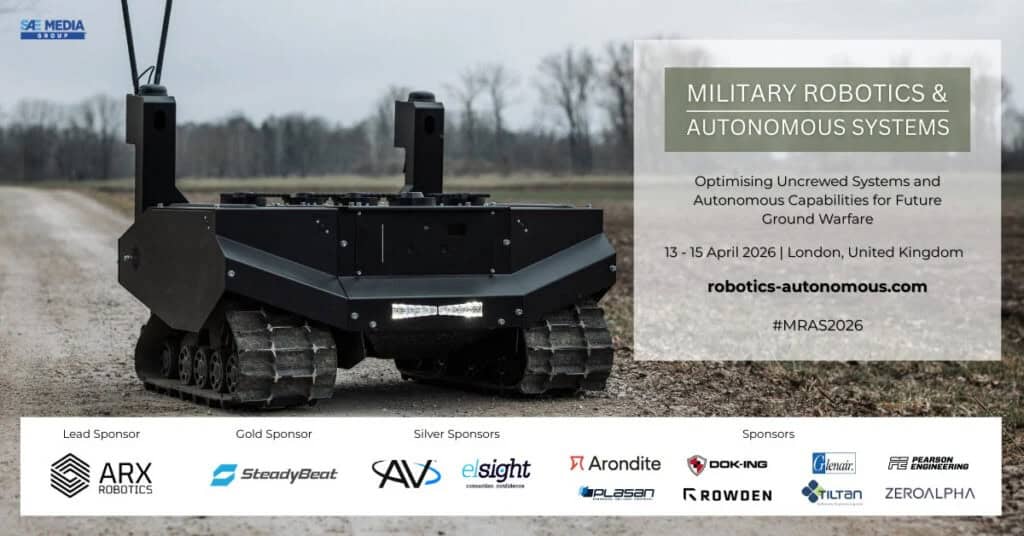
Looking ahead to the 9th annual Military Robotic & Autonomous Systems (MRAS) conference, taking place in London on 13-15 April 2026, the event continues to serve as a key meeting point for advancing unmanned and autonomous capabilities across NATO and allied forces.
With defence organisations accelerating their integration of robotic technologies, MRAS remains the foremost forum for collaboration, innovation, and strategic insight in this rapidly evolving domain.
5. A Critical Event for Defence Robotics: Military Robotics & Autonomous Systems (MRAS) 2026
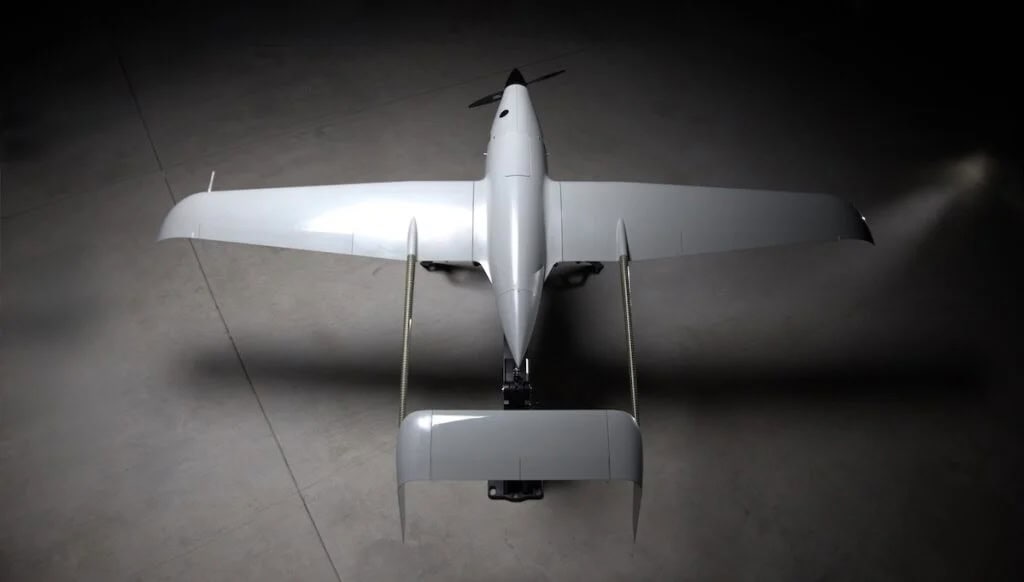
Skyeton has successfully integrated Satellite Communications (SATCOM) into its Raybird small tactical Unmanned Aviation System (UAS), significantly extending operational range while maintaining continuous real-time data transmission during extended missions.
The SATCOM integration builds on Raybird’s 28+ hour endurance capability by eliminating previous data link range constraints. With satellite connectivity enabled, operators can sustain a stable, real-time data link across the full mission profile, including deep reconnaissance operations conducted well beyond the reach of conventional ground-based communications coverage.