Unmanned Helicopters
Discover cutting-edge solutions from 5 leading global suppliers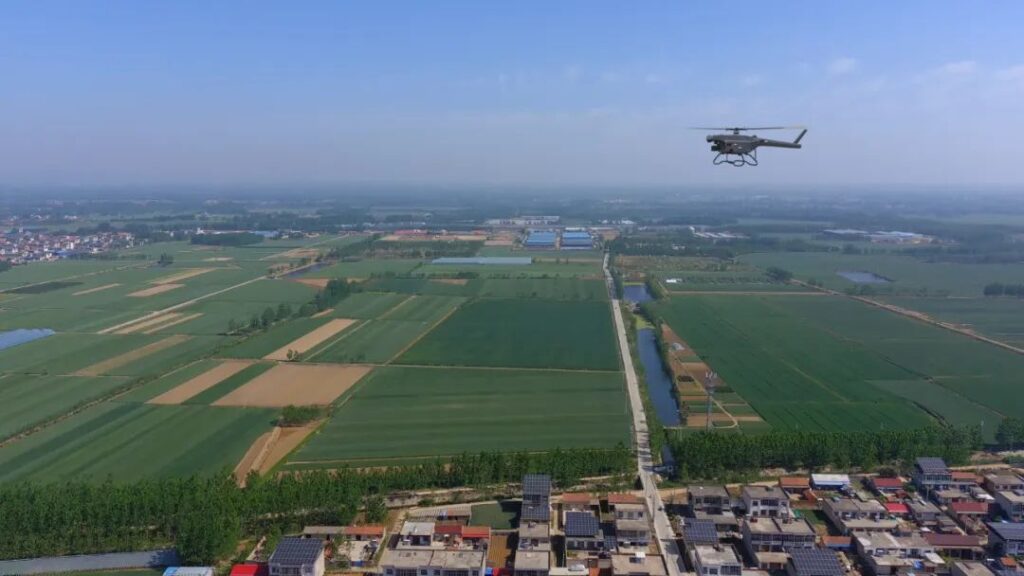
ZIYAN has introduced an AI-driven poppy surveillance solution aimed at addressing the persistent challenges of detecting concealed and scattered illegal poppy cultivation.
The core of the new system is the ZIYAN F15 unmanned helicopter, which is equipped with a high-definition gimbal camera and works in conjunction with a proprietary AI recognition platform. This integration forms a closed-loop operational process: aerial reconnaissance, followed by AI data analysis, precise geo-tagging, and culminating in rapid enforcement.
ZIYAN’s unmanned helicopter is designed for unmatched coverage capability, offering a single-flight endurance of 100 minutes and an operational radius of 30km. This allows the platform to conduct wide-area patrols with high efficiency. Its onboard gimbal camera captures ultra-clear imagery, achieving a ground sampling distance of 2.5cm from 100 metres altitude, which is sufficient to detect small, dispersed plants in varied environments, from large farmland to hidden rooftop cultivation.

Captured imagery is processed by ZIYAN’s AI Poppy Recognition System, which has been trained on extensive datasets covering poppy growth across multiple stages and environments. The system’s reported detection accuracy is approximately 90% for the seedling stage and greater than 95% for the flowering and fruiting stages. The system automatically highlights suspected cultivation sites on digital maps, providing law enforcement teams with target coordinates for direct navigation, verification, and eradication. This feature is intended to reduce reliance on manual expertise while improving overall accuracy and consistency.
Field applications of the technology have demonstrated significant efficiency gains. A case study showed that the combined UAV and AI solution accomplished the inspection of a village of 300 households in just 5–8 minutes. This task previously required 20 officers and two hours, representing a 10–15x improvement in productivity.
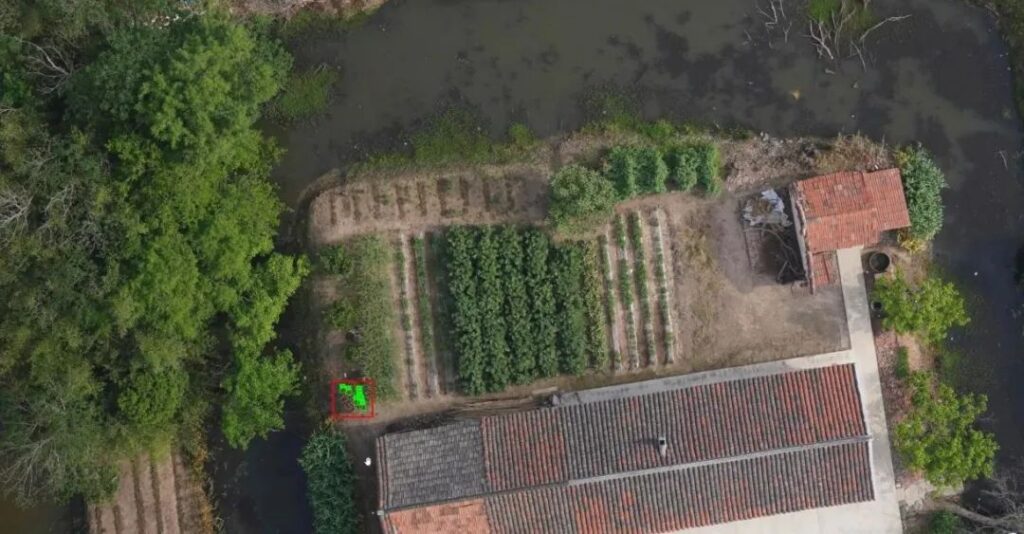
Beyond narcotics enforcement, the AI-enabled UAV solution is noted to have utility in other sectors. These applications include detecting unauthorized crop cultivation in agriculture and forestry, strengthening cross-border monitoring, inspecting rooftops and balconies in urban grid management, and conducting scheduled patrols for targeted re-inspection of high-incidence areas.
By minimizing operational risk in hazardous environments like rugged mountains and dense forests and reducing manpower requirements, the solution aims to enhance both safety and cost-effectiveness. ZIYAN states that this innovation marks a transition from manual to intelligent, precision-based counter-narcotics operations.