Discover World-Leading Unmanned and Autonomous Technologies
Discover cutting-edge solutions from leading global suppliers
On UST, August 2025 spotlighted aerial strike innovations, human-centred payload design, advanced sensing, and subsea security. Across the unmanned systems sector, breakthroughs focused on precision, resilience, and mission versatility. Read about our top 5 articles below.
The most read UST article in August was news of BAE Systems completing successful trials of UAS-launched munitions.
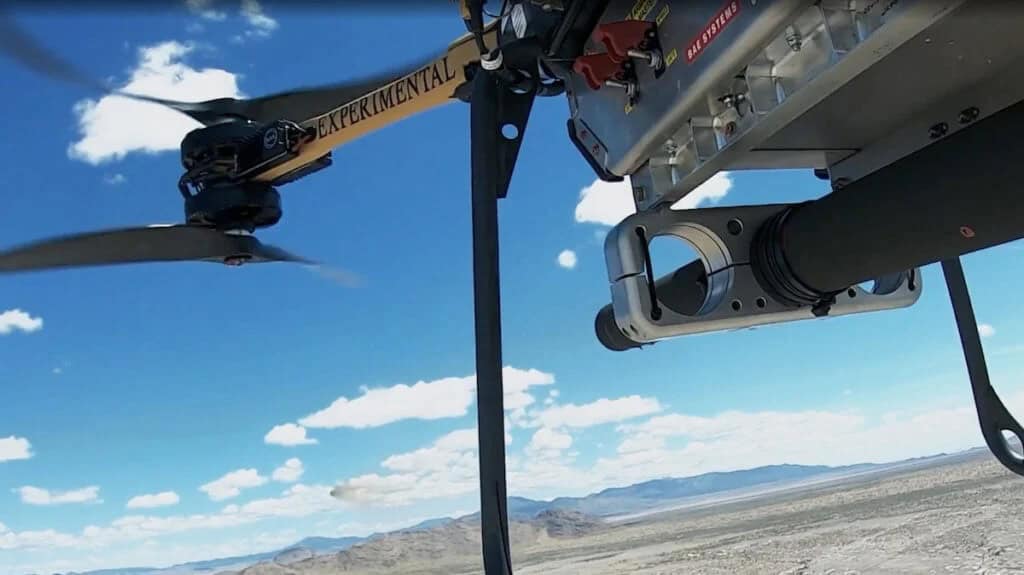
BAE Systems successfully launched a precision munition from a multi-rotor uncrewed air system (UAS), destroying both air and ground targets during trials in the US. This marks a major step forward in the development of a low-cost strike and counter UAS option for frontline troops.
The launch of munitions upgraded with BAE Systems’ APKWS® laser-guidance kit from a TRV-150, a modified version of the Malloy T-150, marks the first air-to-air engagement of an APKWS guidance kit from a UAS. This builds on its decades-long presence on combat aircraft, including the F-16, F-18, and Apache helicopter.
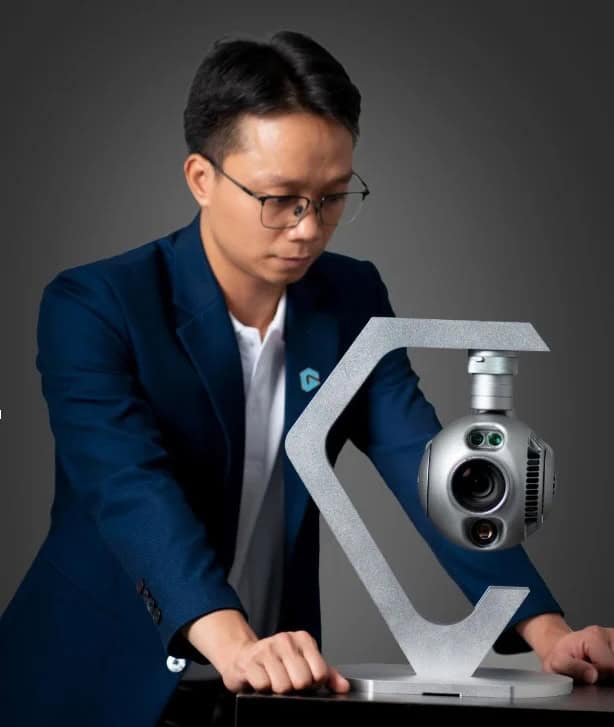
Gremsy has discussed the engineering philosophy behind ORUS L, its first spherical payload for drone operations. The system was developed in response to field conditions where existing equipment could not meet operational demands, leading the company to adopt a human-centred design approach. By prioritising practical application over lab-driven innovation, ORUS L reflects Gremsy’s commitment to solving real-world challenges faced by operators.
The payload’s spherical form reduces drag, improves durability, and protects integrated sensors, while its compact gimbal design supports AI processing, multi-sensor payloads, and high-speed data handling. With these features, ORUS L is positioned for industrial, inspection, and defense applications. Its launch marks an evolution in Gremsy’s product line, emphasising mission-centric design guided by user needs.
In tactical fires development, Performance Drone Works (PDW) demonstrated the C100 UAS as an organic strike enabler alongside the F-35A Lightning II. Outfitted with Leonardo’s STAG5 laser target designator, the C100 successfully guided four inert GBU-12 munitions to targets at ranges up to 2,000 m, marking them from a safe standoff distance.
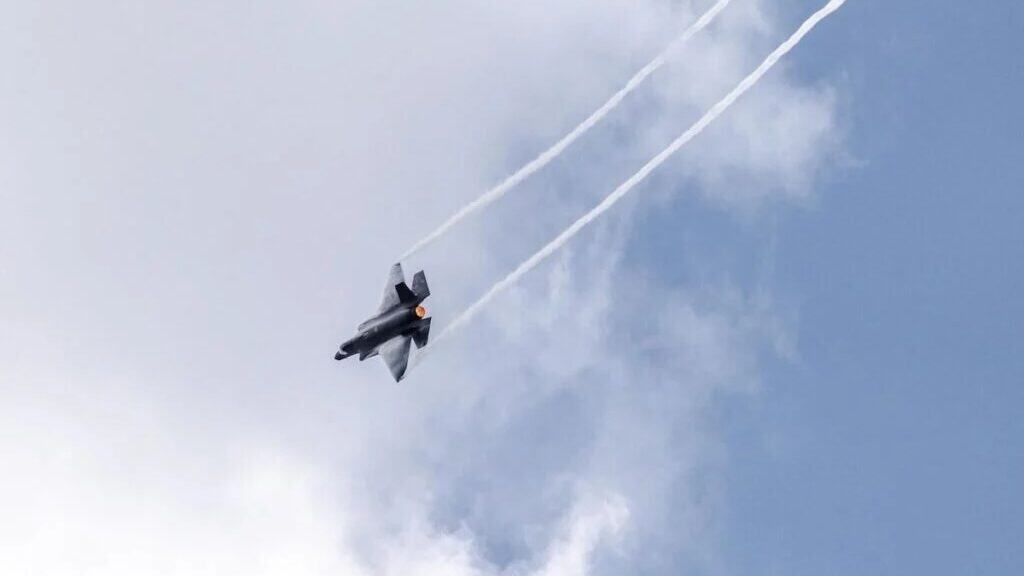
By loitering for over 30 minutes while providing accurate target designation, the C100 showcased its role as a modular fires platform supporting ISR, close air support, and maritime missions. The demonstration highlights how PDW’s system expands tactical flexibility, enabling precision engagement without exposing manned assets.

FT Technologies announced the launch of the first in the company’s new line of lightweight ultrasonic wind sensors. Made from a polycarbonate-based composite and weighing 170g, the FT602 has been designed with drone-friendly features for use on unmanned aerial vehicles (UAVs).
Powered by FT’s unique Acu-Res® Technology, the sensor uses ultrasound to derive air speed, direction, and temperature. It also features a built-in compass, inclinometer, and barometric pressure sensor.
Wrapping up August’s most read on UST Teledyne RESON, a Teledyne Marine company, is contributing to the U-SHIELD research and innovation project, which aims to develop a drone capable of capturing and immobilizing unwanted underwater vehicles.
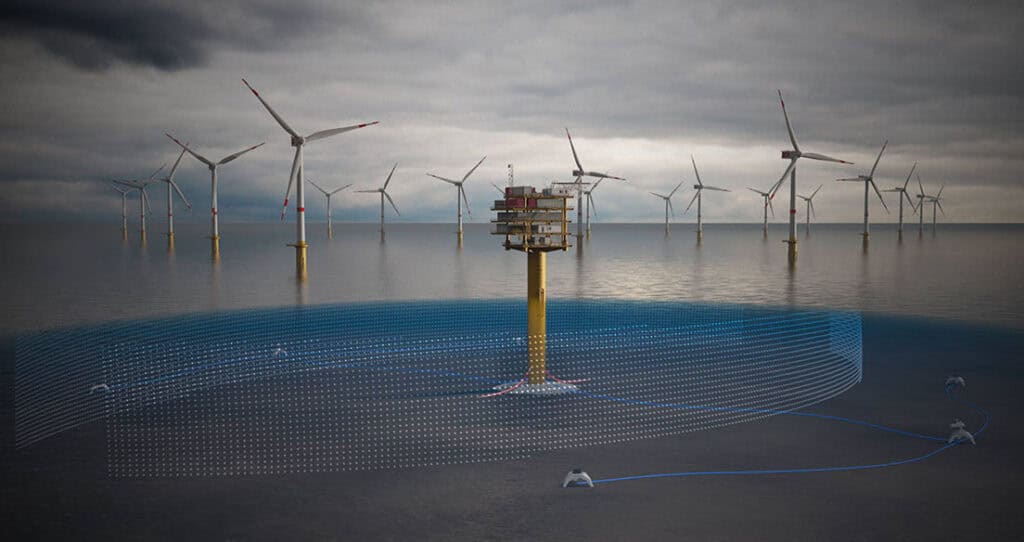
With Denmark and Europe facing increasing security threats to underwater infrastructure due to the green transition and the expansion of offshore energy facilities, the project aims to protect critical underwater infrastructure such as pipelines, communication cables, and offshore wind farms. The Innovation Fund is investing 26 million kroner in the project through its Grand Solutions program.
Keep up to date with the latest Unmanned Systems Technology news by subscribing to the UST eBrief >>