MANET
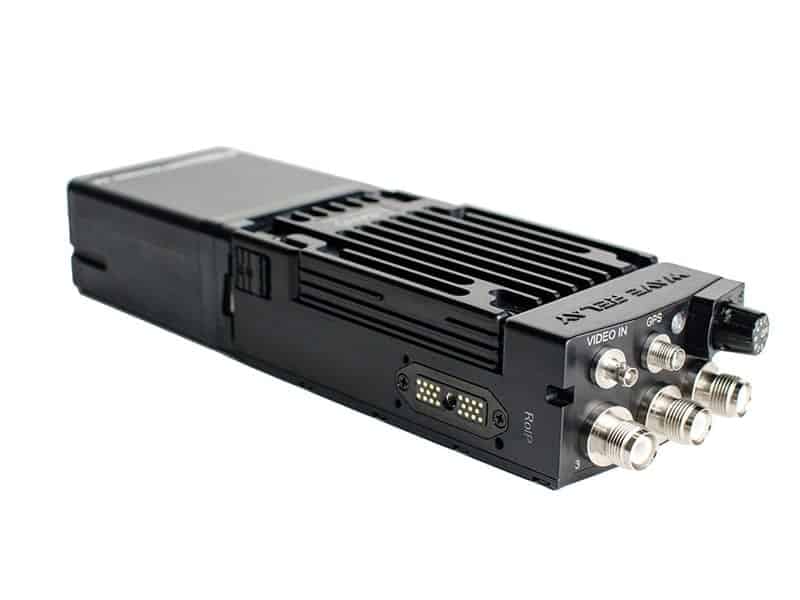
Discover cutting-edge solutions from 6 leading global suppliersDTC delivered its interoperable, high-bandwidth MANET waveform technology to the Soldier Borne Mission Command (SBMC) program, providing resilient connectivity from soldiers to brigade command posts with Anduril & Kägwerks.
The solution supports the U.S. Army’s digital modernization goals at the tactical edge. As the program of record provider for Nett Warrior, Kägwerks has long served as the integrative platform for soldier-borne communications systems.
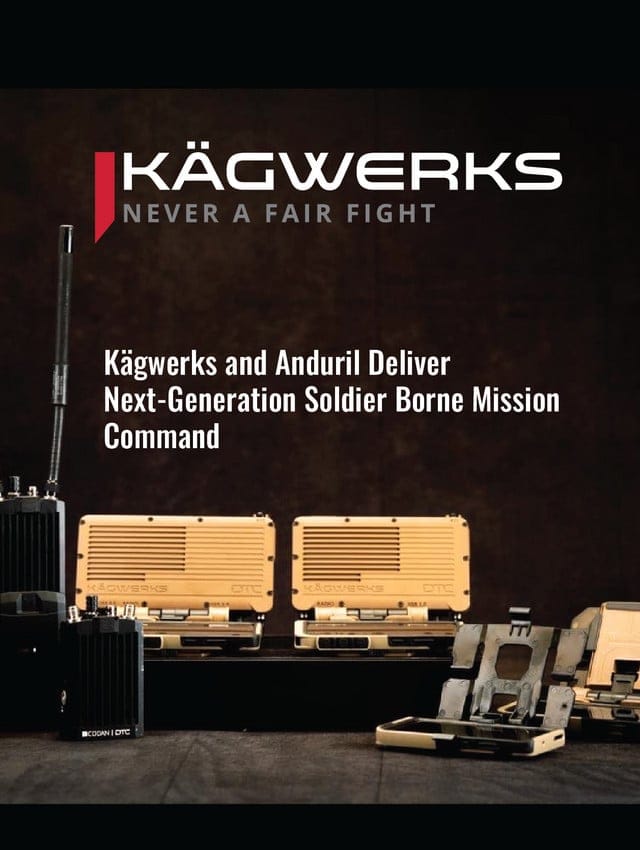
The new system leverages DOCK Ultra, which integrates native Mobile Ad-hoc Networking (MANET) radio networking and on-body edge compute capabilities. This combination provides the compute and communications foundation for SBMC-Architecture (SBMC-A), Anduril’s software-based, body-worn mission command system, enabling resilient mission command, AI-enabled applications, and interoperability across the Army’s Integrated Tactical Network.
Cale Teeter-Gregg, CSO of Kägwerks, said, “Kägwerks has been the Army’s trusted integrative platform for soldier communications since 2021. With DOCK Ultra, we’ve evolved those capabilities with MANET and edge compute — delivering the foundation that powers SBMC and prepares the Army for the threats of tomorrow, today.“
Demonstrations with the 10th Mountain Division, 82nd Airborne Division, 75th Ranger Regiment, and 25th Infantry Division have shown SBMC-A’s ability to integrate and bridge MANET radios, including DTC’s waveform technology, into a single, resilient tactical fabric. It can also leverage edge computing for AI-driven applications, such as Anduril’s Lattice and Reveal Technologies’ Farsight, to enable human-to-machine integrated formations, while extending and flattening the Integrated Tactical Network from the individual soldier to brigade command posts.
The system’s open and modular design ensures it can support rapid technology insertions and adapt to evolving Army modernization requirements.