Discover World-Leading Unmanned and Autonomous Technologies
Discover cutting-edge solutions from leading global suppliers
Explore UST’s round-up of our five most read articles in the industry this week, including new technologies, collaborations, white papers, and industry successes.
1. Advancing UAS Navigation with GNSS-Denied Kit from UAV Navigation
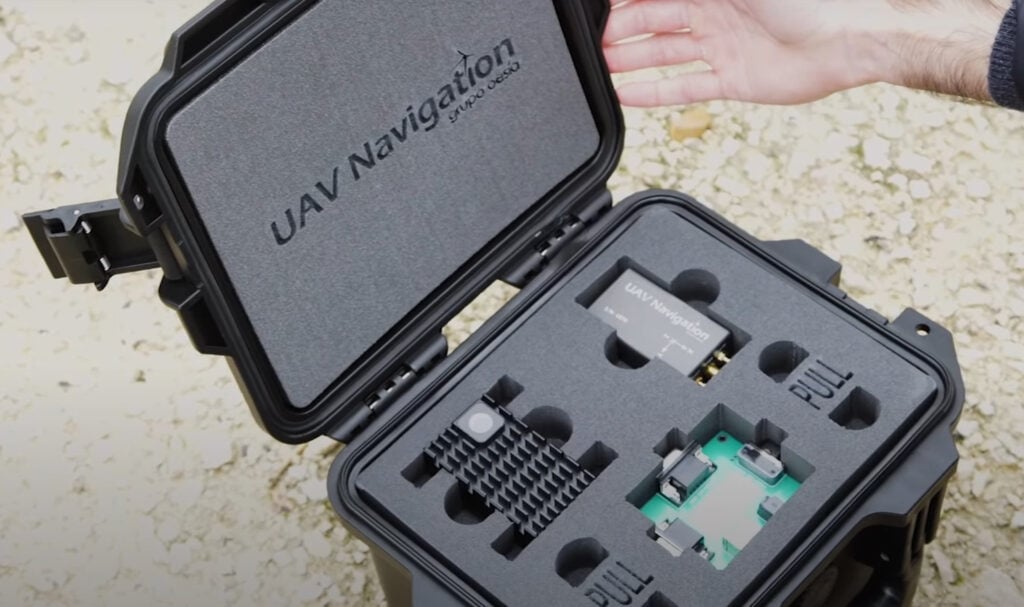
UAV Navigation-Grupo Oesía, a developer of guidance, navigation and control solutions for drones and unmanned vehicles, has introduced its advanced GNSS-Denied Navigation Kit. Designed to thrive in environments where traditional GNSS signals are compromised or unavailable, this solution ensures precise and reliable navigation even in the most challenging scenarios.
As the demand for secure and resilient UAS navigation grows, this new kit is seen as a leap forward, offering unmatched performance in GNSS-denied environments. The GNSS-Denied Navigation Kit integrates UAV Navigation-Grupo Oesía’s flagship technologies: the Attitude and Heading Reference System (AHRS) POLAR-300 and the Visual Navigation System (VNS01).
2. IMSAR Radar Integration Enhances Schiebel VTOL UAS Capabilities
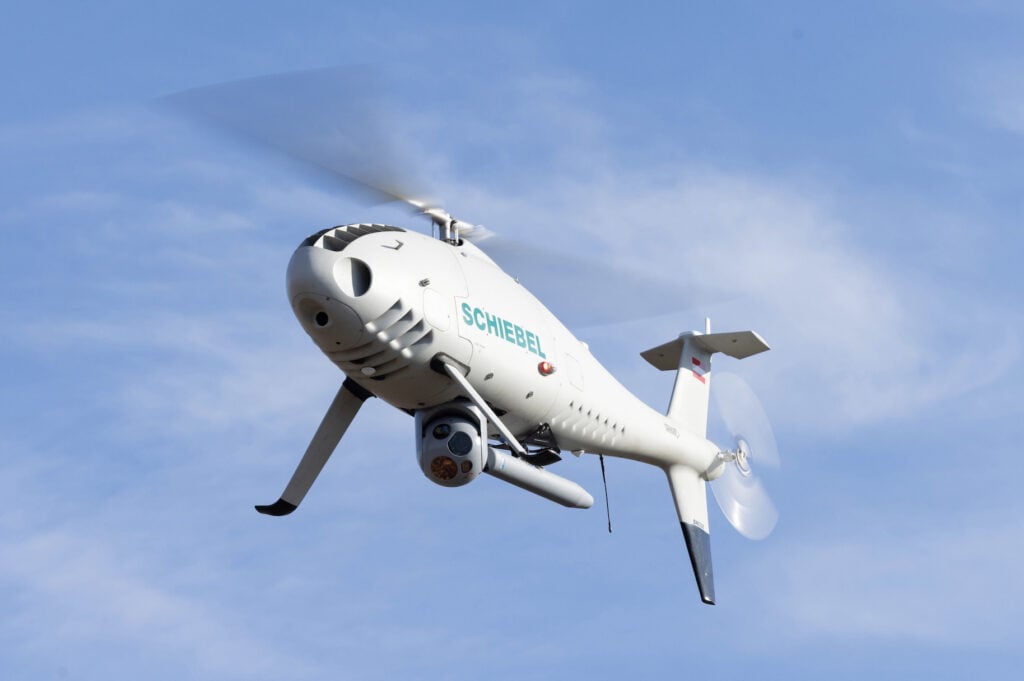
The integration of IMSAR’s NSP-3 radar with Schiebel’s CAMCOPTER® S-100 VTOL UAS represents a significant advancement in airborne surveillance, combining advanced radar technology with a proven drone platform. This latest milestone, achieved in January 2025 with the first flight of the NSP-3 on the CAMCOPTER S-100, follows the successful integration and flight trials of the larger NSP-5 radar in late 2024.
This collaboration further enhances the operational versatility of the S-100, providing users with a lightweight, high-performance radar solution optimized for intelligence, surveillance, and reconnaissance (ISR) missions. The S-100 is known for its ability to carry and operate multiple payloads simultaneously. Unlike the previous NSP-5 integration, which required nose or main-payload bay space, the lightweight NSP-3 system offers a unique advantage—it does not occupy these critical payload areas.
3. MostaTech Showcases Enhanced Fiber Optic Gyroscope at XPONENTIAL Europe
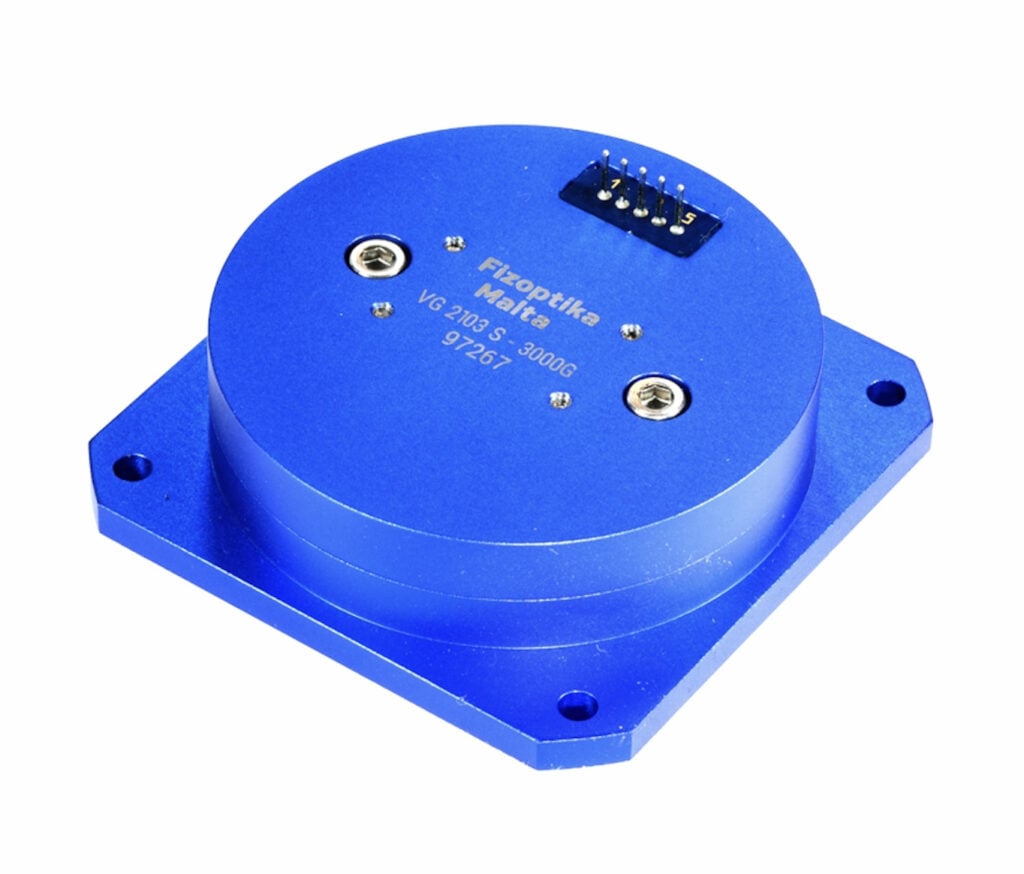
MostaTech unveiled advancements to its VG2103S-3000 Fiber Optic Gyroscope (FOG) at XPONENTIAL Europe 2025, reinforcing its durability to withstand shocks of up to 3000g. This latest upgrade enhances resilience, ensuring the gyro can perform in the harshest conditions.
Engineered for low-noise operation, the VG2103S-3000 delivers an angular random walk (ARW) of 0.03 °/√h and bias stability of 1 °/h. Alongside extreme shock resistance, it handles vibrations reaching 18g. The Fiber Optic Gyroscope is housed in a lightweight 85-gram aluminum alloy enclosure with four mounting flanges for secure installation.
4. New 4-in-1 Electronic Speed Controller Launched for Large-Scale UAS Operations
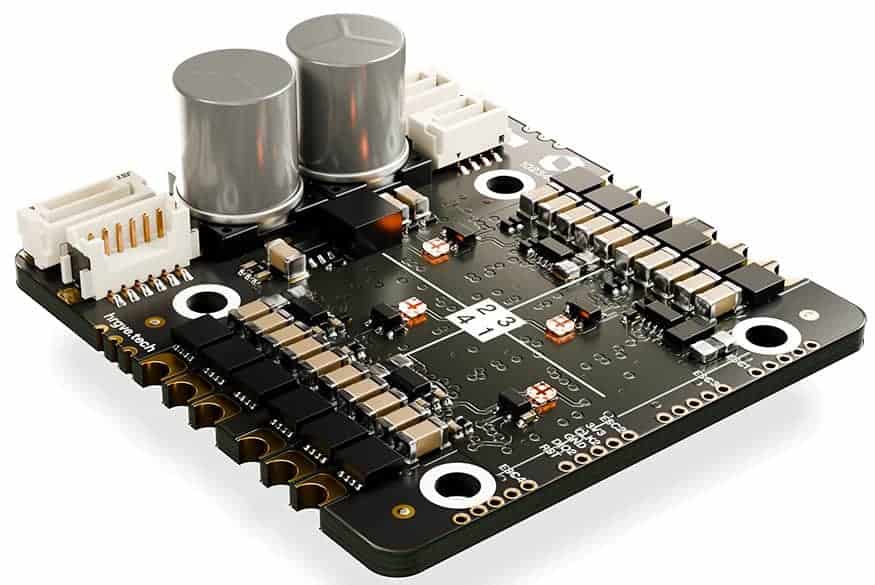
Hargrave Technologies is launching the nanoDRIVE 4LPi, the company’s most advanced 4-in-1 electronic speed controller (ESC) designed specifically for high-volume unmanned aerial systems (UAS) operations. The nanoDRIVE 4LPi is engineered to meet the demands of large-scale UAS deployments, offering reliability, performance, and value.
Each unit is NDAA-compliant, designed and manufactured in Australia, ensuring adherence to the highest standards of quality and security. With pre-soldered capacitors, standard 30×30 mounting holes, multiple connector options, and flight computer configurability, the nanoDRIVE 4LPi is ready for seamless integration into high-volume production environments.
5. Mission Trainer in Development for SkyGuardian RPAS
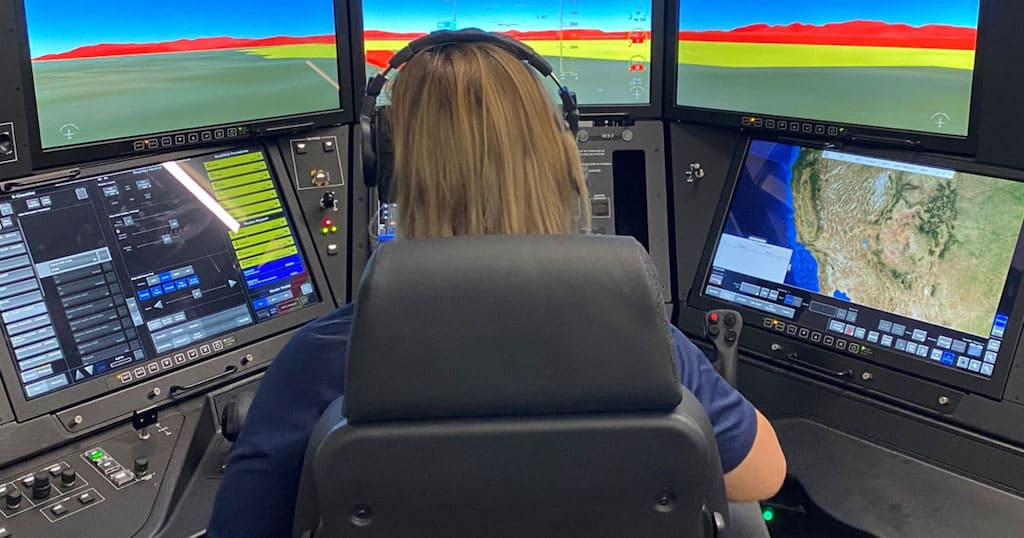
General Atomics Aeronautical Systems, Inc. (GA-ASI) and CAE have formed a long-term agreement for the development and production of the next-generation mission trainer for GA-ASI’s MQ-9B SkyGuardian® remotely piloted aircraft system (RPAS). The contract with GA-ASI includes a firm order for 11 mission trainers, with the opportunity to deliver up to 50 devices over the next five years.
The agreement brings together two industry leaders to enhance the training capabilities for operators of MQ-9B and builds on the long-standing business relationship between GA-ASI and CAE. Recognized globally as the reference in synthetic training for RPAS, CAE leverages the latest visualization technology in the development of the next-generation MQ-9B SkyGuardian Mission Trainers. The trainers will employ the CAE Prodigy Image Generator to provide a highly realistic training environment to replicate flight operations.