
General Atomics Aeronautical Systems, Inc

New LEO SATCOM Capability Tested on MQ-9A RPAS

General Atomics Aeronautical Systems successfully flight-tested a Low Earth Orbit (LEO) SATCOM capability on board an MQ-9A Reaper By Caroline Rees / 09 Feb 2023
Flight-Tests-LEO-SATCOM-MQ-9A
Follow UST

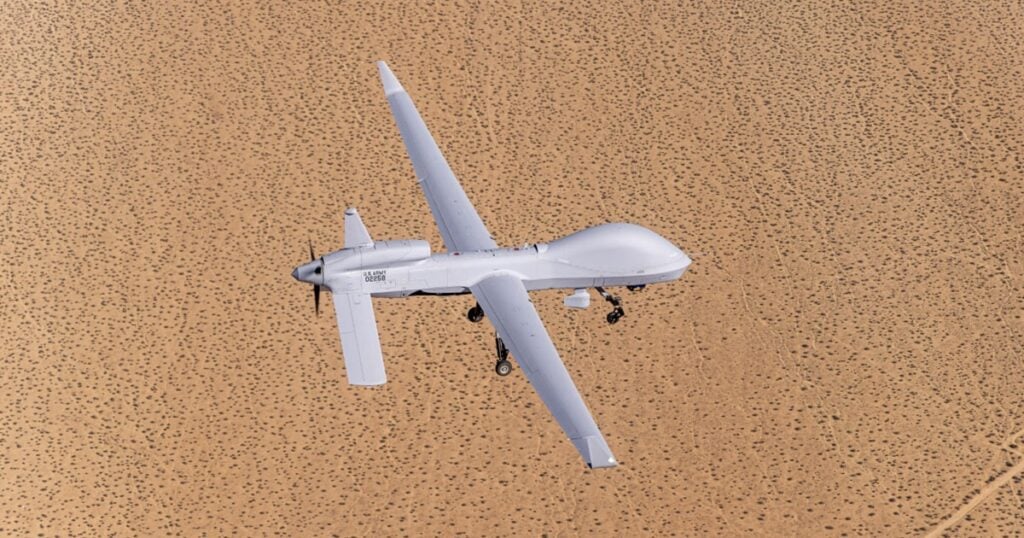
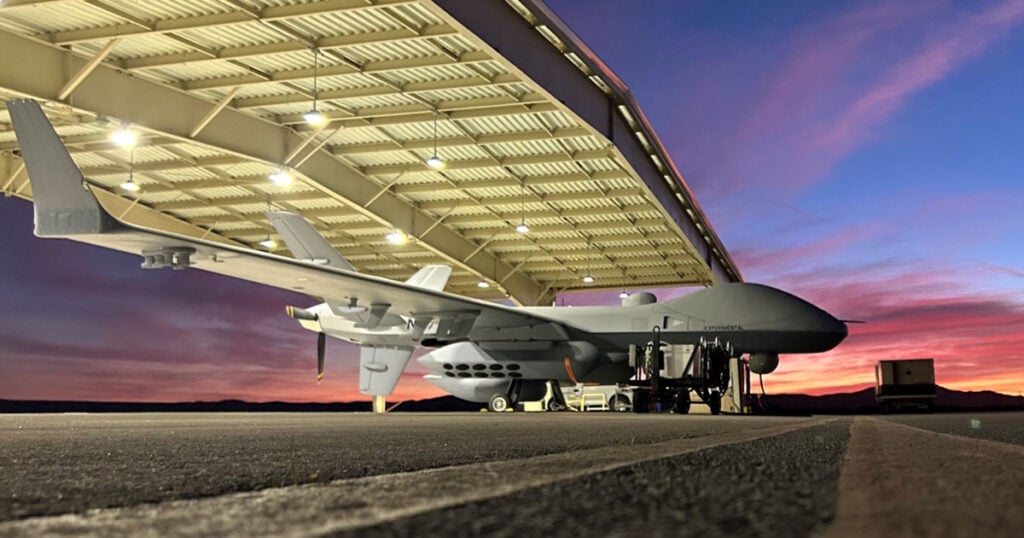
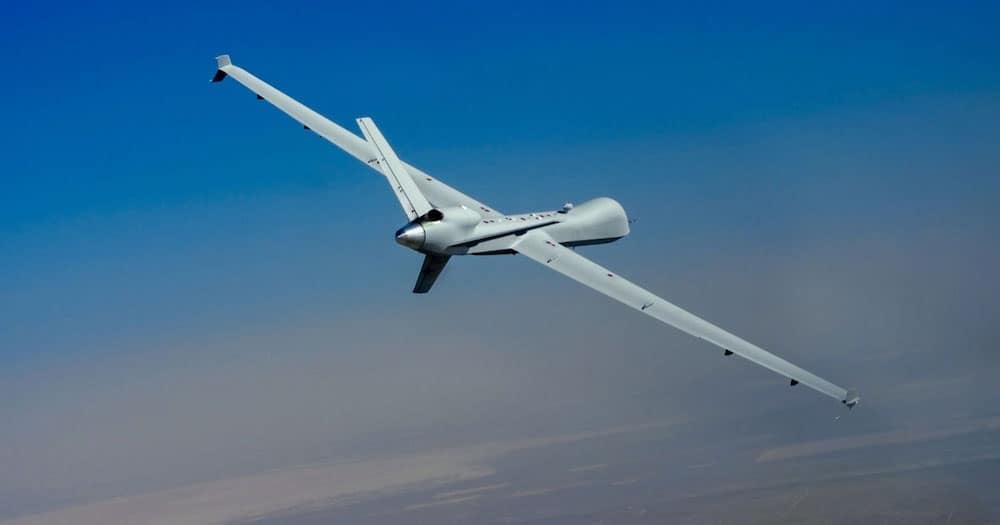
At the end of 2022, General Atomics Aeronautical Systems, Inc. (GA-ASI) and the Air National Guard, with support from the US Marine Corps and US Air Force, flight tested an MQ-9A Reaper Remotely Piloted Aerial System (RPAS) equipped with a Low Earth Orbit (LEO) SATCOM command and control system. 

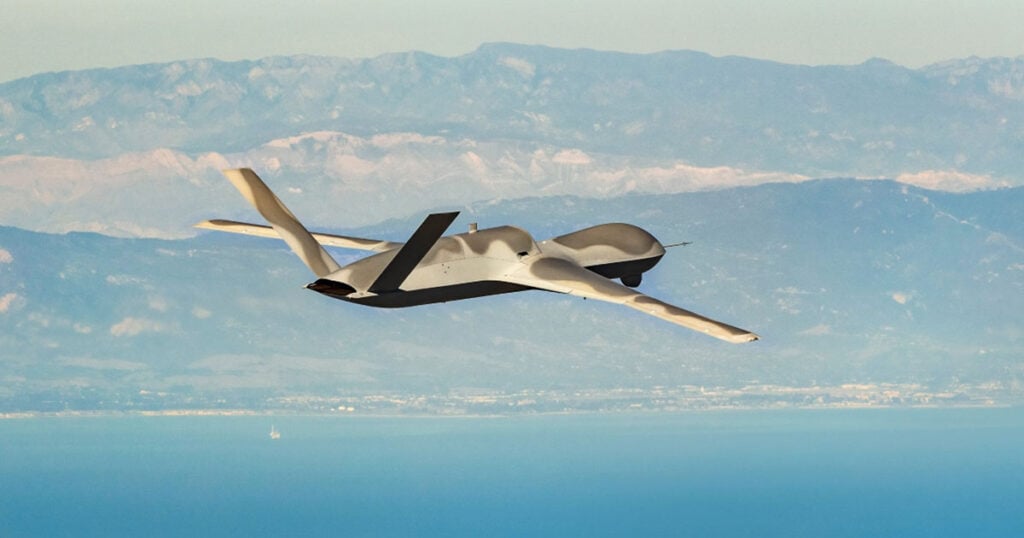
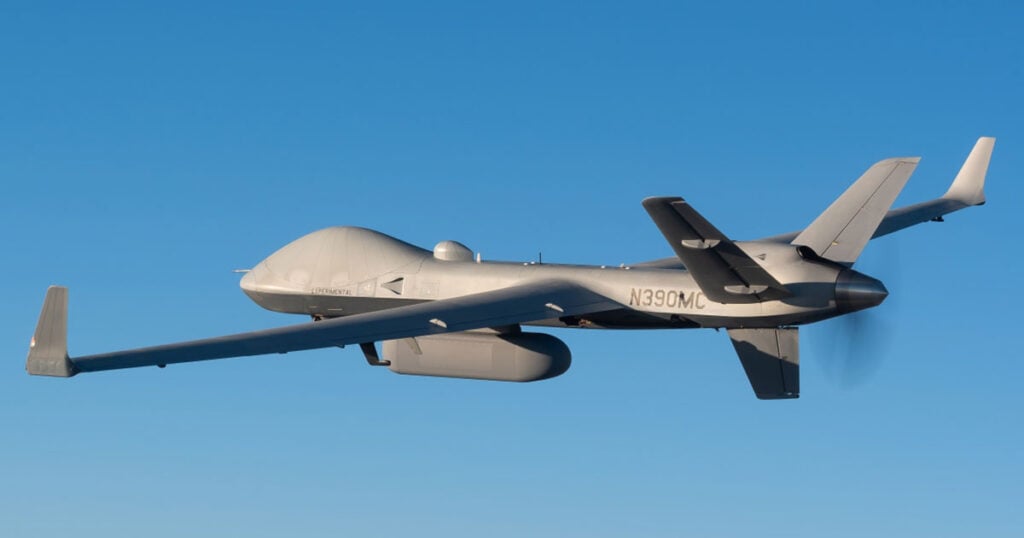
According to GA-ASI, this capability provides global coverage and connectivity that will enable pole-to-pole operations for the company’s family of RPAS – including models such as the MQ-9B SkyGuardian/SeaGuardian, Gray Eagle 25M, and the MQ-9A Reaper.

“This is truly game-changing for our platforms,” said GA-ASI President David R. Alexander. “Using LEO SATCOM not only keeps GA-ASI aircraft connected from the North Pole to the South Pole to allow operations in the most austere environments, but it will also provide resilient connectivity that allows operators to pass much more data to and from the aircraft.”

Early testing indicates LEO SATCOM significantly reduces latency and can be used in all phases of flight. For customers across the MQ-9 family of systems, LEO SATCOM should decrease operational costs, and the smaller hardware footprint will ultimately increase flexibility and reduce future payload integration costs.

The MQ-9A flight test was based out of GA-ASI’s Gray Butte Flight Operations Facility near Palmdale, Calif., and followed several weeks of ground testing.

Find suppliers of Drone Satellite Communications equipment>>

To learn more, visit the General Atomics Aeronautical Systems, Inc Partner Hub: Innovation Partner Hub
Posted by Caroline Rees Caroline co-founded Unmanned Systems Technology and has been at the forefront of the business ever since. With a Masters Degree in marketing Caroline has her finger on the pulse of all things unmanned and is committed to showcasing the very latest in unmanned technical innovation. Connect

More from General Atomics Aeronautical Systems, Inc

GA-ASI Adapts Existing Block 30 GCS to Fly MQ-9B

General Atomics Aeronautical Systems is adapting its existing Block 30 Ground Control Stations to operate newer MQ-9B aircraft, significantly reducing procurement costs for current global defense customers

Jun 29, 2026
U.S. Air Force Greenlights Production for GA-ASI FQ-42A CCA

General Atomics Aeronautical Systems (GA-ASI) secures a historic USAF production contract for the modular FQ-42A Collaborative Combat Aircraft (CCA), fast-tracking next-generation autonomous fighter capabilities directly to the warfighter

Jun 18, 2026
GA-ASI MQ-9s Relocate to Fargo During Runway Works

General Atomics Aeronautical Systems has temporarily relocated its vital MQ-9 training and testing operations to Hector International Airport, marking a milestone integration of large uncrewed aircraft into active commercial airspace

Jun 17, 2026
GA-ASI & INTEC Partner on Gambit CCA

General Atomics Aeronautical Systems and the INTEC Group have signed a Memorandum of Understanding at ILA Berlin to provide sovereign architecture, integration, and logistics support for the Gambit CCA series

Jun 12, 2026
GA-ASI Backs Dutch Innovation with Investments in Six Tech Companies

General Atomics Aeronautical Systems, Inc. expands its European footprint by investing capital and engineering resources into six Netherlands-based firms to advance next-generation aerospace & defense tech capabilities

Jun 09, 2026
GA-ASI Engineers Honored with Prestigious AIAA San Diego Awards

General Atomics Aeronautical Systems engineers and teams earned prestigious AIAA San Diego awards recognizing achievements in uncrewed aviation, aerospace management, and technical leadership during 2025

Jun 04, 2026
Advancing Unmanned Systems Through Strategic Collaboration UST works with major OEMs to foster collaboration and increase engagement with SMEs, to accelerate innovation and drive unmanned systems capabilities forward.