General Atomics Aeronautical Systems, Inc

Australian Defence Force Selects MQ-9 Reaper UAS

By Mike Ball / 14 Nov 2018
Follow UST

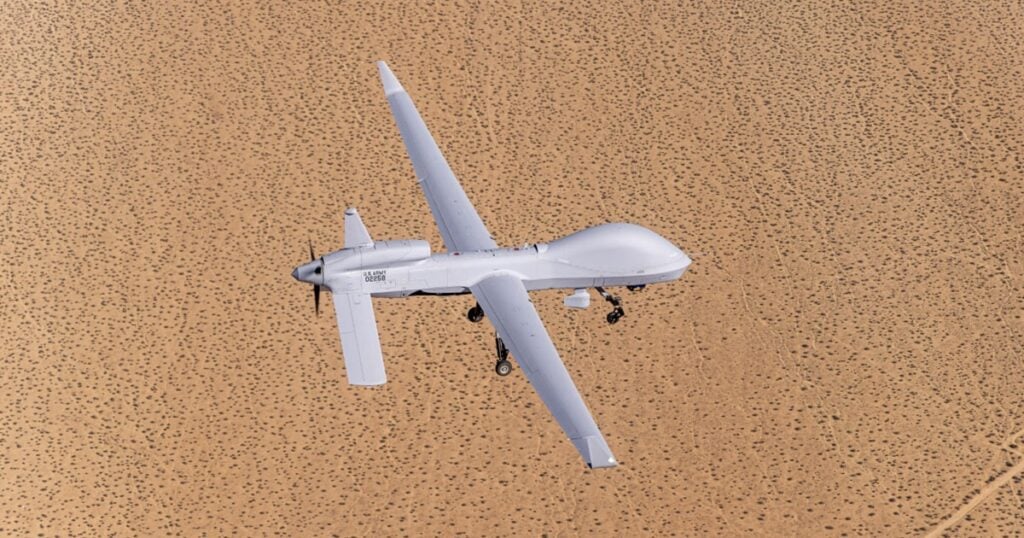
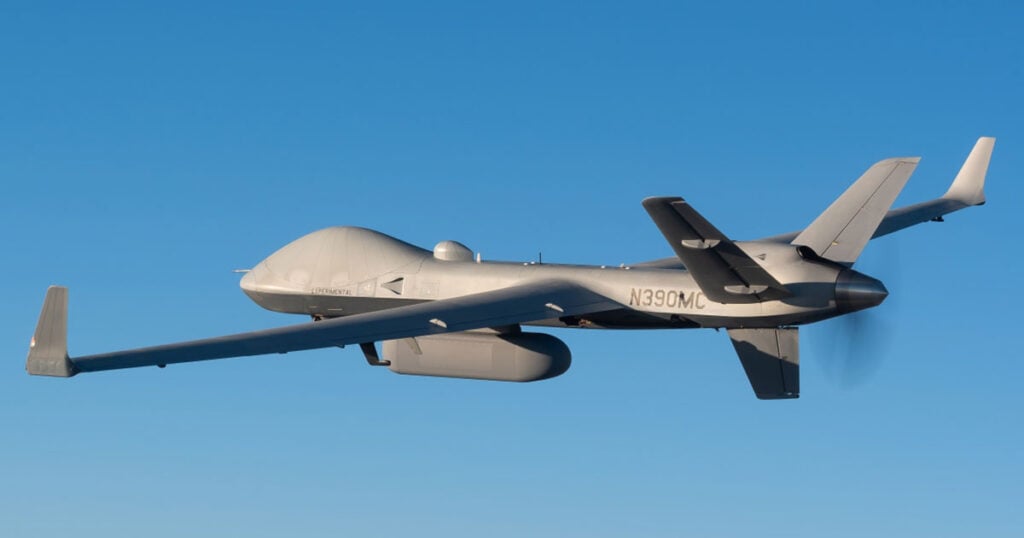
MQ-9 Reaper UAV

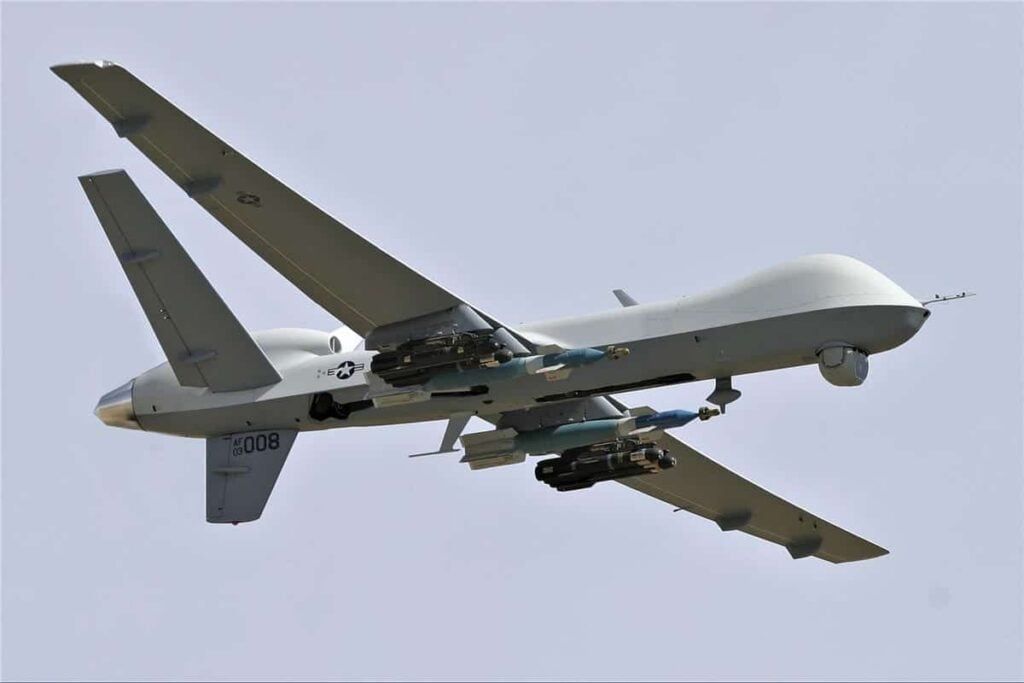
General Atomics Aeronautical Systems, Inc. (GA‑ASI) has announced that, following consideration by the Australian Government, it has been selected to provide the Armed Remotely Piloted Aircraft System (RPAS) under Project Air 7003 for the Australian Defence Force (ADF). The unmanned aircraft will be a variant of the MQ-9 Reaper.

“We look forward to providing our world-leading RPAS to meet the Air 7003 requirements,” said Linden Blue, CEO of GA-ASI. “We’ll work closely with Team Reaper Australia partners to provide a highly capable and affordable RPAS to the ADF, while creating meaningful and enduring Australian jobs.”

The ADF joins other top-tier military forces in choosing a MQ-9 variant because of its proven multi-role combat performance. The MQ-9 is part of GA-ASI’s Predator series of armed Medium-Altitude, Long-Endurance (MALE) RPAS, hailing from a family of RPAS which recently surpassed five million flight hours.

GA-ASI announced its intention to offer a MALE RPAS to the ADF during AVALON 2017 – the Australian International Aerospace and Defence Exposition – with the launch of Team Reaper Australia, a robust grouping of Australian industry partners. The team currently consists of ten Australian companies providing a range of innovative sensor, communication, manufacturing and life-cycle support capabilities that includes Cobham, CAE, Raytheon, Flight Data Systems, TAE Aerospace, Quickstep, AirSpeed, Rockwell Collins Australia, Ultra, and SentientVision.


To learn more, visit the General Atomics Aeronautical Systems, Inc Partner Hub: Innovation Partner Hub
Posted by Mike Ball Mike Ball is our resident technical editor here at Unmanned Systems Technology. Combining his passion for teaching, advanced engineering and all things unmanned, Mike keeps a watchful eye over everything related to the unmanned technical sector. With over 10 years’ experience in the unmanned field and a degree in engineering, Mike’s been heading up our technical team here for the last 8 years. Connect

More from General Atomics Aeronautical Systems, Inc

GA-ASI Adapts Existing Block 30 GCS to Fly MQ-9B

General Atomics Aeronautical Systems is adapting its existing Block 30 Ground Control Stations to operate newer MQ-9B aircraft, significantly reducing procurement costs for current global defense customers

Jun 29, 2026
U.S. Air Force Greenlights Production for GA-ASI FQ-42A CCA

General Atomics Aeronautical Systems (GA-ASI) secures a historic USAF production contract for the modular FQ-42A Collaborative Combat Aircraft (CCA), fast-tracking next-generation autonomous fighter capabilities directly to the warfighter

Jun 18, 2026
GA-ASI MQ-9s Relocate to Fargo During Runway Works

General Atomics Aeronautical Systems has temporarily relocated its vital MQ-9 training and testing operations to Hector International Airport, marking a milestone integration of large uncrewed aircraft into active commercial airspace

Jun 17, 2026
GA-ASI & INTEC Partner on Gambit CCA

General Atomics Aeronautical Systems and the INTEC Group have signed a Memorandum of Understanding at ILA Berlin to provide sovereign architecture, integration, and logistics support for the Gambit CCA series

Jun 12, 2026
GA-ASI Backs Dutch Innovation with Investments in Six Tech Companies

General Atomics Aeronautical Systems, Inc. expands its European footprint by investing capital and engineering resources into six Netherlands-based firms to advance next-generation aerospace & defense tech capabilities

Jun 09, 2026
GA-ASI Engineers Honored with Prestigious AIAA San Diego Awards

General Atomics Aeronautical Systems engineers and teams earned prestigious AIAA San Diego awards recognizing achievements in uncrewed aviation, aerospace management, and technical leadership during 2025

Jun 04, 2026
Advancing Unmanned Systems Through Strategic Collaboration UST works with major OEMs to foster collaboration and increase engagement with SMEs, to accelerate innovation and drive unmanned systems capabilities forward.