General Atomics Aeronautical Systems, Inc

US Air Force Reaper UAS Performs First Automated Landing

By Mike Ball / 17 Sep 2018
Follow UST

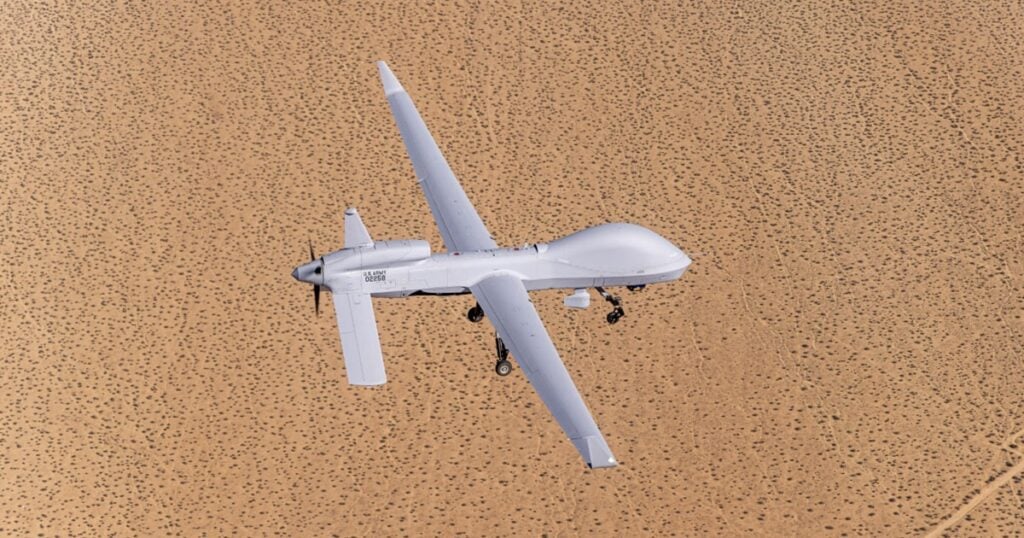
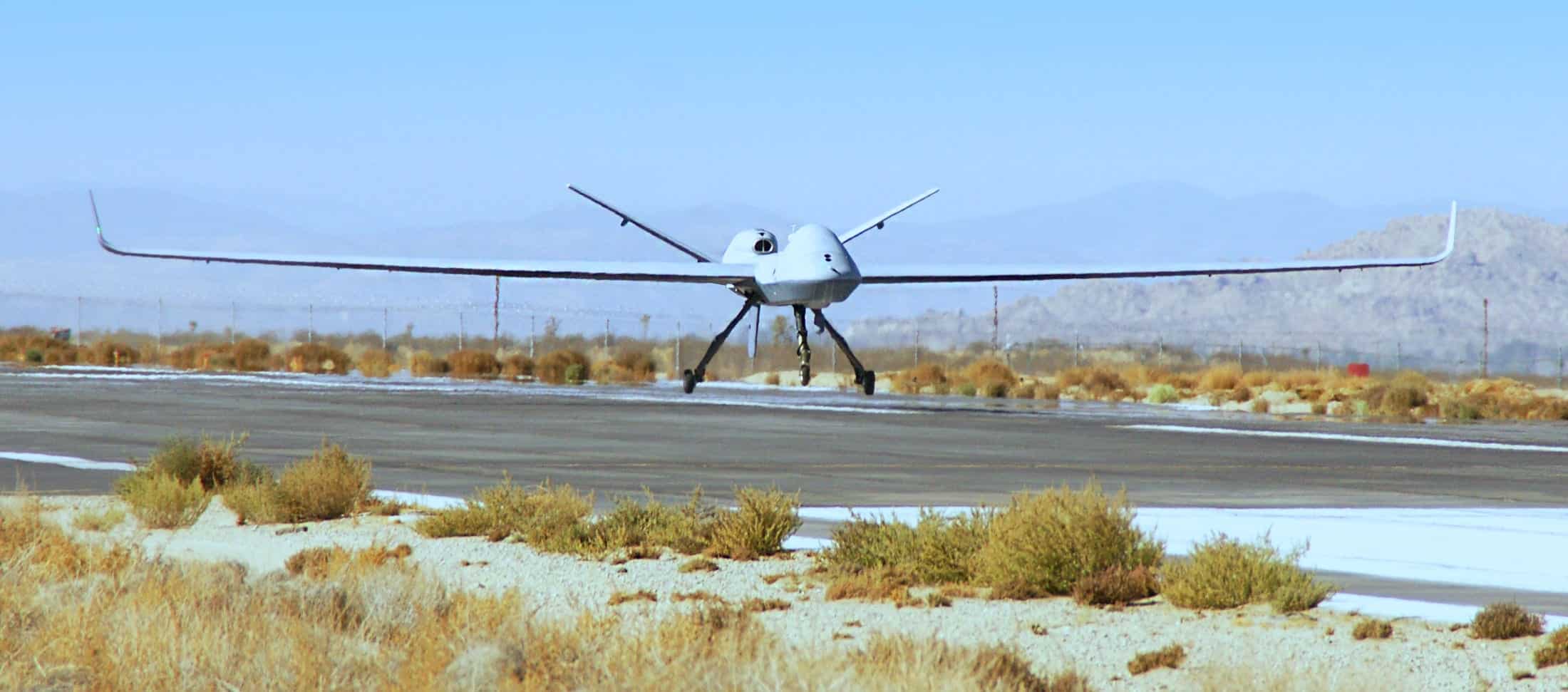
MQ-9 Reaper UAS automated landing

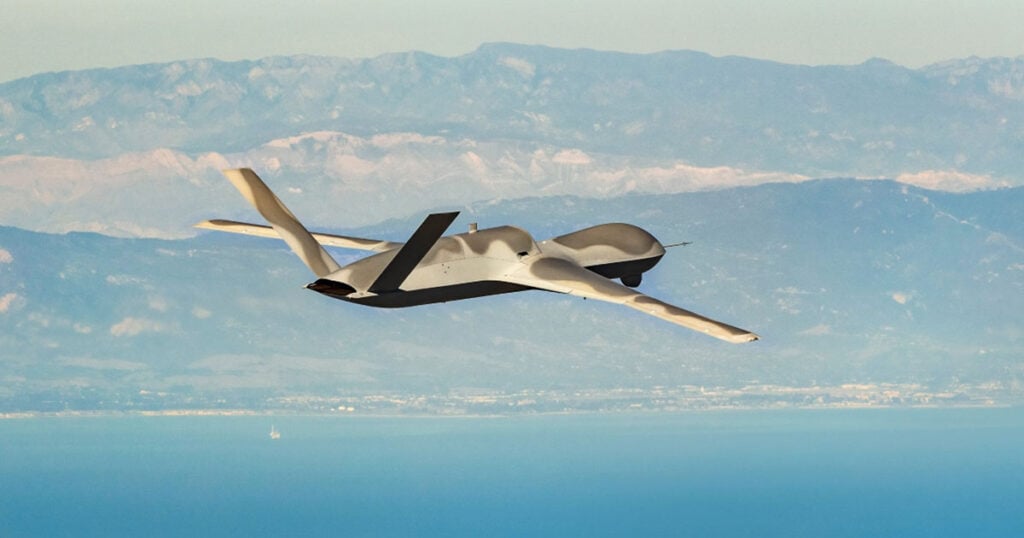
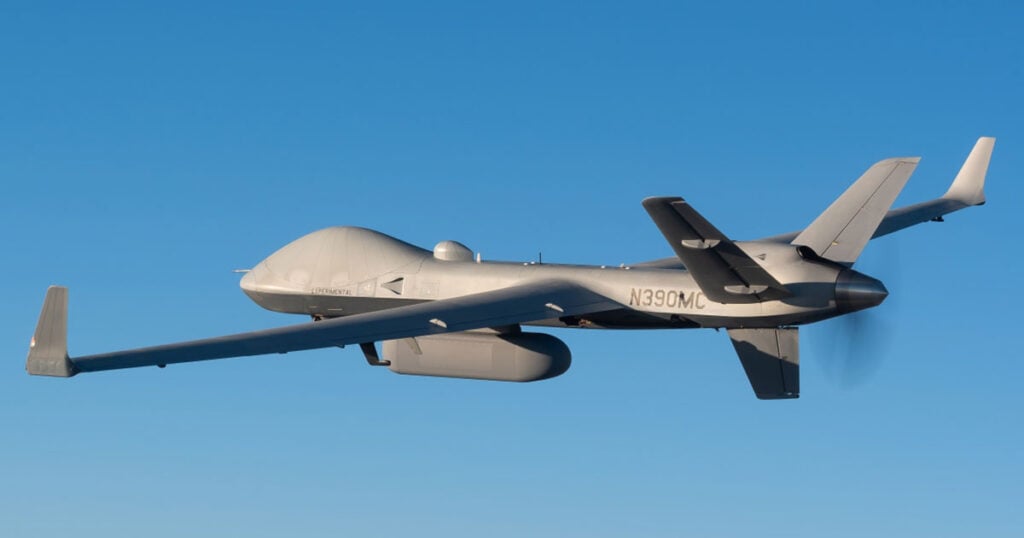
General Atomics Aeronautical Systems, Inc. (GA-ASI) has announced that the U.S. Air Force (USAF) has completed the first-ever automated landing of an MQ-9 Block 5 Remotely Piloted Aircraft (RPA), followed by the first auto-takeoff. The new Automatic Takeoff and Landing Capability (ATLC) was developed by GA-ASI to enhance mission capability.

“This new, all-weather capability greatly increases the autonomy, flexibility, combat effectiveness and safety of the MQ-9 Reaper for the USAF,” said David R. Alexander, president, Aircraft Systems, GA-ASI. “Adding this level of automation will reduce the deployment burden of the warfighter and expand the scope of missions that can be flown by Air Force MQ-9s.”

By automating the takeoff and landing of the RPA, ATLC helps to increase the safety and efficiency of the air crews. The auto launch and recovery during these critical phases of RPA flight also enlarges the operational envelope for cross wind operations. The ATLC development program remains on track for fielding in the fall of 2019.


To learn more, visit the General Atomics Aeronautical Systems, Inc Partner Hub: Innovation Partner Hub
Posted by Mike Ball Mike Ball is our resident technical editor here at Unmanned Systems Technology. Combining his passion for teaching, advanced engineering and all things unmanned, Mike keeps a watchful eye over everything related to the unmanned technical sector. With over 10 years’ experience in the unmanned field and a degree in engineering, Mike’s been heading up our technical team here for the last 8 years. Connect

More from General Atomics Aeronautical Systems, Inc

GA-ASI Partners with Belgian Defense Leaders on MQ-9B ISR Technology

GA-ASI, Thales, Octave, and dotOcean sign a landmark MoU to integrate advanced C4ISR software, geospatial visualization, and AI sensor processing into MQ-9B SkyGuardian and SeaGuardian platforms for European defense operations

Jul 30, 2026
GA-ASI Enters Partnership to Integrate SPEAR Missiles on MQ-9B & Gambit 6

General Atomics Aeronautical Systems and MBDA have committed to integrate SPEAR precision strike missiles onto the MQ-9B and Gambit 6 uncrewed aircraft to deliver advanced long range combat capabilities worldwide

Jul 28, 2026
GA-ASI Progresses Joint Strike Missile Integration for MQ-9B UAS

General Atomics Aeronautical Systems and KONGSBERG are advancing the integration of the Joint Strike Missile with the MQ-9B, completing key design reviews as part of a jointly funded effort to add long-range strike capability to the uncrewed platform

Jul 24, 2026
GA-ASI Completes Weapons Qualification Testing for RAF Protector

General Atomics Aeronautical Systems has concluded weapons qualification testing for the Royal Air Force’s Protector RG Mk1, qualifying Paveway IV and Brimstone 3 following six years of US-UK governmental and industry collaboration

Jul 22, 2026
GA-ASI Showcases Full-Scale CCA Model at Farnborough

General Atomics Aeronautical Systems is exhibiting a full-scale Collaborative Combat Aircraft model at Farnborough International Airshow following its FQ-42A production contract and increased CCA production capacity

Jul 20, 2026
A Decade of UAS Innovation at GA-ASI Flight Test & Training Center

General Atomics Aeronautical Systems marks 10 years of operations at its North Dakota facility, celebrating historic uncrewed aviation milestones and training over 4,000 pilots and operators

Jul 20, 2026
Advancing Unmanned Systems Through Strategic Collaboration UST works with major OEMs to foster collaboration and increase engagement with SMEs, to accelerate innovation and drive unmanned systems capabilities forward.