
Understanding the Temperature Limits of Parylene Coatings

HZO explains how the type of Parylene and its environmental exposure determine its temperature limitations and performance under heat Parylene Coating / Feature Article by HZO

Parylene Coating

Discover cutting-edge solutions from leading global suppliers
SUPPLIER SPOTLIGHT
Understanding the Temperature Limits of Parylene Coatings
Follow UST

HZO explores how the temperature limitations of Parylene coatings depend mainly on two factors: the type of Parylene used and the environment in which it is applied.

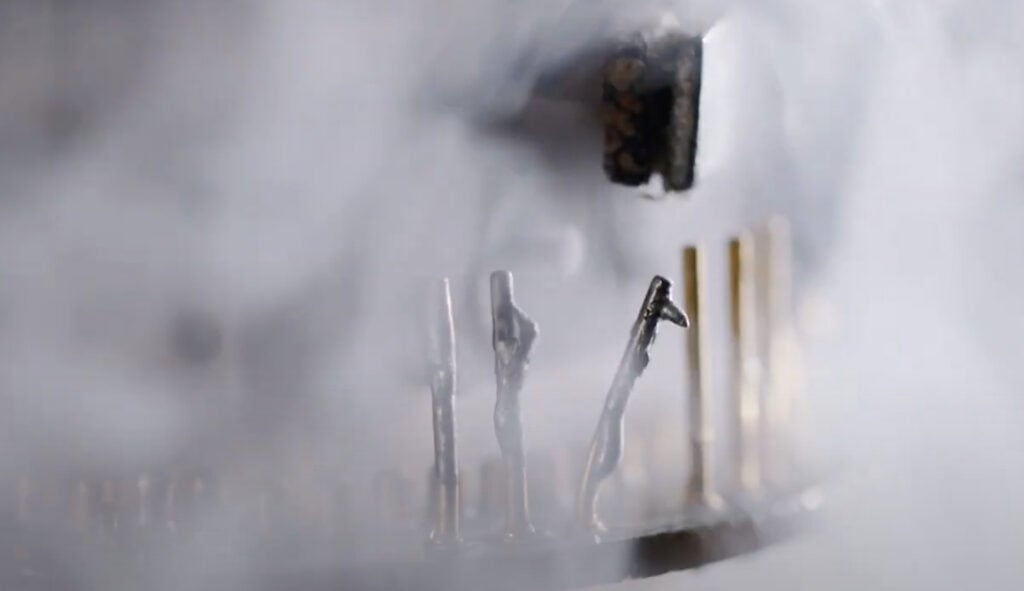
In an oxidizing environment, such as exposure to air, Parylene will become brittle and crack when heated.

Parylene N becomes brittle and cracks at around 70–80°C under Earth’s atmosphere. Parylene C has better thermal resistance, with brittleness and cracking occurring around 120–125°C. Parylene F, also known as Parylene VT4, withstands temperatures at or greater than 250°C before becoming brittle.

When Parylene is used in an inert environment, such as under argon or nitrogen, it can tolerate much higher temperatures. In these conditions, service temperatures greater than 200°C are achievable for all types of Parylene.


Posted by Summer James Summer is an Editor & Copywriter at Unmanned Systems Technology. She joined in 2025, following a background in Creative Writing and English Literature, and has a strong interest in UAVs as well as imaging and vision systems. Her work centers on making complex technical advances in unmanned systems accessible to a broad audience. Connect
Advancing Unmanned Systems Through Strategic Collaboration UST works with major OEMs to foster collaboration and increase engagement with SMEs, to accelerate innovation and drive unmanned systems capabilities forward.