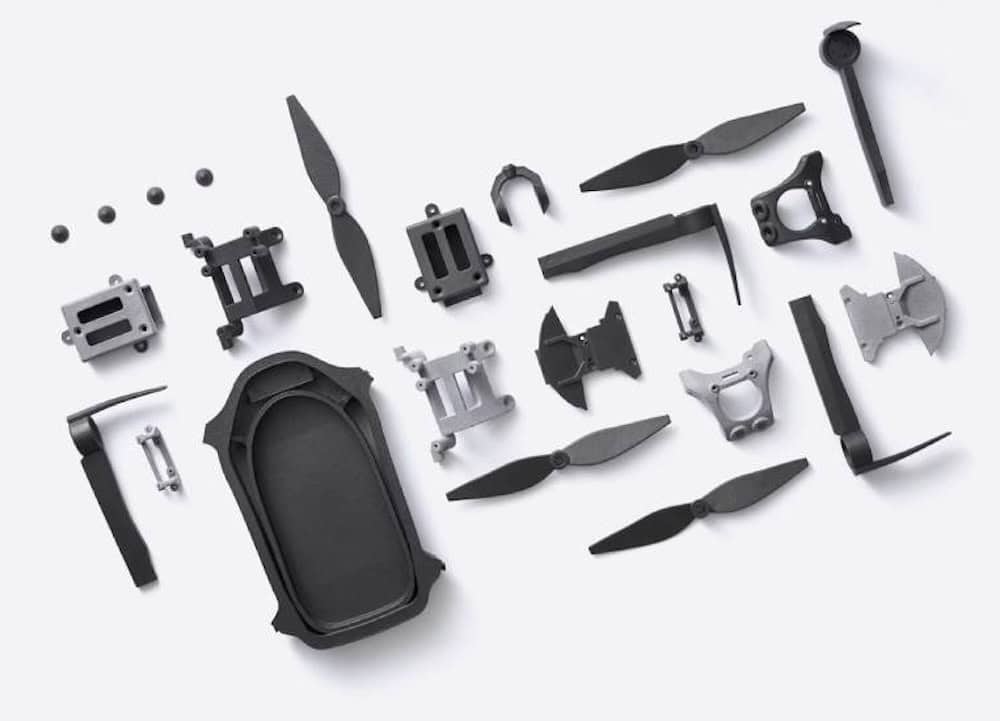
Shapeways explores how rapid prototyping can help accelerate Unmanned Aerial Vehicle (UAV) development as unmanned aircraft take on increasingly important roles across agriculture, infrastructure inspection, mapping, logistics, and defense. Read more >>
As these applications expand, engineering teams face growing pressure to shorten development cycles while maintaining performance, reliability, and efficiency. UAV rapid prototyping enables designers to create, test, and refine individual drone components or complete systems directly from digital designs, avoiding lengthy manufacturing lead times and costly tooling. This approach supports rapid evaluation of airframe geometry, payload integration, structural strength, and flight stability, while enabling teams to test new sensors, integrate payloads, and optimize performance within shorter development cycles.
Lightweight Design & Rapid Iteration
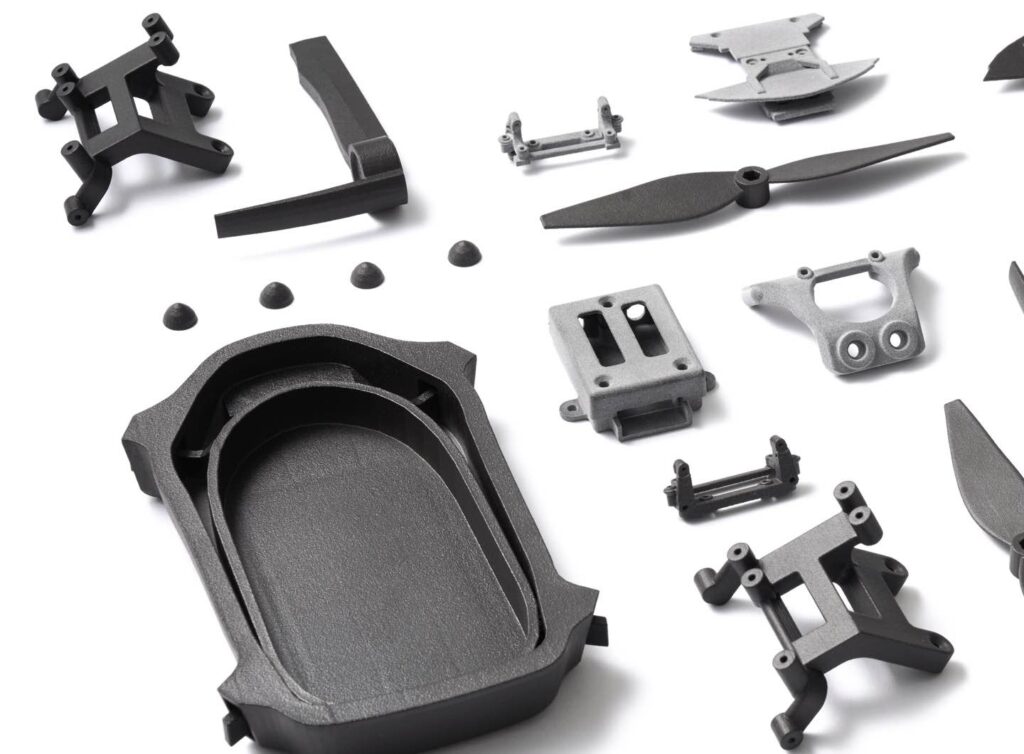
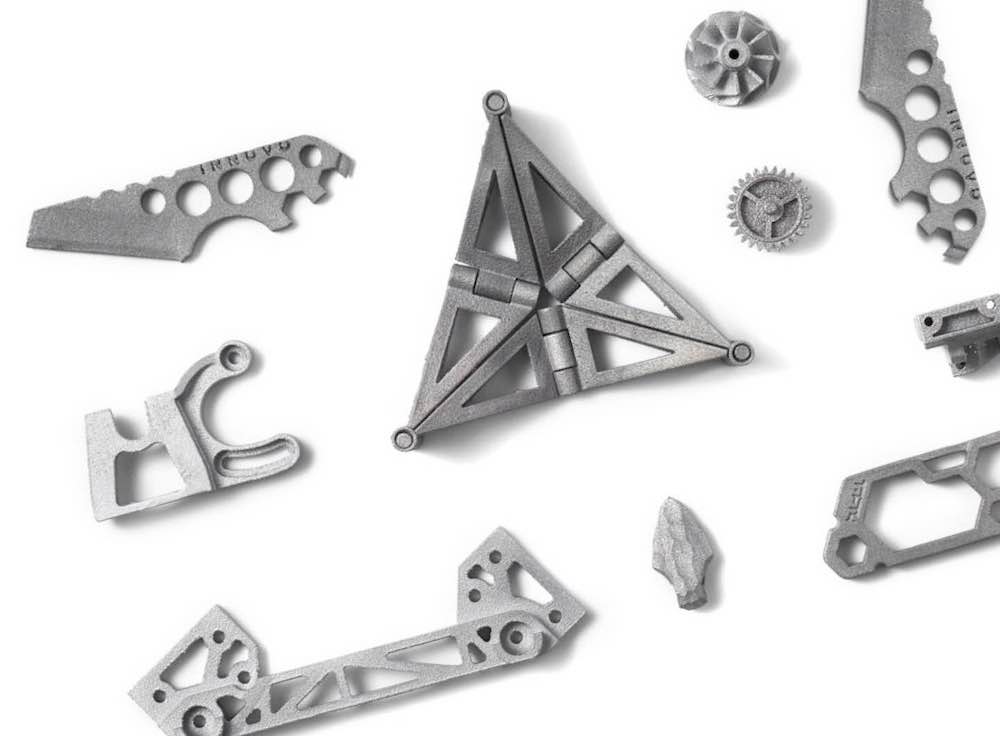
Additive manufacturing plays a central role in this process by producing components layer by layer from digital designs. Engineering-grade plastics such as nylon and metals including aluminum can be selected according to specific performance requirements. For UAV applications, the process supports complex geometries that may be impossible or costly to produce using conventional techniques.
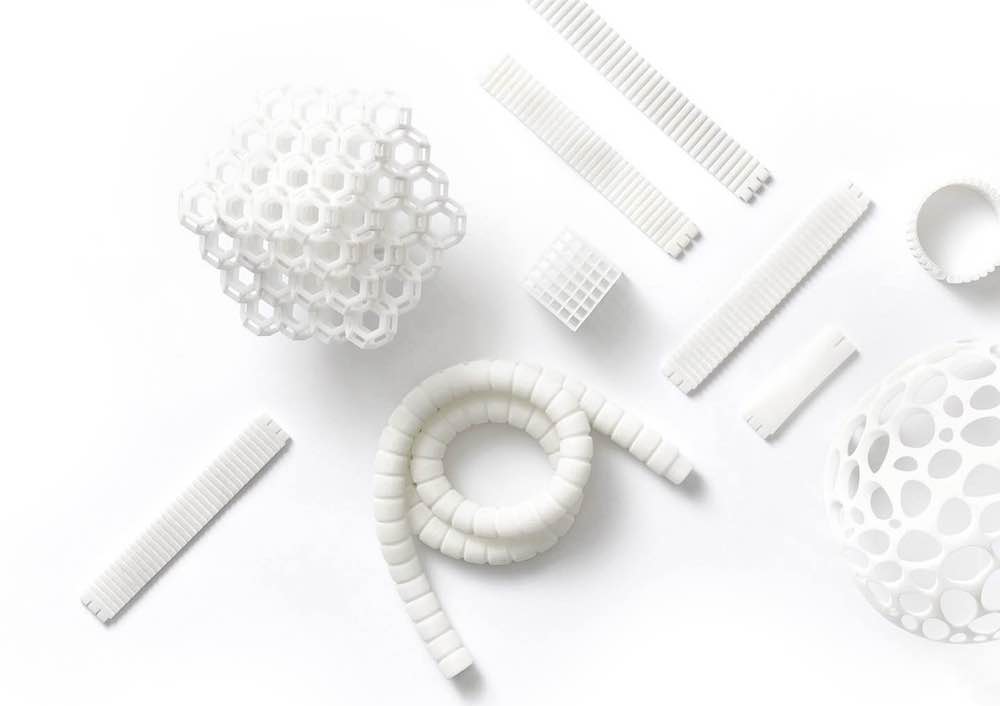
Lightweight structures incorporating internal lattice patterns can reduce mass while retaining strength, while cable channels, airflow ducts, and mounting interfaces can be incorporated directly into individual components. Topology optimization, thin-walled designs, and complex internal supports also allow engineering teams to balance strength and weight efficiently, helping improve endurance, payload capacity, and maneuverability while reducing material waste and lowering manufacturing costs.
From Flight Testing to Production
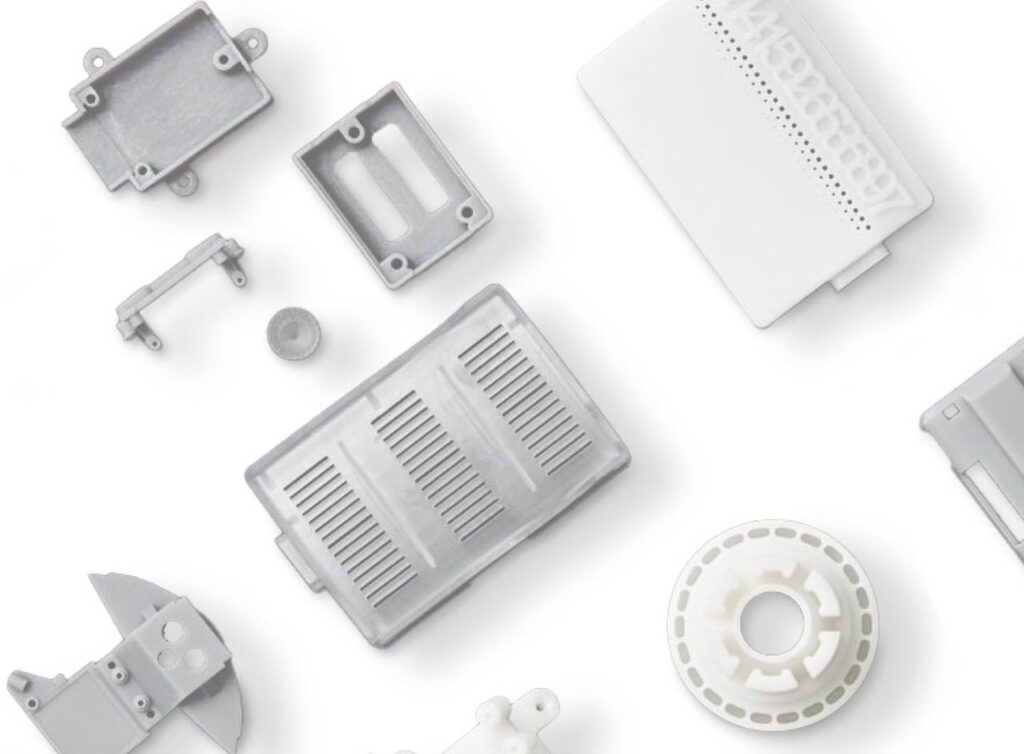
Rapid prototyping also allows UAV components to be refined through real-world flight testing. Parts such as landing gear, propeller guards, and sensor housings can be evaluated during flight testing, after which engineers can adjust geometry, redistribute material, and manufacture revised versions within a short time frame. This iterative process supports experimentation and innovation during development and can help reduce costly redesigns later in the product lifecycle.
For UAVs produced in low volumes or for specialized applications, the same digital manufacturing approach can support the transition from development to production by enabling on-demand manufacturing of flight-ready components without expensive molds or tooling.
Shapeways provides additive manufacturing services for producing UAV components with precision, speed, and flexibility. Digital designs developed during testing can be manufactured on demand, supporting distributed production, spare-part availability, and lower upfront costs for startups and research teams.
As UAV systems become more complex through developments in autonomous navigation, AI-driven flight systems, advanced batteries, and multi-sensor payloads, combining digital design, simulation tools, and additive manufacturing can help engineers address these development challenges efficiently. Applications can range from lightweight structural components to custom sensor mounts, supporting faster progression from digital designs to real-world testing.
Read ‘UAV Rapid Prototyping: Accelerating Drone Innovation’ for more information.