

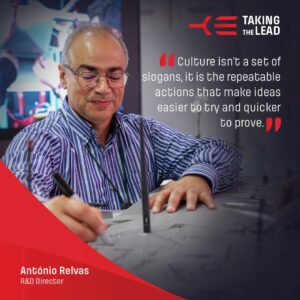
In this article, TEKEVER’s R&D Director, António Relvas, explains how frontline feedback, modular design, and rapid prototyping drive continuous innovation across the company’s AR-series UAS platforms.
 The company has created an environment where insights from frontline operators rapidly become fielded capabilities through modular design and close collaboration between operators and engineers. At every TEKEVER site, staff are encouraged to contribute ideas, for example, by using QR code posters in workshops to submit feedback quickly. These suggestions are reviewed within days, with the best moving rapidly into prototyping. This process signals that frontline experience is valued and helps technicians and operators shape the technology.
Mission teams fly for thousands of hours each year before sitting down with engineering teams in the same week, allowing lessons learned in the field to immediately influence the next product update. This direct feedback loop is cited as a reason the AR3 platform has seen over a hundred incremental improvements, many of which were inspired by frontline feedback from theaters such as Ukraine.
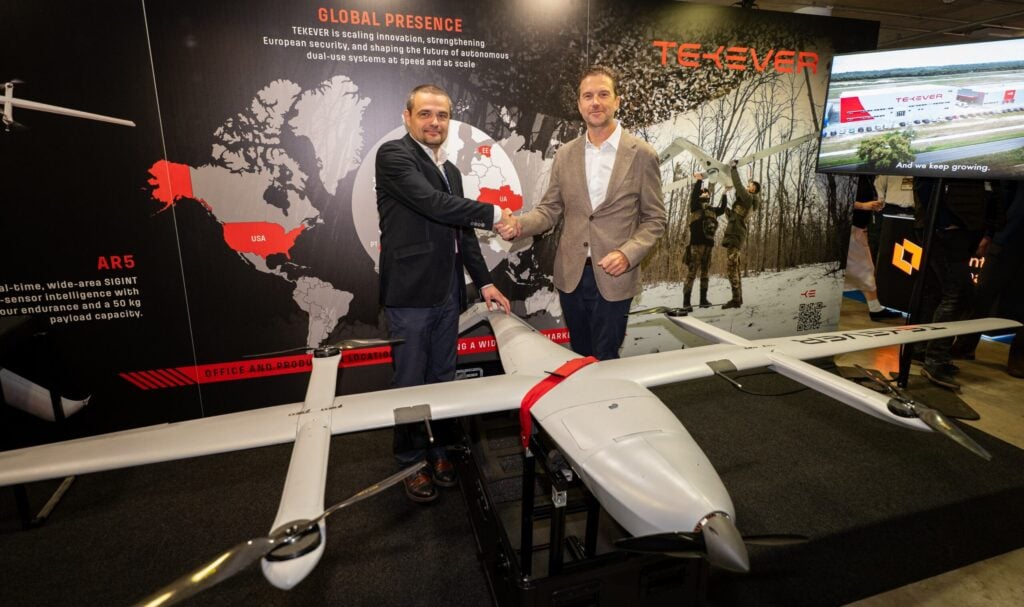
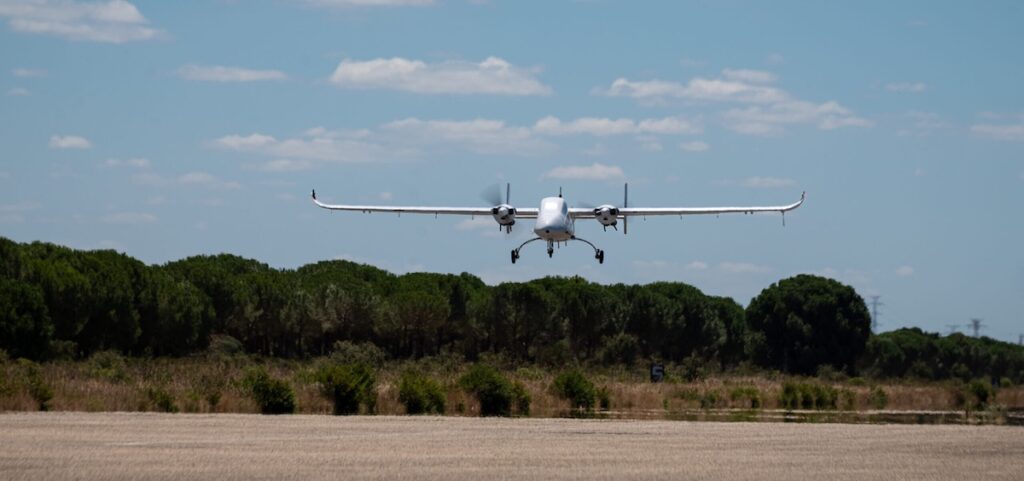
TEKEVER’s systems are designed from the start to be adaptable. The AR-series Unmanned Aerial Systems (UAS) utilize interchangeable layers for propulsion, payload, communications, and autonomy. This approach facilitates fast and cost-effective upgrades by avoiding the need for a complete redesign. The AR3 EVO platform exemplifies this by adding Vertical Take-Off and Landing (VTOL) capability to a fixed-wing endurance system, giving customers flexibility in deployment.
The company handles much of its value chain internally, which allows it to move quickly and maintain accountability, while still partnering externally where specialized expertise is beneficial. This integrated yet open model has enabled the rapid integration and field-proving of new payloads, such as electronic warfare packages on the AR3 and advanced radar on the AR5.
To maintain durable innovation, TEKEVER employs simple metrics: the time from an idea’s conception to the first test, the number of improvements originating from operator feedback, and the tangible benefits realized by customers in the field.
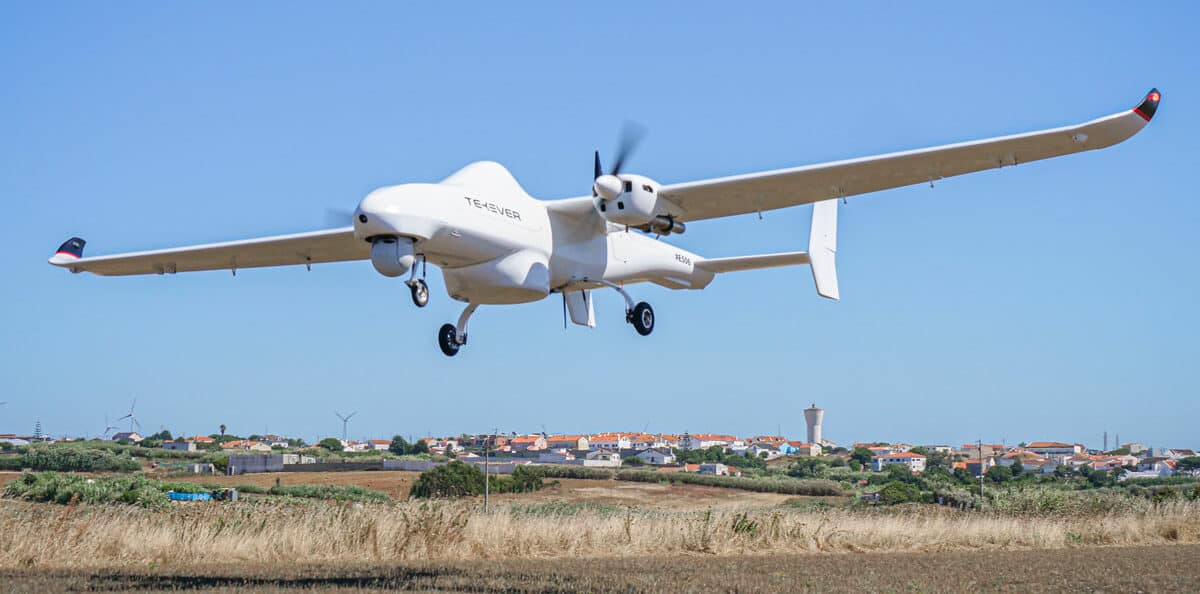
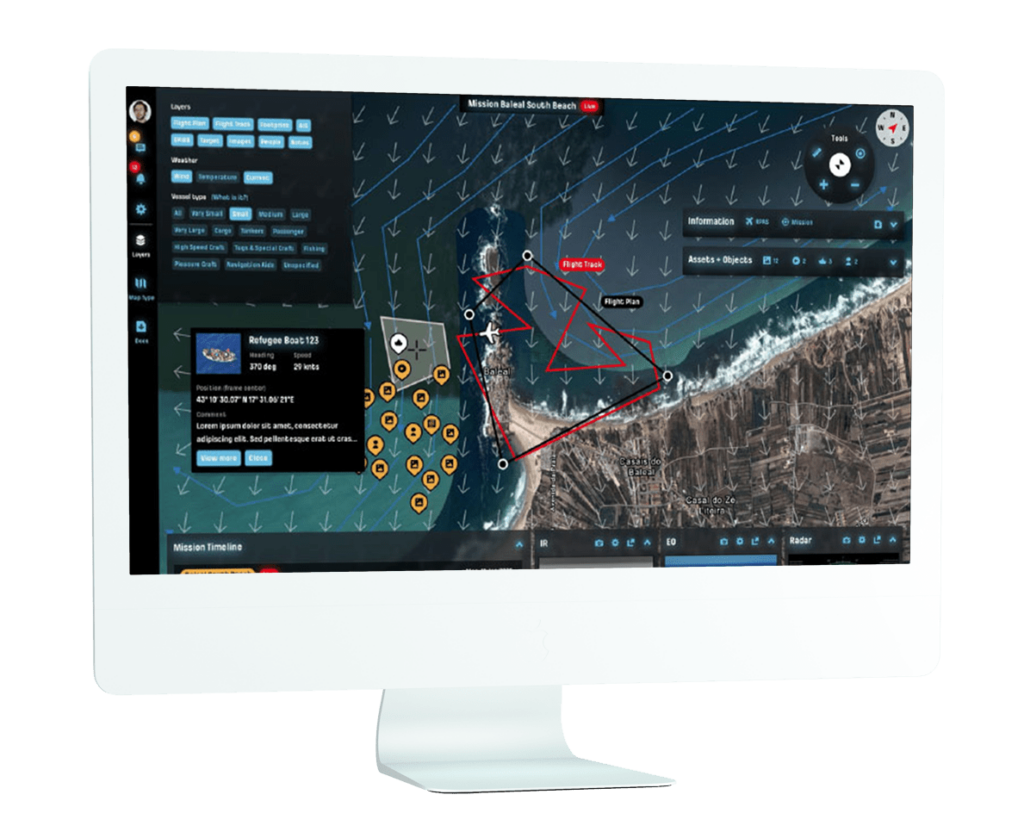
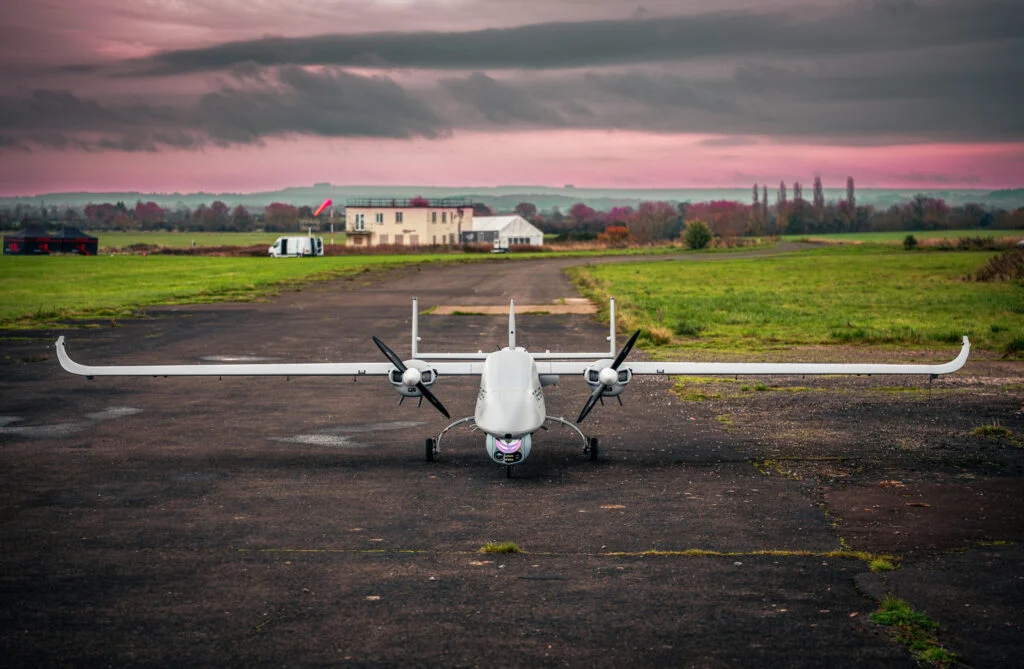
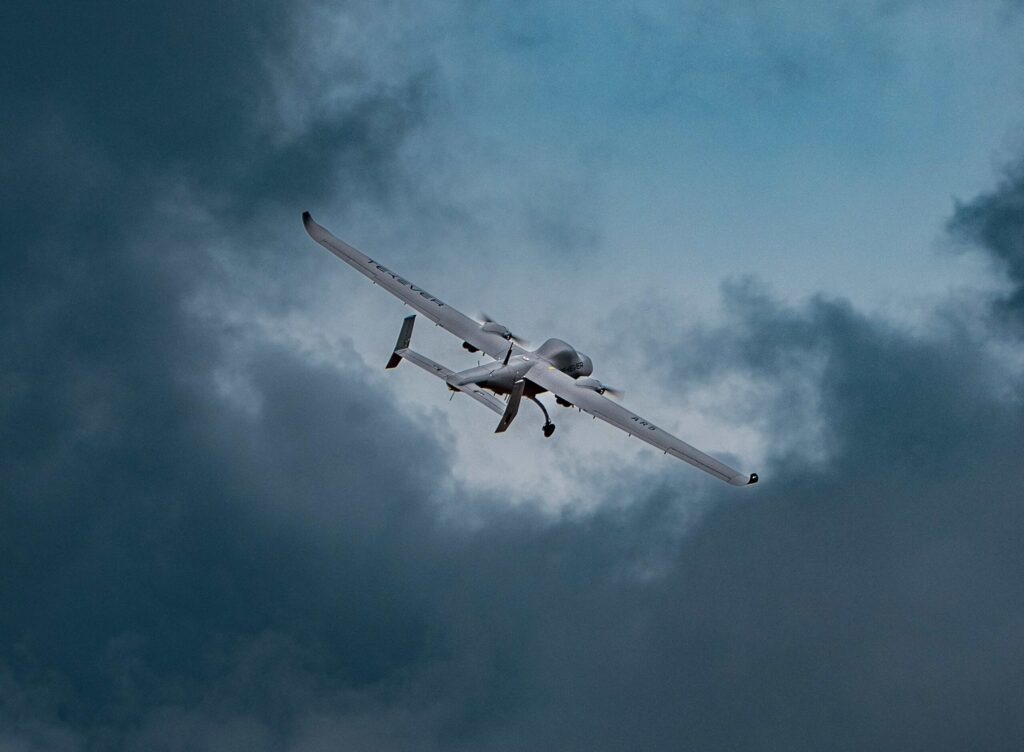
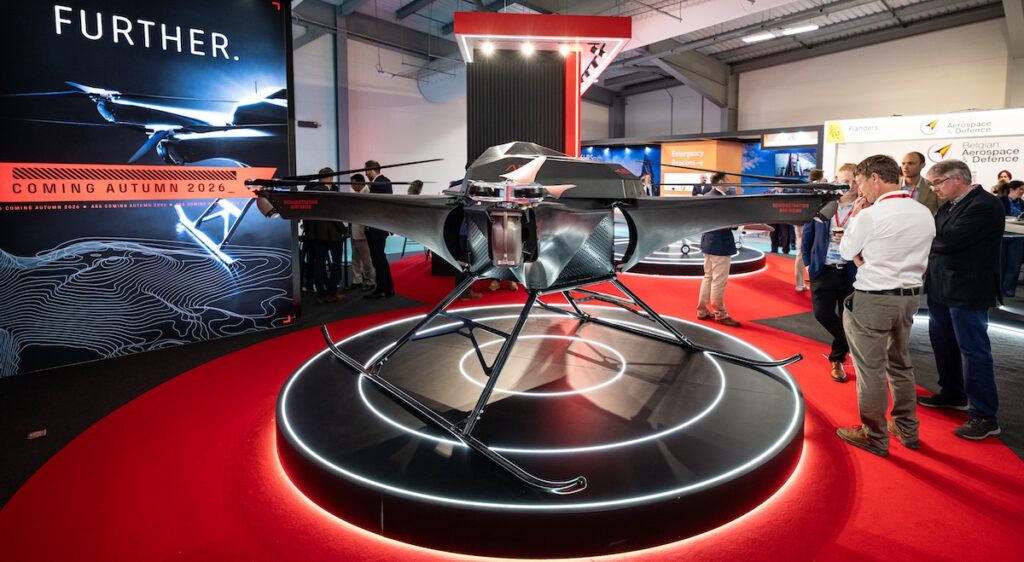
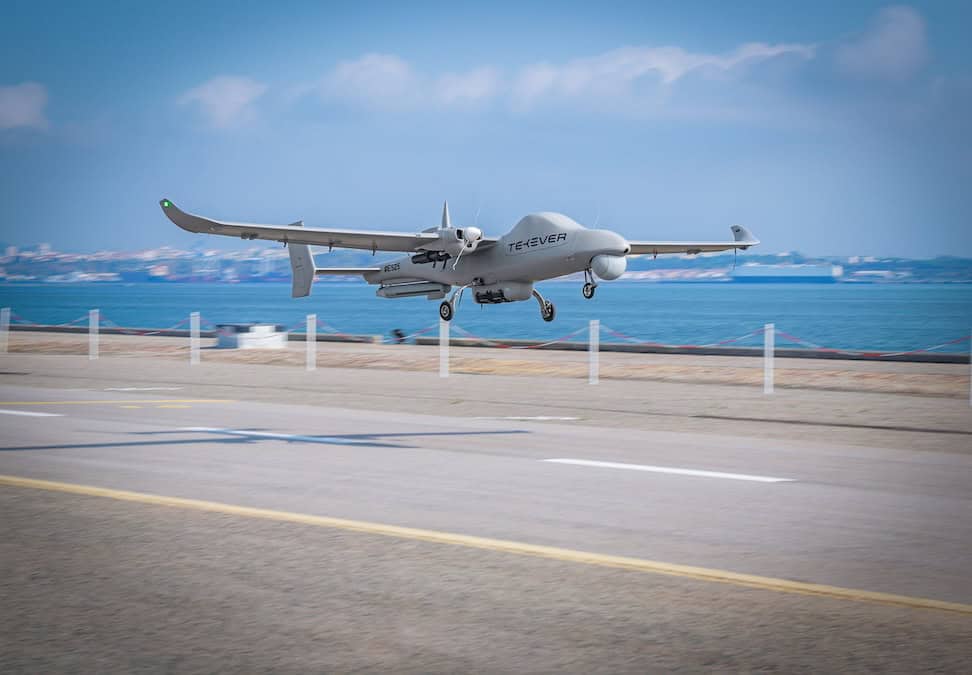
TEKEVER’s portfolio includes the AR3 and AR3 EVO, which are configurable for endurance or VTOL operations and have been refined through continuous evolution; the AR5, a twin-engine system used for long-endurance maritime and border missions that integrates payloads like radar, SIGINT, and SAR; and Digital and Space teams which share methods across domains, including GAMASAR radar imaging. The newest system in development is the ARX, designed to coordinate multiple drones from a single platform.