


Battery Management Systems
Discover cutting-edge solutions from 11 leading global suppliers
Selecting the right battery solution is critical for performance, reliability, and long-term efficiency. For KT Technical (KTTS.us) client ALE (American Lithium Energy), a leader in high-performance lithium-based battery technology, evaluating batteries requires careful consideration of multiple factors, including safety, energy density, lifecycle, and cost-effectiveness.
The following key considerations can guide businesses in selecting optimal battery solutions for industrial, commercial, and defense applications.
1. Energy Density and Performance
Energy density, the amount of energy a battery can store per unit of volume or weight, is a primary consideration. Higher energy density enables longer runtimes without significantly increasing weight or size, which is crucial for applications ranging from electric vehicles to aerospace systems.
- Lithium-ion (Li-ion) batteries provide high energy density, offering extended runtimes in compact form factors.
- Solid-state batteries are emerging as a next-generation alternative, delivering even higher energy density with enhanced safety.
- For defense, aerospace, and electric mobility, high energy density ensures operational efficiency and extended mission durations.
2. Battery Safety and Reliability
Safety is non-negotiable, particularly in high-risk environments like military and aerospace applications. The best battery solutions integrate multiple safeguards to prevent overheating, short circuits, and thermal runaway.
- Advanced thermal management: Heat dissipation technologies maintain safe operating temperatures.
- Built-in protection circuits: Overcharge, over-discharge, and short-circuit protections extend battery life.
- Non-flammable electrolytes: Solid-state and gel-based Li-ion batteries reduce fire risk compared to traditional liquid electrolytes.
- Look for batteries that meet strict standards, including UL 1642, IEC 62133, and UN38.3 certification.
3. Battery Longevity and Charge Cycles
Long battery life minimizes maintenance, replacement costs, and operational downtime. The most reliable solutions retain high capacity over thousands of charge cycles.
- LiFePO4 (Lithium Iron Phosphate) batteries are renowned for extended cycle life and durability.
- Graphene-enhanced batteries offer improved longevity by reducing degradation over repeated cycles.
- Longer cycle life translates to a lower total cost of ownership (TCO), making batteries more sustainable and cost-effective.
4. Fast Charging Capabilities
In industries where downtime directly impacts productivity, fast-charging solutions are essential. Advanced battery technologies provide rapid charging without sacrificing safety or lifecycle.
- High C-rate Li-ion batteries support rapid charging while maintaining stable performance.
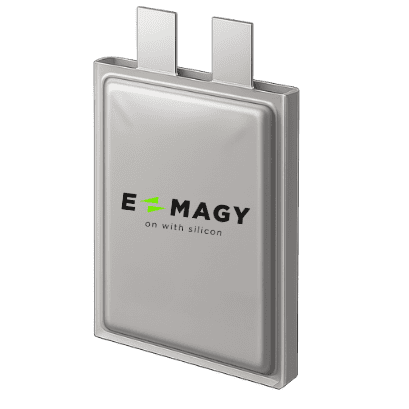
- Silicon-anode batteries are emerging to increase charging speed without reducing cycle life.
- Supercapacitor-hybrid systems can deliver near-instant charging, advantageous for military and emergency response operations.
5. Environmental Impact and Sustainability
Sustainable battery solutions are increasingly important due to regulatory requirements and environmental considerations.
- Recyclable materials: Technologies like LiFePO4 offer superior recyclability compared to lead-acid batteries.
- Low-impact manufacturing: Look for suppliers employing non-toxic materials and sustainable production practices.
- Second-life applications: Reusing batteries in energy storage after primary use extends their lifecycle and reduces waste.
6. Operational Temperature Range
Battery performance can be significantly affected by extreme temperatures. Reliable solutions must operate efficiently in harsh climates.
- Wide operational range: Batteries designed for -40°C to 60°C perform reliably in extreme conditions.
- Nano-coating and thermal regulation: Technologies help mitigate temperature-related degradation.
- Temperature resilience is critical for defense, aerospace, and electric mobility applications.
7. Scalability and Customization
Different applications require tailored solutions. Flexible battery designs allow businesses to scale capacity and optimize performance.
- Modular battery packs enable easy scalability for growing energy demands.
- Custom chemistries can be designed for specific energy requirements.
- Smart Battery Management Systems (BMS) provide real-time monitoring and optimization of battery performance.
8. Cost-Effectiveness and ROI
Evaluating cost involves more than the upfront price. Total cost of ownership (TCO) includes efficiency, maintenance, and replacement considerations.
- Compare cost per kilowatt-hour (kWh) over the battery’s lifespan.
- Factor in maintenance and replacement costs to reduce operational downtime.
- High-efficiency batteries with lower long-term costs often provide the best ROI despite a higher initial investment.
9. Regulatory Compliance and Industry Certifications
Compliance ensures safety, reliability, and environmental responsibility. Batteries should meet global standards.
- ISO 9001 & ISO 14001 for quality and environmental management.
- RoHS & REACH for environmental compliance.
- DOT, UN, and FAA certifications for safe transportation and deployment.
- Partnering with compliant suppliers ensures smooth integration into industry-specific applications.
10. Future-Proofing with Emerging Technologies
Rapid advances in battery technology make future-proofing essential. Investing in next-generation batteries can provide long-term competitive advantages.
- Solid-state batteries: Higher energy density and improved safety.
- Lithium-sulfur batteries: Superior energy storage potential.
- Graphene-enhanced and silicon-anode batteries: Increased efficiency and performance.
- Future-proof solutions help businesses remain competitive as technology evolves.
Conclusion
Selecting the best battery solution requires careful evaluation of energy density, safety, longevity, cost-effectiveness, and environmental impact. For KTTechnical client ALE , prioritizing high-performance, reliable, and sustainable battery technologies ensures optimal efficiency across industrial, defense, and commercial applications. By considering these factors, businesses can make informed investments that deliver superior long-term value and operational resilience.
Visit the KT Technical website to find out more.